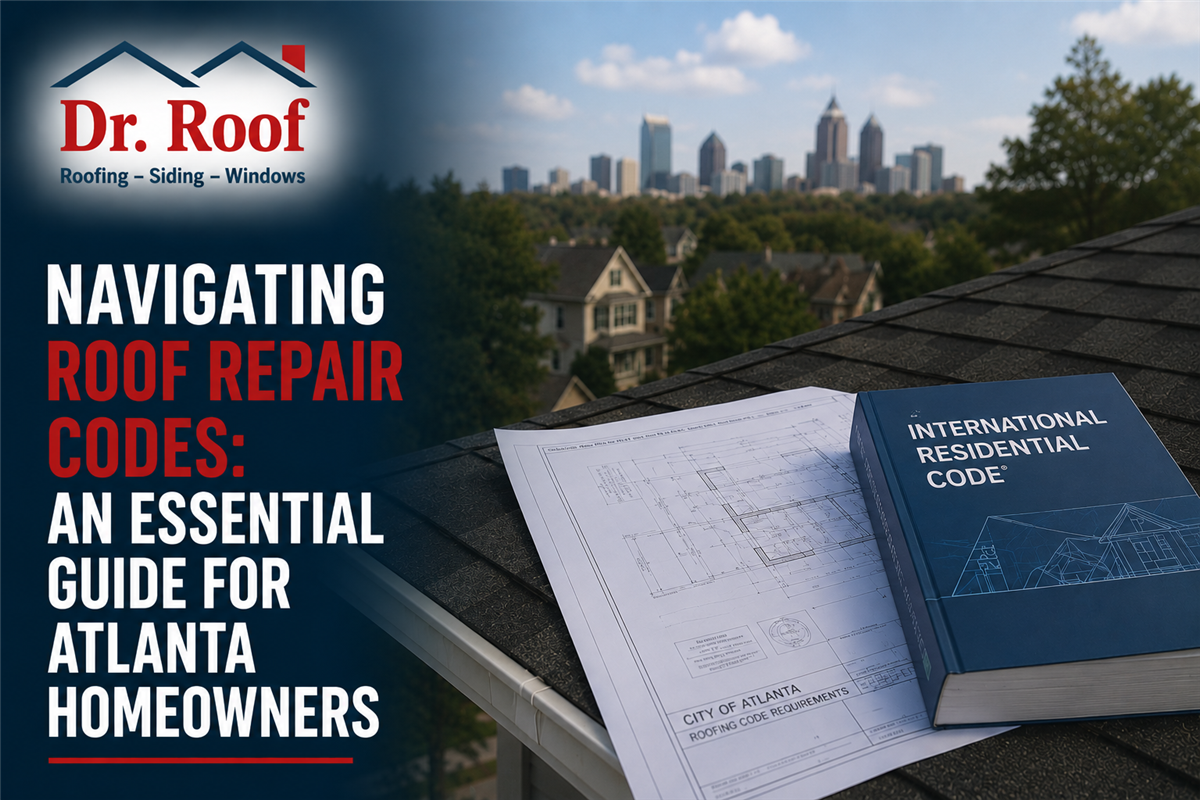
This guide offers Atlanta homeowners critical insights into roof repair codes and regulations, explaining their importance for safety, durability, and insurance claims. It’s for anyone seeking to navigate roofing compliance and ensure their home improvement project meets professional standards, highlighting Dr. Roof’s expertise and customer-focused approach.
The Overlooked Challenge of Roof Repair Codes
For many Atlanta homeowners, a damaged roof prompts immediate concern about leaks or aesthetics. However, an often-overlooked yet critically important aspect of any effective roof repair is understanding and adhering to relevant roof repair codes and regulations.
These codes are not merely bureaucratic hurdles. They form the backbone of your home's safety, structural integrity, and long-term protection, especially in an area prone to severe weather challenges.
Ignoring these essential codes can lead to significant problems, ranging from unsafe installations to voided warranties and rejected insurance claims. It can also result in costly rework if an inspector flags non-compliant work.
Every homeowner undertaking a roofing project, whether minor or extensive, needs to be aware of the framework governing these essential repairs. This awareness ensures your investment is sound and your family remains secure under a compliant roof.
The Critical Impact of Code Compliance
The landscape of building codes can vary significantly, even within the Atlanta metropolitan area. Regulations often differ slightly from county to county or municipality to municipality.
The International Residential Code (IRC) and International Building Code (IBC), developed by the International Code Council (ICC), form the foundation for most local building codes in the United States, including Georgia. Local jurisdictions then adopt and often amend these codes to suit regional conditions and specific needs.
Understanding these nuances is a specialized skill that truly separates professional contractors from less experienced outfits. The ICC provides comprehensive resources for code enforcement, and adherence is crucial for all roofing projects source.
Common Misconceptions and Code Complexities
A common misconception is that minor roof repairs might not require adherence to stringent codes. However, even patching roof sheathing or replacing a few shingles often falls under the purview of specific regulations regarding materials, fastening methods, and weatherproofing.
For instance, the use of proper underlayment and flashing details is critical, even for localized repairs, to prevent future leaks and ensure the entire roof system functions as intended. These details are not arbitrary.
They are derived from decades of building science and lessons learned from past failures, all aimed at ensuring maximum protection for your home.
When a significant portion of a roof requires repair or replacement, local codes often mandate bringing the entire roof system up to current standards. This applies even if only a section is damaged, particularly after storm events.
For example, replacing more than 25% of your roof may trigger requirements for upgrades such as enhanced attic ventilation or additional ice and water shield installation. This could be necessary even if the original roof lacked these features.
These specific requirements are designed to bolster your home's resilience against future weather events, a crucial consideration for Atlanta residents.
Solution Framework: Partnering with Experts for Code Compliance
Ensuring full compliance with roofing regulations begins with selecting the right roofing contractor. A GAF Master Elite Certified Contractor, like Dr. Roof, offers both the skill and in-depth knowledge of local building codes and permitting processes.
This prestigious certification signifies a commitment to high standards, ongoing training, and the ability to offer enhanced warranties on both labor and materials. These benefits are often tied to proper installation techniques that meet or exceed current code requirements.
Understanding national and local codes is paramount for avoiding costly mistakes and ensuring the long-term performance of your roof system source.
Implementation: Executing a Code-Compliant Roof Repair
In February 2026, Dr. Roof assisted a client in Alpharetta whose roof had suffered extensive wind damage. The initial insurance adjustment unfortunately only accounted for replacing the damaged section with like-for-like materials.
However, current local roof repair codes and regulations for roofs of that age and damage extent mandated an upgrade to more robust flashing around penetrations and a specific type of high-wind rated shingle application.
By thoroughly outlining these mandatory code requirements, providing detailed documentation, and working directly with the insurance adjuster, Dr. Roof helped increase their claim payout by over $4,000. This process ensured a fully compliant, stronger roof, protecting the home for decades.
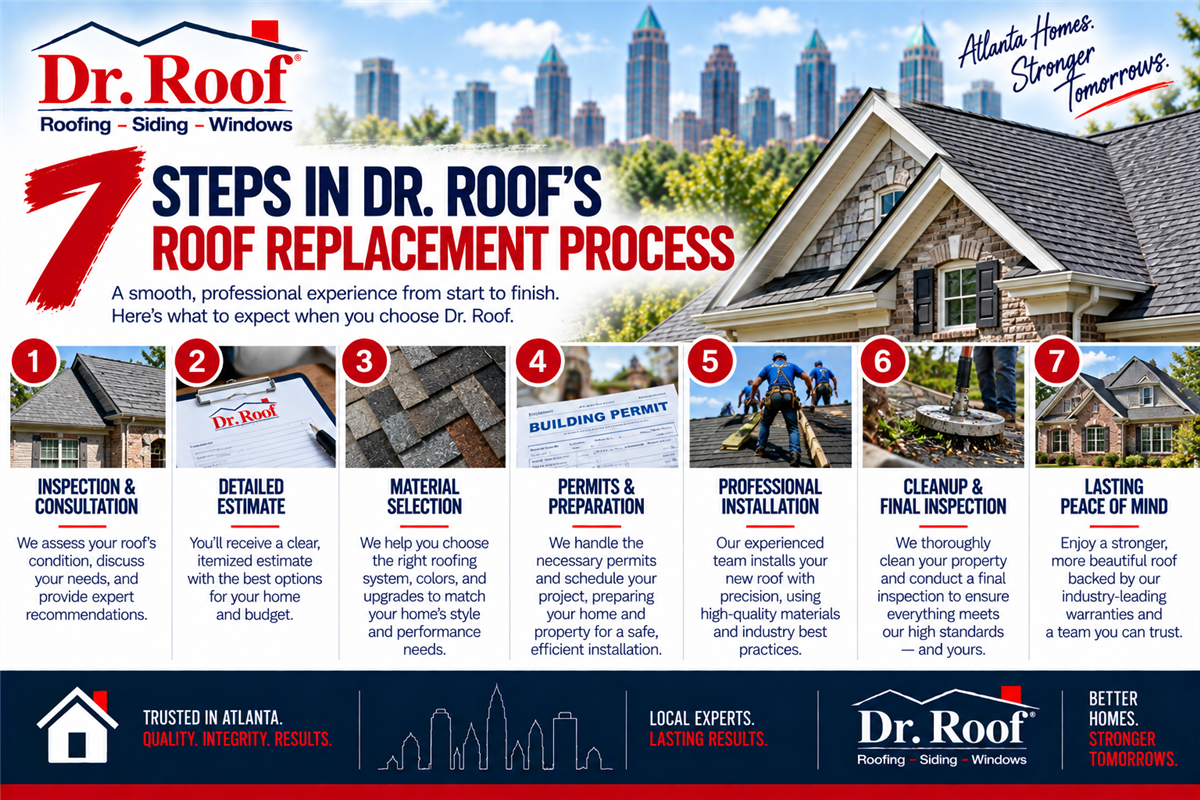
Here’s a systematic process followed to ensure every roof repair project adheres strictly to current codes:
Initial Assessment & Code Review. The process begins with a comprehensive inspection of your roof damage, simultaneously reviewing the specific local roof repair codes and regulations applicable to your property's location and the scope of work. This includes checking for any recent code updates since the original construction. You’ll know this step is thorough when a clear explanation of applicable codes is presented.
Permit Application & Documentation. For most significant repairs or replacements, the contractor handles the entire permit application process. This involves submitting detailed plans and material specifications to the local building department. All necessary paperwork is meticulously prepared, ensuring a smooth approval process, typically completed within 5-10 business days depending on the municipality.
Material Selection & Installation Adherence. Materials are selected that not only meet but often exceed code requirements, using GAF products installed to manufacturer specifications. GAF Master Elite status ensures crews are trained on the latest installation techniques that comply with or surpass current building standards. Verification points include observing correct fastening patterns and proper layering.
Inspections & Final Approval. During and after the repair, your project will undergo necessary inspections by local building officials to verify compliance with all adopted codes. The team coordinates these inspections, ensuring work passes with flying colors. Final approval signifies that your roof repair is code-compliant and officially documented.
Key Principles: Ensuring Resilience and Protecting Your Investment
Beyond the legal and safety aspects, adhering to roof repair codes and regulations directly impacts your homeowner’s insurance. Insurance companies often require repairs to meet current codes to be eligible for coverage.
If a repair is completed without the necessary permits or fails to meet modern standards, it can jeopardize future insurance claims. Comprehensive storm damage assistance often includes expert liaison with your insurance company.
This advocacy for code-mandated upgrades ensures your home is fully protected and you receive the full benefits of your policy. The Institute for Business & Home Safety (IBHS) provides valuable guidance on codes and standards that significantly impact a roof's resilience source.
Avoiding Future Issues
To effectively prevent future roofing issues, it is crucial to recognize that even minor repairs require adherence to specific regulations. Properly addressed small issues, using correct materials and fastening methods, significantly reduce the risk of recurring leaks and further damage.
Furthermore, when undertaking significant roof repairs or replacements, embracing current code mandates for upgrades, such as enhanced ventilation or ice and water shields, ensures enhanced resilience. These proactive measures specifically bolster your home against future severe weather events, a vital aspect for long-term protection in Atlanta.
The Lasting Value of Code-Compliant Roofing
Ultimately, a successful roof repair transcends merely stopping a leak; it involves installing a resilient, code-compliant system designed to withstand the test of time and weather. By understanding roof repair codes and regulations and partnering with an experienced contractor like Dr. Roof, homeowners invest in true peace of mind, knowing their Atlanta home receives superior, lasting protection.
Frequently Asked Questions
What are roof repair codes and regulations and why are they important?
Roof repair codes and regulations are local and state-mandated standards that govern how roofing work must be performed, including materials, installation methods, and safety protocols. They are crucial because they ensure your roof is structurally sound, safe, weather-resistant, and compliant with legal requirements, protecting your home's value and your family's safety.
How do local roof repair codes impact my insurance claim process?
Local roof repair codes can significantly impact your insurance claim. Many policies require repairs to meet current codes to be fully covered. If a contractor doesn't follow these codes, your claim could be denied or reduced, leaving you responsible for out-of-pocket costs. An experienced contractor will help navigate these requirements to maximize your claim.
What makes a GAF Master Elite contractor effective in navigating roofing codes?
A GAF Master Elite contractor, such as Dr. Roof, is recognized for superior expertise and professionalism. Such certification means the team is continually trained on the latest installation techniques and local building codes. This allows for ensuring every aspect of your roof repair is compliant, providing a high-quality, long-lasting roof and superior warranty options.
What common mistakes should I avoid when dealing with roof repair codes?
Avoid hiring unlicensed contractors, attempting DIY repairs for significant damage, or assuming minor repairs don't require permits. These actions can lead to non-compliant work, future structural issues, invalidated warranties, and penalties from local authorities. Always choose a reputable, experienced contractor familiar with local roof repair codes and regulations.
How long does it typically take to secure necessary permits for a roof repair?
The timeline for securing roof repair permits can vary based on your specific Atlanta-area municipality and the scope of the project. Generally, once all necessary documentation is submitted, the permit approval process can take anywhere from 5 to 10 business days. A professional roofing company handles this entire process for you, ensuring efficiency and compliance.
Subscribe to Dr. Roof's Blog



Comments