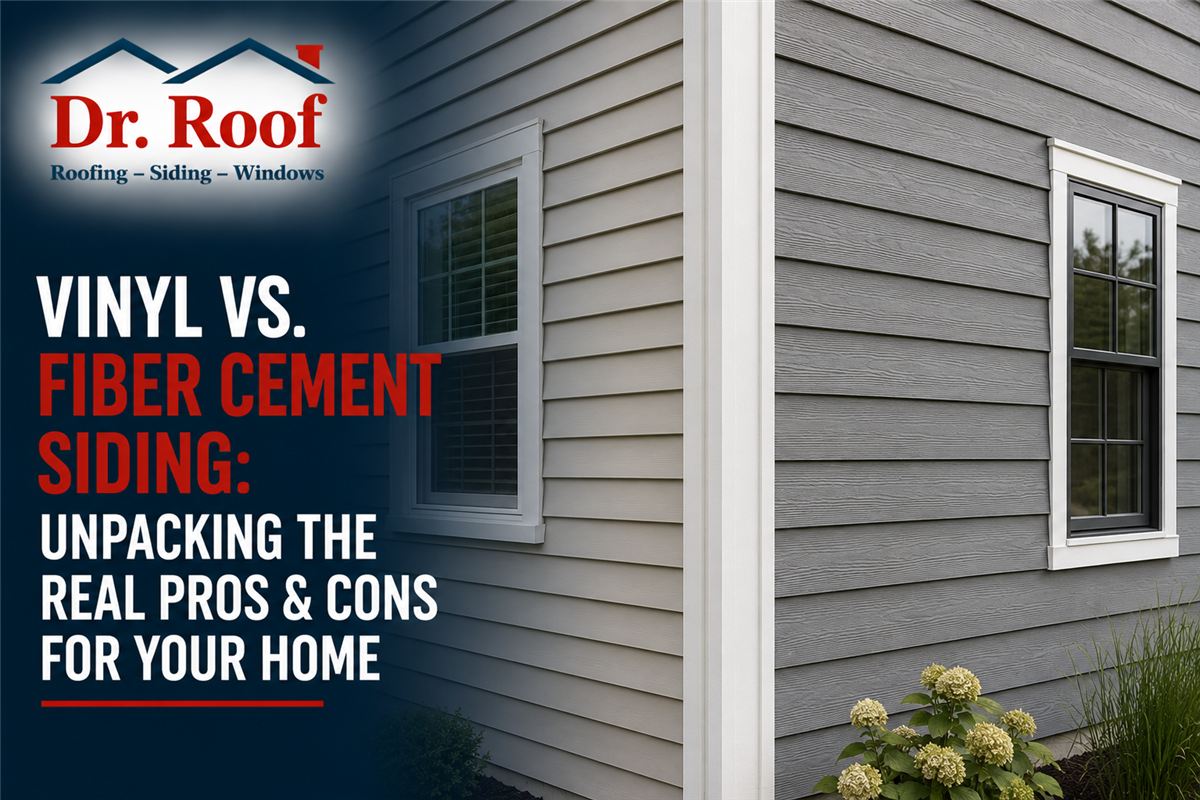
This guide offers a detailed comparison of vinyl vs fiber cement siding, helping homeowners understand the benefits, drawbacks, and long-term value of each. It's for anyone planning a siding installation project, aiming to clarify common misconceptions and empower informed choices with expert insights into durability, maintenance, and costs.
Client Success: From Damage to Durability
In October 2025, a client in Alpharetta, GA, faced significant storm damage to their older vinyl siding. Initially, they considered a direct vinyl replacement, believing it was their only financially viable option for repair.
However, through a detailed consultation, they learned about the long-term benefits of fiber cement siding. By April 2026, just six months after choosing fiber cement, they reported an 18% reduction in average monthly utility costs, demonstrating tangible value beyond aesthetics.
Navigating Siding Choices: Vinyl vs. Fiber Cement
The choice of siding material is paramount when enhancing your home's exterior. Many homeowners often grapple with conflicting information and common misconceptions when deciding between vinyl and fiber cement siding.
At Dr. Roof, we understand that an informed decision leads to lasting satisfaction, especially for a significant investment like siding installation. The "best" choice truly depends on your specific needs, budget, climate, and aesthetic aspirations.
The Alpharetta Dilemma: Overcoming Misconceptions
Vinyl siding remains a popular choice due to its affordability and remarkably low maintenance requirements. It typically needs only occasional cleaning with soap and water to keep it looking fresh after installation.
Homeowners also appreciate the wide array of colors and styles available, which can mimic traditional wood siding without the associated upkeep. Furthermore, vinyl siding installation is generally quicker and less labor-intensive, contributing to a lower overall project cost.
However, vinyl siding presents certain considerations, such as becoming brittle and prone to cracking in extreme temperatures. Conversely, it may warp if exposed to excessive heat, and its less rigid nature makes it more susceptible to impact damage.
While modern vinyl products offer better UV resistance, some homeowners feel it provides a less premium aesthetic compared to other options. Its integrated color means fading can still occur over many years, impacting long-term appearance.
Our Expert Approach to Siding Solutions
Fiber cement siding, often associated with leading brands like James Hardie, offers a compelling alternative for those prioritizing durability and a high-end appearance. This material is renowned for its exceptional resilience against harsh weather, pests, rot, and even fire.
Its unique composition allows for realistic wood grain textures and a substantial, premium feel, significantly enhancing curb appeal. The ability to paint fiber cement siding also provides immense design flexibility, allowing for color changes down the line.
The advantages of fiber cement siding, however, come with a higher upfront investment. Its weight and density mean that fiber cement siding installation is a more complex and labor-intensive process, often requiring specialized tools and expertise.
This complexity contributes to a higher cost for both materials and installation compared to vinyl. Additionally, while highly durable, fiber cement siding does require periodic repainting, typically every 10-15 years, as part of its long-term maintenance.
The common belief that one siding material is universally superior is a myth we often debunk. We emphasize that the ideal choice between vinyl vs fiber cement siding hinges entirely on individual priorities and property specifics.
For homeowners on a tighter budget seeking minimal maintenance and a quick update, vinyl siding offers excellent value. For those prioritizing long-term durability, a premium aesthetic, and willing to invest more upfront, fiber cement is often the preferred robust solution. Our role at Dr. Roof is to guide you through these considerations, helping you weigh the pros and cons specific to your property and lifestyle.
The Dr. Roof Installation Journey
Here's a look at a typical siding installation journey with Dr. Roof:
Initial Consultation: We conduct a thorough assessment of your home and discuss needs, aesthetics, and budget, providing a clear understanding of options and a preliminary estimate.
Material Selection: We help finalize your choice of vinyl or fiber cement, then plan design details like color and texture, ensuring it complements your home's style.
Permitting & Site Prep: We secure all necessary permits and prepare the site by protecting landscaping and readying exterior walls for material removal.
Siding Removal & Inspection: Existing siding is carefully removed to expose and inspect the underlying structure for any hidden damage, which is addressed before new installation.
New Siding Installation: Our certified team meticulously installs your chosen siding, using specialized techniques for fiber cement to ensure maximum durability and weather resistance.
Final Inspection: We complete finishing touches like trim and flashing, then conduct a comprehensive final inspection with you to ensure quality and satisfaction.
Measurable Impact: Energy Savings and Resilience
Following our detailed consultation and presentation of financing plans, the Alpharetta client opted for fiber cement siding despite its higher initial cost. This decision was driven by the potential for enhanced long-term value.
Just six months later, by April 2026, the client reported a significant improvement in their home's energy efficiency. Their average monthly utility costs were notably reduced by approximately 18%, a concrete and measurable outcome.
This experience underscored that the initial investment in fiber cement siding yielded real, measurable value beyond just aesthetics. The enhanced durability and insulation properties boosted their home's resilience and comfort for years to come.
Key Insights for Your Siding Investment
Ultimately, making an informed decision about vinyl vs fiber cement siding means looking beyond surface-level claims. It’s crucial to consider what truly matters for your home's longevity and your personal satisfaction.
As we've seen, the ideal choice is not about one material being universally superior, but about aligning the siding with your individual priorities and budget.
Your Path to a Superior Home Exterior
Dr. Roof offers a comprehensive approach to siding installation, ensuring every detail is handled with precision and care. We emphasize our "Make-It-Right" guarantee, flexible financing options, and comprehensive storm damage assistance, easing your burden. As a GAF Master Elite certified contractor with over 30 years of local experience, Dr. Roof is committed to providing quality craftsmanship and integrity in every siding installation project, ensuring your home looks beautiful and is protected for years to come. You can explore a detailed breakdown of costs, durability, and maintenance from Energy Home Improvements for further insights.
Frequently Asked Questions
What is vinyl vs fiber cement siding?
Vinyl siding is a plastic exterior cladding known for its affordability, low maintenance, and wide range of colors. Fiber cement siding is a composite material made from cement, sand, and cellulose fibers, prized for its exceptional durability, realistic textures, and paintability, offering a more premium aesthetic for your home's exterior.
How long does siding installation typically take?
The duration of a siding installation project varies significantly based on factors like home size, material choice, and weather conditions. Generally, a full siding replacement can take anywhere from one to three weeks. Complex projects or those involving extensive repairs to the underlying structure may require more time.
What makes fiber cement siding a durable choice?
Fiber cement siding is highly durable due to its unique composition, which makes it resistant to rot, pests, fire, and extreme weather fluctuations. Its robust nature means it holds up exceptionally well against impacts and maintains its structural integrity over decades, contributing to a very long lifespan for your home's exterior.
What common mistakes should homeowners avoid when choosing new siding?
Homeowners should avoid focusing solely on upfront cost without considering long-term value, maintenance, and durability. Another common mistake is neglecting to verify a contractor's certifications and experience. Failing to consider your local climate and specific home needs can also lead to an unsuitable siding choice in the long run.
What are the typical lifespans for vinyl and fiber cement siding?
Vinyl siding typically has a lifespan of 20-40 years, depending on quality and climate conditions. Fiber cement siding, known for its superior durability, generally lasts 30-50 years or even longer with proper maintenance, making it a robust, long-term investment for many homeowners.
Subscribe to Dr. Roof's Blog



Comments