A roof does not need to be leaking before it deserves attention.
In fact, some of the most useful roof maintenance happens before an obvious problem develops.
Atlanta homes are exposed to heat, humidity, heavy rain, thunderstorms, wind, falling debris, and occasional hail. Over time, those conditions can affect shingles, flashing, gutters, sealants, roof penetrations, and other components of the roofing system.
Regular maintenance does not guarantee that a roof will never need repairs. What it can do is make it easier to identify developing concerns before they become harder to address.
For Atlanta homeowners who want to protect their roof and get the most value from their roofing system, here are seven maintenance tasks that should not be overlooked.
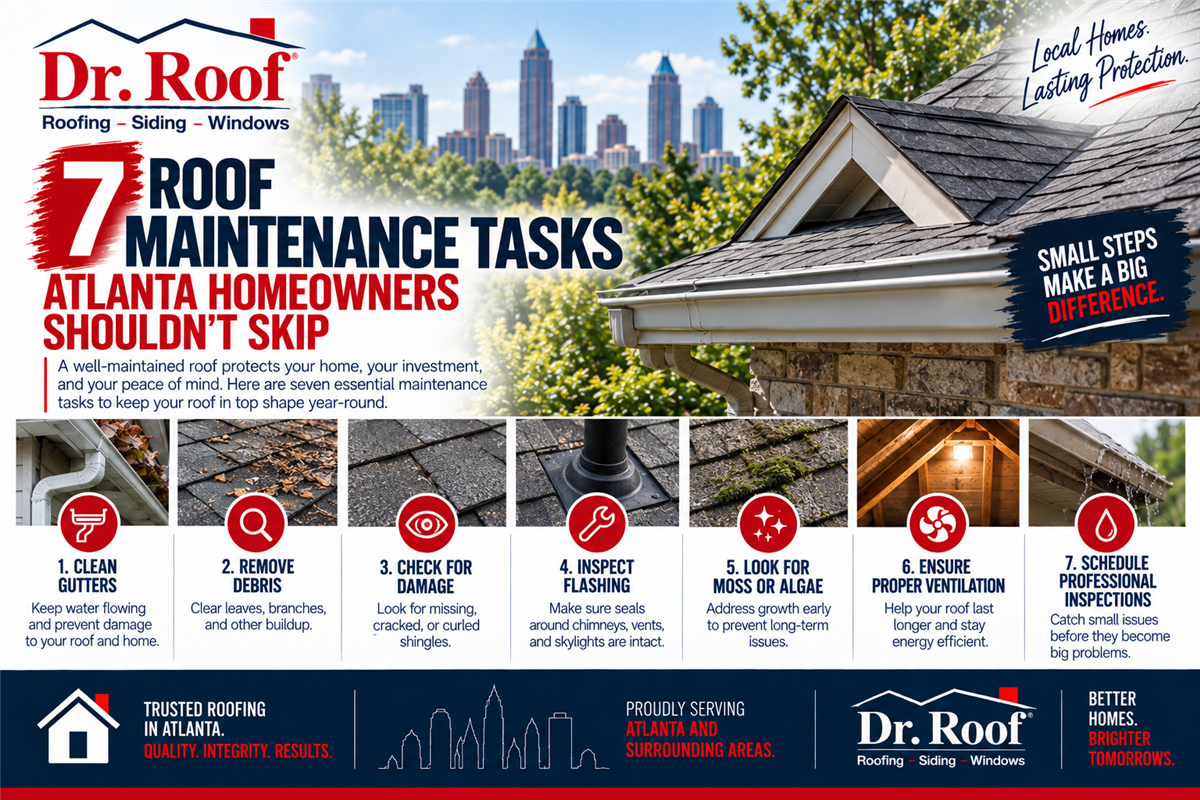
1. Keep Gutters and Downspouts Clear
Gutters are not technically part of the roof covering, but they play an important role in moving water away from the home.
When gutters fill with leaves, pine needles, roof granules, or other debris, rainwater may not drain as intended.
Instead, water can overflow along the roof edge, fascia, siding, landscaping, or foundation.
Atlanta's mature trees can make gutter maintenance especially important during certain times of year.
Homeowners should watch for:
Water spilling over gutter edges
Sagging gutter sections
Plants or weeds growing from gutters
Downspouts that drain slowly
Debris collecting near gutter outlets
Water pooling near the foundation
Keeping the drainage system clear helps give rainwater a controlled path away from the house.
If gutters are difficult or unsafe to reach, leave the work to a professional rather than climbing a ladder unnecessarily.
2. Check the Roof From the Ground After Severe Weather
You do not need to climb onto the roof to notice certain changes.
After strong winds, thunderstorms, hail, or falling branches, walk around the property from the ground and look for anything that appears different.
Possible warning signs include:
Missing shingles
Roofing materials in the yard
Lifted-looking roof sections
Damaged gutters
Bent metal components
Fallen tree limbs
Debris on the roof
New water stains indoors
A roof can also experience damage that is not obvious from the ground, so a visual check should not be treated as a complete inspection.
However, noticing a change early can tell you when it is time to schedule a closer professional evaluation.
3. Trim Tree Limbs Near the Roof
Trees add shade, character, and curb appeal to Atlanta properties, but branches that grow directly over a roof can create maintenance concerns.
During storms, branches may scrape against shingles or break and fall onto the roofing system.
Trees can also contribute to:
Leaf accumulation
Pine needle buildup
Moisture retention
Clogged gutters
Debris collecting in roof valleys
That does not mean every tree near the home needs to be removed.
The goal is simply to maintain reasonable clearance and address branches that are dead, damaged, or making contact with the roof.
Large tree work should be handled by a qualified tree professional, especially when branches are close to the house or utility lines.
4. Pay Attention to Flashing and Roof Penetrations
Many roof problems develop around areas where the roofing system changes direction or meets another structure.
These vulnerable areas can include:
Chimneys
Plumbing vents
Skylights
Roof-to-wall transitions
Valleys
Exhaust vents
Other roof penetrations
Flashing and sealants help manage water around these areas.
As roofing components age, homeowners may eventually see signs such as loose metal, deteriorated sealant, staining, or recurring moisture near a penetration.
Problems around flashing are not always visible from the ground.
That is why they deserve attention during a professional roof inspection, especially when a homeowner is experiencing an unexplained leak.
5. Watch for Changes in the Shingles
Asphalt shingles do not need to be missing before there is a reason to investigate them.
Changes in appearance may provide useful clues about the condition of the roof.
From a safe location, homeowners may notice:
Cracked shingles
Curling edges
Uneven-looking sections
Missing shingles
Dark or unusually worn areas
Large amounts of granules in gutters
Shingle pieces on the ground
Not every visual change means a roof needs to be replaced.
A small damaged section may be repairable.
The important step is determining whether the issue is localized or whether similar deterioration is occurring across a larger portion of the roof.
6. Check the Attic for Moisture Clues
The attic can reveal information about the roofing system that is not visible from outside.
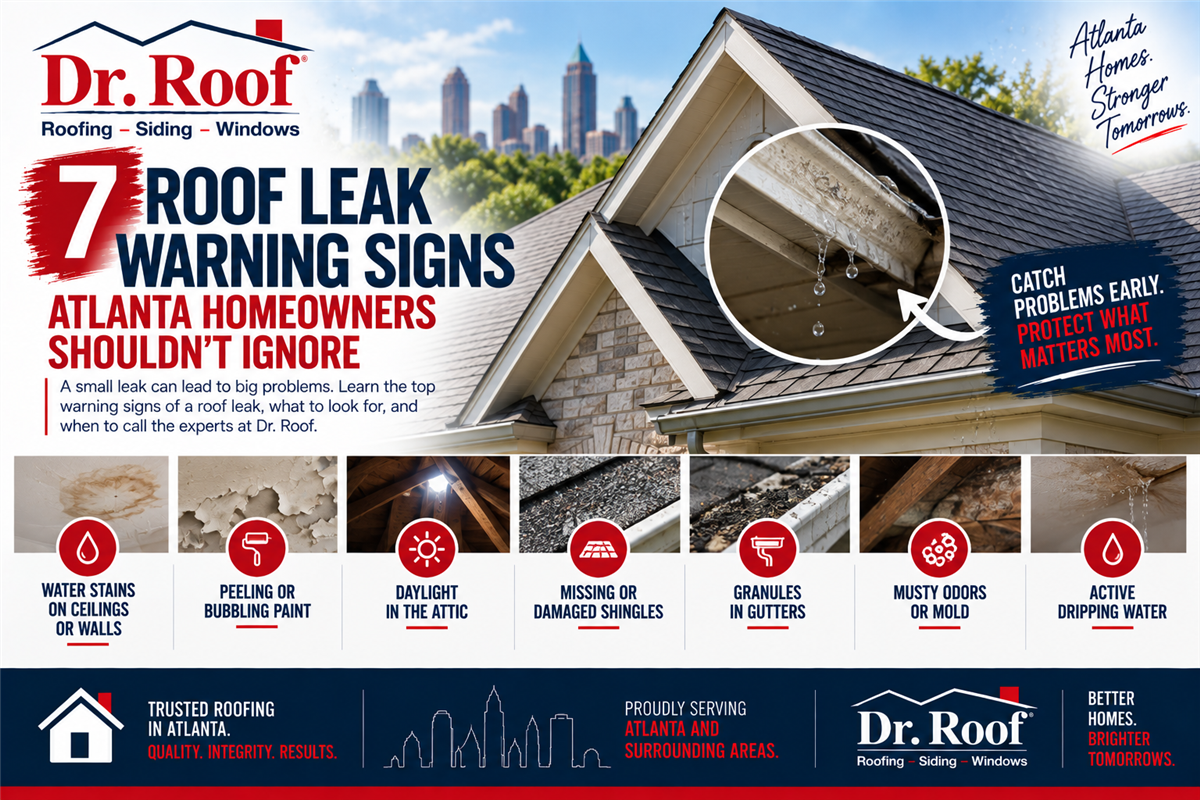
When it is safe and accessible, homeowners can occasionally look for changes such as:
Damp insulation
Water stains
Darkened decking
Musty odors
Moisture around roof penetrations
Signs of previous leaks
Unusual daylight coming through the roof structure
Moisture in an attic does not automatically mean the roof is leaking.
Ventilation problems, condensation, plumbing, indoor humidity, and mechanical equipment can also contribute to moisture.
That is why identifying the source matters.
If you notice unexplained dampness or staining, a professional evaluation can help determine whether the roofing system is involved.
7. Schedule Professional Roof Inspections When Needed
Homeowners can spot obvious warning signs, but there are limits to what can be evaluated safely from the ground.
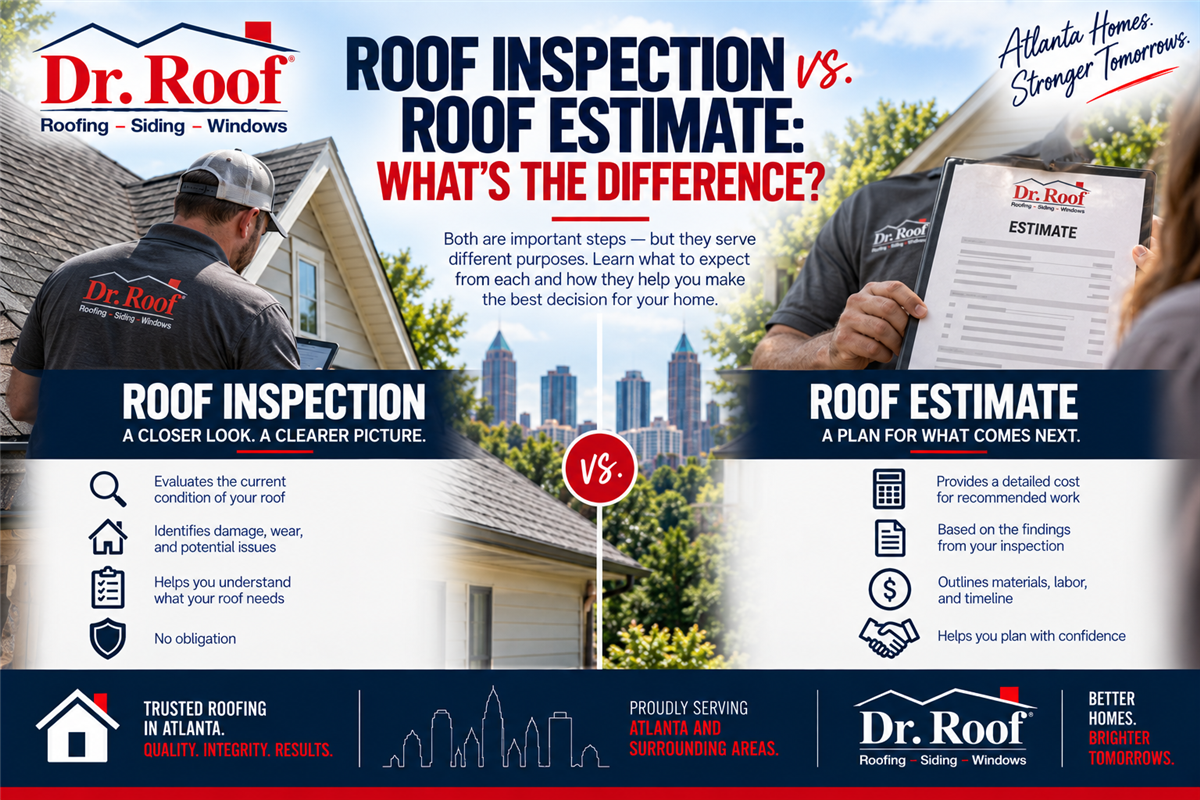
A professional roof inspection provides a closer look at the roofing system and can help identify concerns that may otherwise go unnoticed.
Depending on the home, the inspection may include evaluation of:
Shingles
Flashing
Pipe boots
Valleys
Roof penetrations
Ventilation components
Gutters
Visible decking conditions
Attic areas
Previous repairs
Signs of moisture intrusion
Storm-related damage
Professional inspections can be especially useful after severe weather, when buying or selling a home, when recurring leaks appear, or when the roof is beginning to show signs of age.
What Roof Maintenance Can—and Cannot—Do
Roof maintenance is valuable, but it is important to keep expectations realistic.
Maintenance cannot make worn roofing materials new again.
It also cannot prevent every problem caused by severe storms, falling trees, hail, wind, or material deterioration.
What maintenance can do is help homeowners stay aware of the condition of their roofing system.
That can make it easier to address clogged drainage, loose components, small repair needs, flashing concerns, debris accumulation, and early moisture clues before those concerns are allowed to continue unnoticed.
Should You Walk on Your Roof to Perform Maintenance?
In most cases, homeowners do not need to walk on the roof themselves.
Roof surfaces can be steep, slippery, hot, fragile, or damaged.
Walking in the wrong area can also affect certain roofing materials.
Many useful checks can be performed from the ground, windows, a safe attic location, or other accessible areas around the property.
Anything that requires getting onto the roof should generally be left to trained professionals with the appropriate equipment.
How Often Should You Pay Attention to Your Roof?
There is no single maintenance schedule that fits every Atlanta home.
The right timing depends on factors such as:
Roof age
Roofing material
Nearby trees
Previous repairs
Storm exposure
Drainage conditions
Existing problem areas
Rather than waiting for one specific date each year, homeowners can make roof awareness part of routine home maintenance.
Pay particular attention after major storms or whenever something changes.
A new stain, missing shingle, overflowing gutter, or recurring leak is more useful information than simply looking at the calendar.
Roof Maintenance vs. Roof Repair
Maintenance and repair serve different purposes.
Maintenance is intended to help keep the existing roofing system functioning properly and identify developing concerns.
Roof repair addresses an actual problem or damaged component.
For example:
Cleaning debris from a valley is maintenance.
Replacing damaged shingles is a repair.
Keeping gutters clear is maintenance.
Correcting damaged flashing is a repair.
Recognizing the difference can help homeowners understand when a routine maintenance task has turned into something that requires professional roofing work.
Protecting Your Atlanta Roof Starts With Paying Attention
Homeowners do not need to become roofing experts to take good care of their homes.
Simple habits can make a meaningful difference.
Keep drainage systems clear. Watch for changes after storms. Maintain nearby trees. Pay attention to shingles, flashing areas, and attic moisture. And when something does not look right, have the roof professionally evaluated.
Dr. Roof has served Atlanta-area homeowners since 1988, providing professional roof inspections, roof repair, roof replacement, storm damage assistance, and other exterior home services.
If you have questions about the condition of your roof, contact Dr. Roof to schedule an inspection and get a clearer understanding of what your home needs.
What roof maintenance should homeowners do regularly?
Homeowners can keep gutters clear, watch for visible roof changes, maintain nearby tree branches, monitor attic moisture, and look for signs of damaged shingles or flashing. Work that requires getting onto the roof should generally be left to a professional.
Should I inspect my roof after a storm?
Yes. From the ground, look for missing shingles, fallen debris, damaged gutters, roofing materials in the yard, and new interior water stains. If you suspect damage, schedule a professional inspection.
Do clogged gutters affect the roof?
Clogged gutters can interfere with proper drainage and cause water to overflow around roof edges, fascia, siding, landscaping, and other areas of the home.
Is granule loss from shingles always a problem?
Some granule loss can occur over time. However, noticeable or increasing granule accumulation may be worth evaluating, especially when accompanied by other signs of shingle deterioration or recent storm exposure.
Should homeowners walk on their roofs for maintenance?
Generally, no. Roofs can be steep, slippery, damaged, or difficult to navigate safely. Many basic checks can be performed from the ground, while rooftop evaluations should be handled by trained professionals.
Does regular roof maintenance prevent the need for replacement?
No. Maintenance can help identify problems and support the performance of the existing roofing system, but roofing materials eventually age and may still require repair or replacement.
Subscribe to Dr. Roof's Blog





Comments