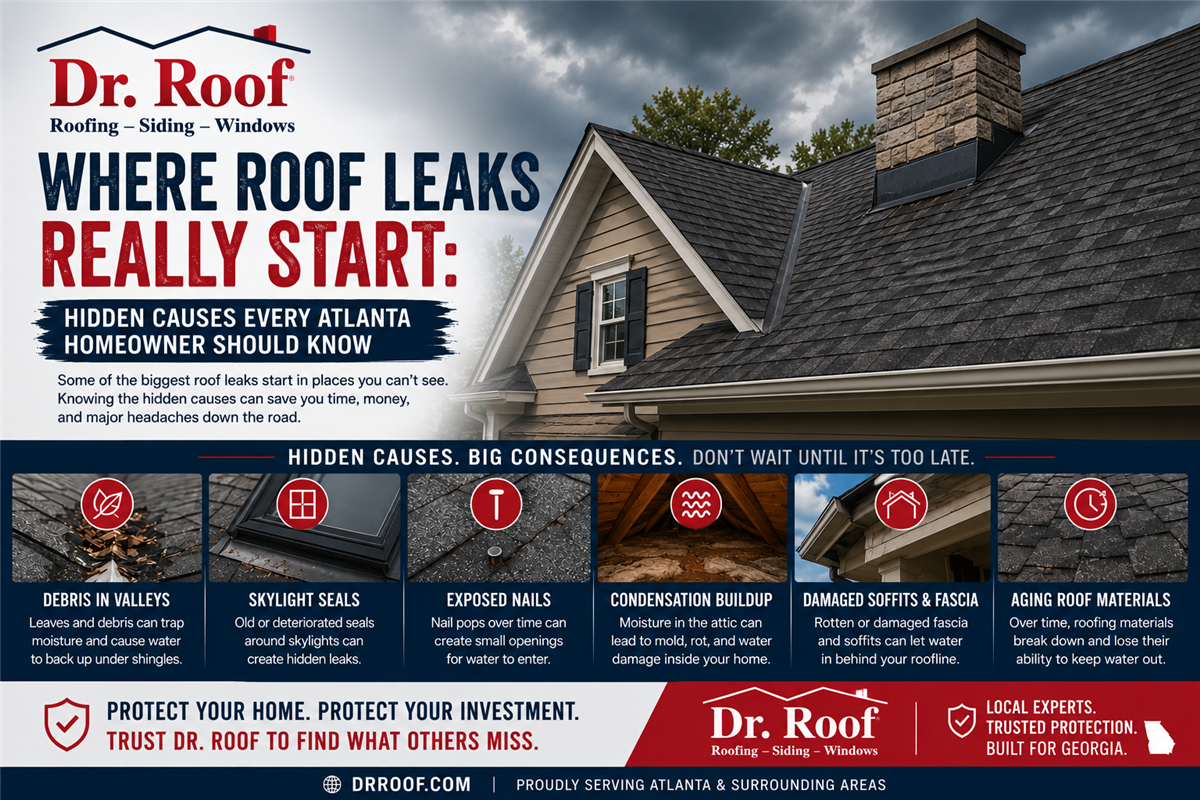
This guide helps Atlanta homeowners understand the most common residential roof leak causes and why leaks are not always as obvious as they seem. It challenges common misconceptions about roof damage, explains how asphalt shingles, flashing, gutters, ventilation, and roof penetrations can all contribute to leaks, and highlights why working with an experienced Georgia roofing company like Dr. Roof can help protect your home with accurate diagnosis and dependable roof repair.
Unmasking the True Causes of Residential Roof Leaks
Many Atlanta homeowners believe a roof leak is always easy to identify. They may expect to see a large hole, missing asphalt shingles, or obvious storm damage before water enters the home.
In reality, many roof leaks begin quietly.
A small gap in flashing, a cracked pipe boot, lifted shingles, clogged gutters, or worn sealant can allow water to enter slowly over time. By the time a ceiling stain or active drip appears indoors, the moisture may have already affected insulation, decking, drywall, or attic materials.
Understanding the true residential roof leak causes requires looking at the entire roofing system, not just the most visible surface damage.
While severe weather can cause immediate roof problems, many leaks develop from gradual wear, aging materials, poor drainage, improper installation, or small vulnerabilities that are difficult to see from the ground.
That is why a professional roof inspection is essential when homeowners notice signs of moisture or suspect roof damage.
A Proactive Approach to Protecting Your Home
For Atlanta homeowners, waiting for an active leak can be costly.
A proactive approach helps identify roof repair needs before they become larger problems. Instead of assuming the roof is fine because there is no visible damage, homeowners should pay attention to subtle warning signs.
These may include:
Water stains on ceilings or walls
Musty odors in the attic
Missing, cracked, or lifted asphalt shingles
Granules collecting in gutters
Damaged flashing
Stains near chimneys or skylights
Damp insulation
Peeling paint near rooflines
Clogged or overflowing gutters
New leaks after heavy rain
Dr. Roof helps homeowners shift from reactive repairs to proactive roof care. As a Georgia roofing company serving the Atlanta area since 1988, our team understands how Georgia weather affects asphalt shingles, flashing, ventilation, and the full roofing system.
Expert Insights: How Dr. Roof Pinpoints Leaks
One of the most common residential roof leak causes is damaged or deteriorated flashing.
Flashing is installed around vulnerable areas such as chimneys, skylights, walls, valleys, and vents. Its purpose is to help direct water away from seams and openings. When flashing becomes loose, cracked, corroded, or improperly sealed, water can find its way beneath the roofing materials.
Homeowners often assume the problem is with the shingles, but the actual leak source may be at a transition point.
Another common cause involves worn pipe boots and roof penetrations. Plumbing vents and other roof openings rely on seals to keep water out. Over time, rubber boots can crack, dry out, or separate from the pipe, creating a direct path for water intrusion.
Damaged asphalt shingles can also lead to leaks. Wind can lift shingles, hail can bruise or weaken them, and age can cause shingles to curl, crack, or lose granules. Once shingles lose their protective function, the roof becomes more vulnerable to moisture.
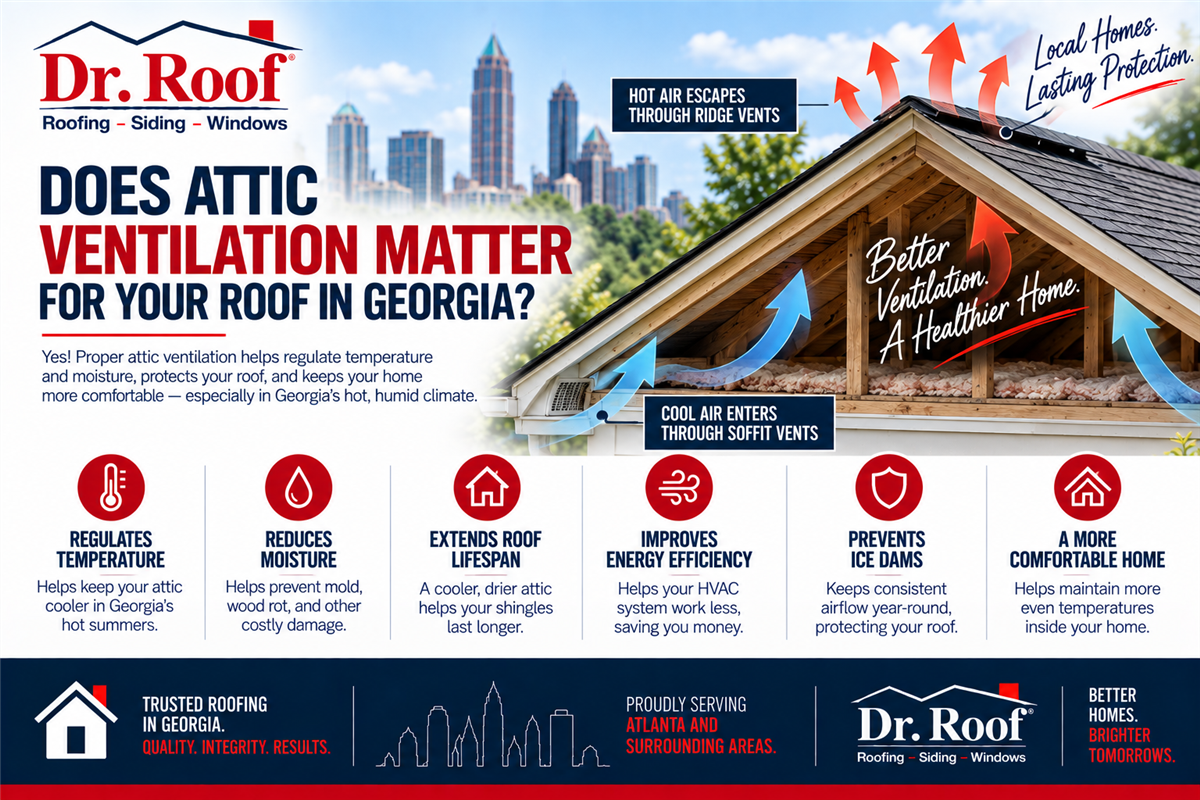
Poor attic ventilation can create another confusing problem. Warm, moist air can rise into the attic and condense on cooler surfaces, sometimes mimicking a roof leak. In these cases, effective diagnosis means looking beyond the exterior and evaluating attic conditions as well.
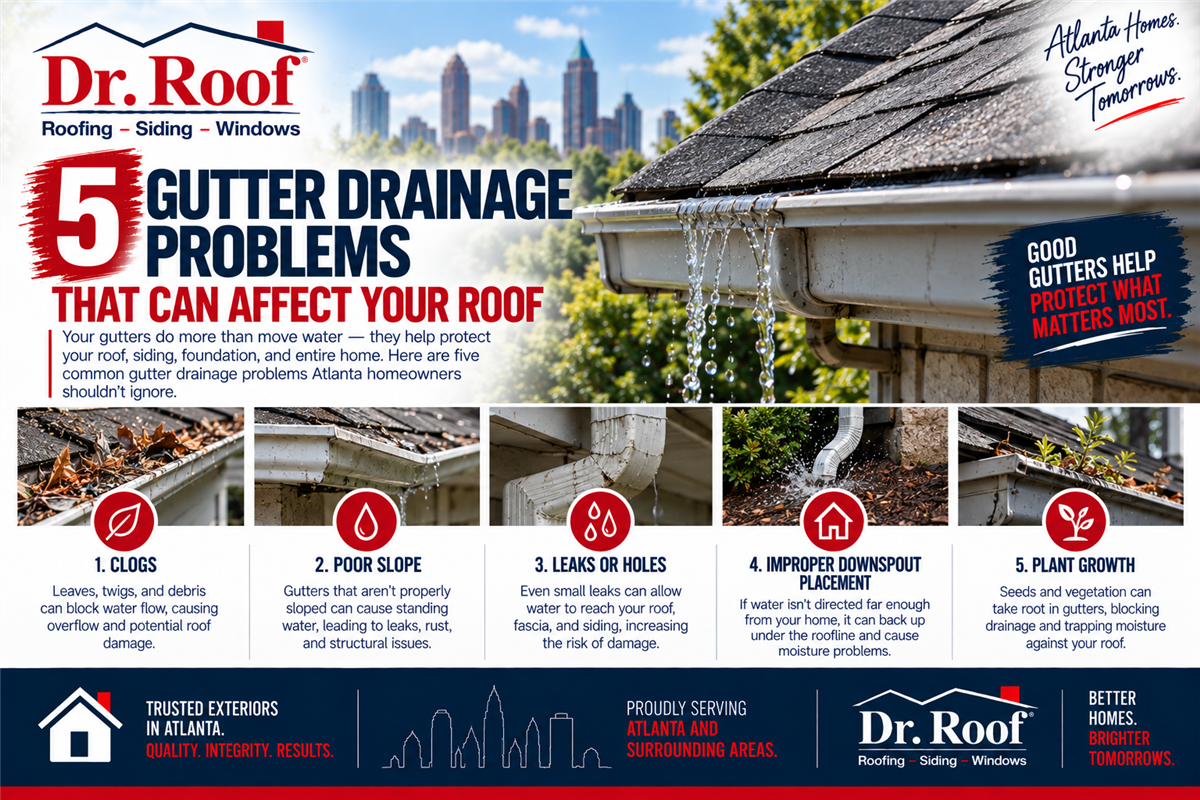
Gutters also play an important role. When gutters are clogged, damaged, or improperly draining, water can back up along the roof edge and soak into fascia, soffits, or decking. A roof leak is not always caused by the shingles themselves; sometimes it begins with poor water management.
Dr. Roof evaluates all of these components during a professional inspection, helping homeowners identify the real source of the problem instead of guessing.
Critical Takeaways for Homeowners
A complete roof leak assessment should examine the full roofing system.
That includes asphalt shingles, flashing, valleys, pipe boots, vents, skylights, chimneys, gutters, roof decking, attic conditions, and interior signs of moisture.
As a GAF Master Elite Certified Contractor, Dr. Roof brings professional training, installation knowledge, and decades of local roofing experience to leak inspections and roof repair recommendations.
A thorough inspection may include:
Reviewing asphalt shingles for lifting, cracking, curling, or granule loss
Checking flashing around chimneys, skylights, walls, and vents
Inspecting pipe boots and roof penetrations
Looking for gutter drainage problems
Evaluating roof valleys and vulnerable transition areas
Checking attic spaces for moisture, stains, or ventilation concerns
Documenting findings with photos when applicable
Explaining repair options clearly
An attic inspection can be especially helpful because water may travel before it appears indoors. The stain on the ceiling may not be directly below the leak source.
In some cases, additional evaluation may be needed to trace the path of water and confirm the cause.
The goal is simple: identify where water is entering, why it is entering, and what roof repair is needed to stop it properly.
Avoiding Costly Misconceptions in Roof Repair
One of the most expensive misconceptions is believing that every leak is obvious.
Many homeowners wait until water is actively dripping before calling a roofing contractor. By then, the leak may have already caused damage beneath the surface.
Another common misconception is assuming that all leaks are caused by old asphalt shingles. While aging shingles can certainly be a factor, many leaks come from flashing, pipe boots, poor ventilation, clogged gutters, damaged vents, or improper installation details.
Homeowners may also assume that a quick patch is enough. In some cases, a small repair may be appropriate. But if the repair does not address the real source of the leak, the problem may return.
Common roof leak repair mistakes include:
Sealing the visible area without finding the source
Ignoring damaged flashing
Overlooking worn pipe boots
Missing attic moisture concerns
Failing to check nearby asphalt shingles
Neglecting gutters and drainage
Treating condensation as an exterior leak
Waiting too long after storm damage
A trusted Georgia roofing company should provide a clear diagnosis and explain why a specific repair is recommended.
Implementing Advanced Leak Prevention and Repair
Long-term leak prevention requires a full-system approach.
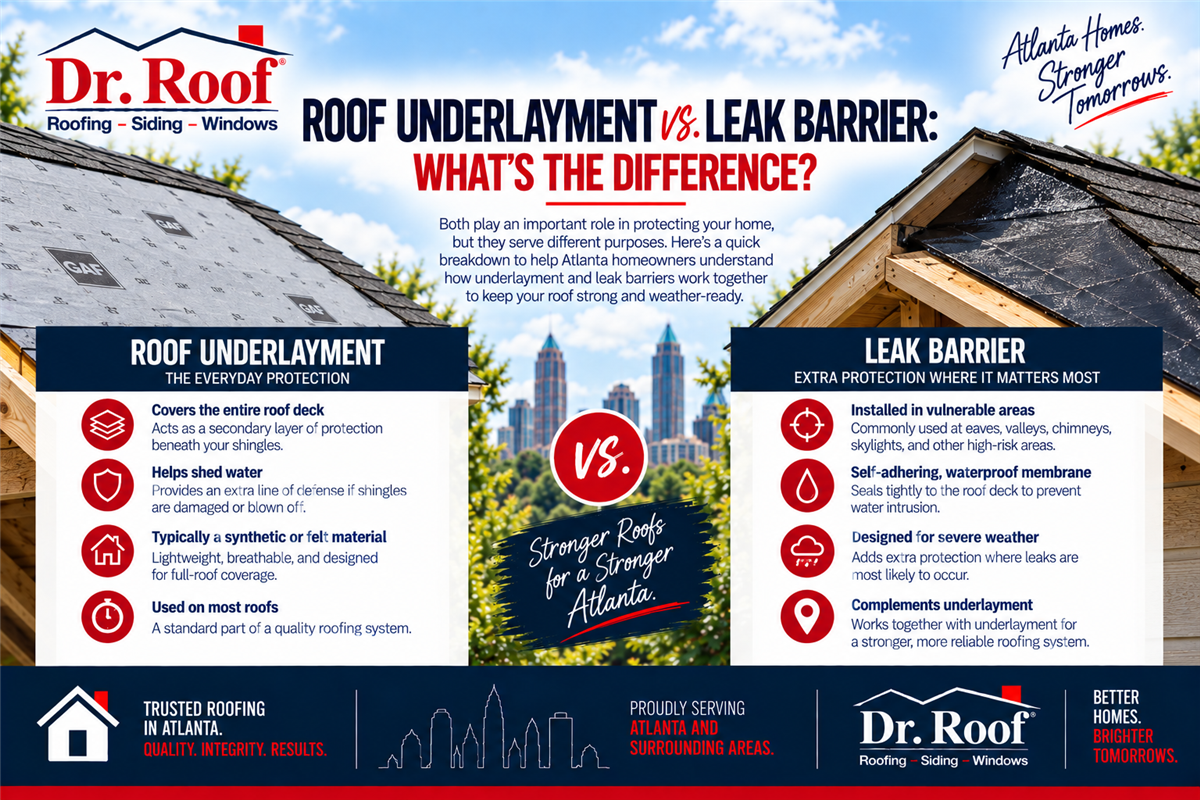
That means looking at how the roof sheds water, how the attic manages heat and moisture, how gutters drain, and how asphalt shingles, flashing, vents, and underlayment work together.
Professional roof repair may involve replacing damaged shingles, repairing flashing, replacing pipe boots, sealing roof penetrations, correcting ventilation concerns, clearing drainage issues, or addressing damaged decking when needed.
For storm-related roof leaks, Dr. Roof can provide photos, written findings, and professional repair or replacement recommendations to help support the insurance claim process. Every policy and claim is different, but clear documentation can help homeowners better understand the roof’s condition and communicate with their insurance provider.
The earlier a leak source is identified, the better chance homeowners have of avoiding more extensive damage.
Secure Your Home: Your Next Steps
Understanding the real residential roof leak causes can help homeowners protect their property, avoid unnecessary repairs, and respond quickly when warning signs appear.
A roof leak may begin with damaged asphalt shingles, worn flashing, cracked pipe boots, clogged gutters, poor ventilation, or storm damage. The key is identifying the source accurately before the problem spreads.
Dr. Roof has served Atlanta-area homeowners since 1988, providing professional roof inspections, roof repair, roof replacement, storm damage documentation support, and exterior home services.
As an experienced Georgia roofing company and GAF Master Elite Certified Contractor, Dr. Roof helps homeowners diagnose roof leaks, understand repair options, and protect their homes with quality workmanship.
If you have noticed ceiling stains, attic moisture, missing asphalt shingles, storm damage, or signs of a roof leak, contact Dr. Roof to schedule a professional roof inspection and get clear guidance on your next step.
Frequently Asked Questions
What are the most common overlooked residential roof leak causes?
Beyond obvious storm damage, many residential roof leak causes are overlooked. These often include deteriorated flashing around chimneys, skylights, and vents, as well as degraded sealants, clogged gutters causing water backup, and hidden issues like compromised pipe boots or improper previous roof repair work. Professional inspections are key to identifying these subtle problems.
Can poor attic ventilation contribute to what appears to be a roof leak?
Yes, absolutely. Poor attic ventilation can cause warm, moist air to condense on the underside of your cold roof decking, leading to water drips that mimic an actual roof leak. Addressing proper insulation and ventilation is a critical part of diagnosing and resolving such moisture issues, often preventing unnecessary roof repair.
How are difficult-to-find leaks typically diagnosed?
A multi-step process is utilized for leak diagnosis, starting with a comprehensive exterior inspection to identify potential vulnerabilities. This is followed by a thorough attic inspection to find internal water trails. For particularly elusive leaks, controlled water testing can be performed to pinpoint the exact entry point, ensuring precise and effective roof repair solutions.
Is delaying minor roof repair going to lead to more significant problems?
Delaying even seemingly minor roof repair can lead to much more significant and costly problems over time. Small leaks can cause extensive damage to attic insulation, ceiling drywall, structural wood, and even create conditions for mold growth, all of which are far more expensive to remediate than a timely, targeted roof repair.
What differentiates a high-quality roof repair service?
High-quality roof repair services often offer extensive local expertise, holding top industry certifications that ensure superior quality. They typically provide industry-leading labor and material warranties, comprehensive storm damage assistance, and flexible financing options. A strong customer satisfaction guarantee is also a hallmark of excellent service, ensuring lasting solutions for all residential roof leak causes.
Subscribe to Dr. Roof's Blog




Comments