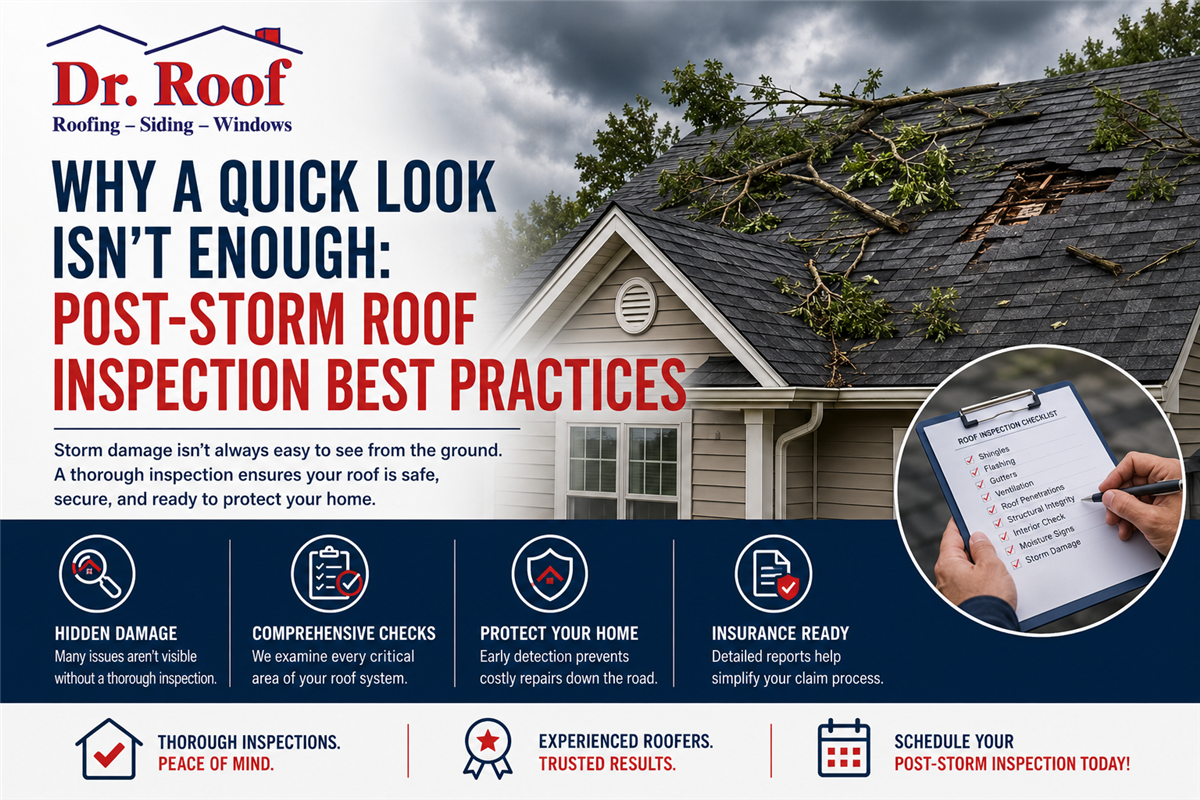
This guide challenges the common belief that a quick glance is enough after severe weather, offering homeowners in the Atlanta metropolitan area true best practices for post-storm roof inspection to identify and address hidden storm damage.
It's for anyone seeking expert advice to protect their home, emphasizing immediate professional assessment and proactive measures for long-term safety and investment protection, with a focus on storm damage and comprehensive roof inspections.
Beyond the Quick Glance: Understanding True Post-Storm Inspection Needs
After a powerful storm sweeps through the Atlanta metropolitan area, homeowners naturally survey the immediate aftermath. Many might simply glance upwards at their roof, and if no obvious holes or missing shingles are visible, they breathe a sigh of relief.
This seemingly harmless "eyeball test" is a common misconception. It leads many to believe their home escaped significant storm damage when, in reality, lurking problems could be quietly brewing beneath the surface.
The truth is, relying solely on a ground-level visual assessment or delaying professional help after an event, especially with hail or high winds, is one of the costliest mistakes a homeowner can make.
We consistently observe that the real risks to a roof after a storm are often invisible to the untrained eye. For instance, what appears to be minor granule loss on shingles might conceal underlying structural compromise or unseen impact damage.
Such damage diminishes the roof's lifespan and protective capabilities over time. Crucial best practices for a post-storm roof inspection extend far beyond a quick visual check, demanding a thorough, expert evaluation.
This expert assessment can detect insidious issues before they escalate into expensive repairs or interior damage. Neglecting this crucial step leaves your home vulnerable, potentially compromising future insurance claims and inviting much larger problems down the line.
Initial Steps Before Expert Assessment
Undertaking an effective post-storm roof inspection requires a strategic process that prioritizes safety and professional expertise. Here are the initial steps homeowners should consider, always followed by a professional assessment.
First, ensure your personal safety and the safety of your family; never attempt to climb on a wet or damaged roof yourself. Next, walk around your property, looking for obvious signs of storm damage such as displaced shingles, gutter dents, or significant debris.
Take clear photos of any visible issues from the ground and record the date and time. This initial documentation is crucial for your records and any potential insurance claims.
Lastly, contact a reputable local roofing contractor, especially one with extensive storm damage experience like Dr. Roof, for a detailed post-storm roof inspection. Their expertise in identifying subtle indicators of damage is invaluable.
The Professional Post-Storm Inspection Process
The path to true peace of mind and long-term home protection begins with a methodical approach to evaluating storm damage. Our team at Dr. Roof often sees the consequences of delayed action, preventing further damage for many homeowners.
For instance, in September 2025, we assisted a family in Marietta who had experienced a severe hailstorm. They initially thought their roof was fine after a superficial check.
When we performed a comprehensive post-storm roof inspection, our GAF Master Elite certified team used specialized techniques. They uncovered significant, widespread hail bruising on the shingles that was not visible from the ground.
This hidden damage, if left unaddressed, would have led to pervasive leaks within 6-12 months. Thanks to our prompt inspection, we helped them file a successful insurance claim that covered 90% of a full roof replacement.
This saved them from an estimated $8,500 in future repair costs and potential interior water damage, which would have been an additional burden.
A common myth is that only major storm events, like hurricanes or tornadoes, warrant a professional roof inspection. However, even seemingly moderate storms with strong winds or pea-sized hail can inflict significant damage over time.
The cumulative effect of these smaller impacts can degrade your roof’s integrity without immediate, obvious signs. These best practices emphasize vigilance and proactive engagement with specialists.
A professional post-storm roof inspection includes examining flashing, vents, skylights, and chimney caps for damage. These specific areas often compromise the waterproof seal and are overlooked by homeowners.
For instance, according to GAF, North America’s leading roofing manufacturer, it’s critical to safely inspect your roof after any storm, as even small signs of damage can indicate larger issues below the surface.
Our experience has shown that granule loss from asphalt shingles, for example, might seem cosmetic. Yet, it exposes the asphalt matting to harmful UV rays, accelerating the aging process and reducing the roof's protective capabilities.
A certified inspector can differentiate between normal wear and tear and legitimate storm damage. This distinction is vital for an accurate assessment and a successful insurance claim process.
Beyond the direct impact of weather, debris can also play a significant role in causing storm damage. Tree branches, unsecured yard items, or even neighboring property elements can be carried by high winds and strike your roof.
Even if there are no punctures, the impact can loosen shingles. A professional post-storm roof inspection will meticulously check for these secondary damages.
This ensures every potential weak point is identified. This thoroughness is a cornerstone of our "Make-It-Right" guarantee, ensuring no detail is overlooked in protecting your home.
Why Timeliness and Expertise Matter
Another common misconception revolves around the immediacy of a post-storm roof inspection. Some homeowners believe they can wait until they notice a leak or until their neighbors start getting roof replacements.
However, this delay can have dire consequences. Insurance policies often have specific timeframes for filing claims after storm damage occurs, and missing these deadlines can jeopardize your ability to receive coverage for repairs.
Furthermore, allowing damaged areas to remain exposed can lead to water infiltration, mold growth, and structural rot. This transforms a simple roof repair into a much larger and more costly home renovation project.
Timeliness is not just a recommendation; it's a critical component of best practices for protecting your investment.
Our GAF Master Elite certification signifies our commitment to the highest standards of roofing. This distinction means our team is trained in the latest installation techniques and material science.
This makes us exceptionally adept at identifying nuanced storm damage that other contractors might miss. We understand how different roofing materials react to wind, hail, and water, providing a depth of expertise in every post-storm roof inspection.
Choosing a certified professional, like Dr. Roof, not only ensures a meticulous assessment but also provides access to industry-leading warranties on both labor and materials, giving you unmatched protection.
Common Mistakes to Avoid
A primary mistake homeowners make is relying solely on a quick visual check from the ground after a storm. This "eyeball test" often misses subtle, yet critical, signs of damage such as hail bruising or loosened flashing.
Another significant error is delaying a professional post-storm roof inspection. Waiting until a leak appears or for neighbors to get repairs can lead to missed insurance claim deadlines and escalating repair costs due to secondary damage like rot or mold.
Underestimating the impact of seemingly minor weather events is also a mistake. Even small hail or moderate winds can cause cumulative damage over time, weakening your roof's integrity without immediate obvious signs.
Advanced Tips for Comprehensive Roof Assessment
For a truly comprehensive assessment, look for a roofing professional who employs specialized techniques. This includes inspecting less obvious areas like flashing around chimneys and vents, skylights, and chimney caps for compromised seals.
An advanced assessment will also meticulously check for granular loss on shingles, which, while appearing cosmetic, can expose the asphalt matting to harmful UV rays. This accelerates aging and reduces the roof's protective capabilities.
Professionals often look for secondary damages caused by debris, even without punctures. High winds can loosen shingles, crack tiles, or weaken underlying structures from impacts, requiring detailed identification.
Protecting Your Home: Your Next Steps
Ultimately, the best practices for a post-storm roof inspection emphasize proactive action, comprehensive documentation, and professional expertise. Do not fall victim to the myth that a quick visual check is sufficient, as swift engagement with certified professionals can prevent compounded damages and insurance claim denials. Prioritize an expert post-storm roof inspection to ensure your home's long-term integrity and peace of mind.
Frequently Asked Questions
Is it true I can assess my own roof's storm damage effectively from the ground?
No, this is a common misconception. While you can identify obvious issues from the ground, significant storm damage often occurs in areas not visible or manifests as subtle impacts that require professional expertise and tools to detect. Hidden issues like hail bruising on shingles or compromised underlayment are easily missed, making a professional post-storm roof inspection essential.
Why is a professional post-storm roof inspection crucial even after seemingly minor weather events?
Even minor storms can cause cumulative damage or stress points that weaken your roof over time. What appears insignificant from afar can lead to serious issues like leaks, mold, or structural degradation months down the line. A professional inspection ensures all potential storm damage, visible or hidden, is identified and addressed promptly to prevent future complications.
Do I really need to act immediately, or can a post-storm roof inspection wait a few weeks?
Delaying a post-storm roof inspection is not recommended. Many insurance policies have deadlines for filing claims, and postponing an inspection could jeopardize your coverage. More importantly, leaving storm-damaged areas exposed can lead to secondary damage, like water infiltration and rot, which can significantly increase repair costs. Swift action protects your home and your claim.
What hidden issues might a professional post-storm roof inspection uncover that I can't see?
Professional inspectors can uncover various hidden issues, including granular loss on shingles, hail impact marks that haven't broken the surface, damage to flashing around chimneys and vents, loosened sealant, and subtle structural weaknesses. They also inspect gutters for dents, which often indicate hail activity, providing crucial evidence of storm damage that's invisible from ground level.
How does Dr. Roof's GAF Master Elite certification impact the quality of my storm damage assessment?
As a GAF Master Elite certified contractor, Dr. Roof undergoes rigorous training and adheres to the highest industry standards. This certification provides our team with specialized knowledge and advanced techniques for identifying all types of storm damage, ensuring a comprehensive and accurate post-storm roof inspection. It also allows us to offer superior GAF warranties, providing greater peace of mind for homeowners.
Subscribe to Dr. Roof's Blog




Comments