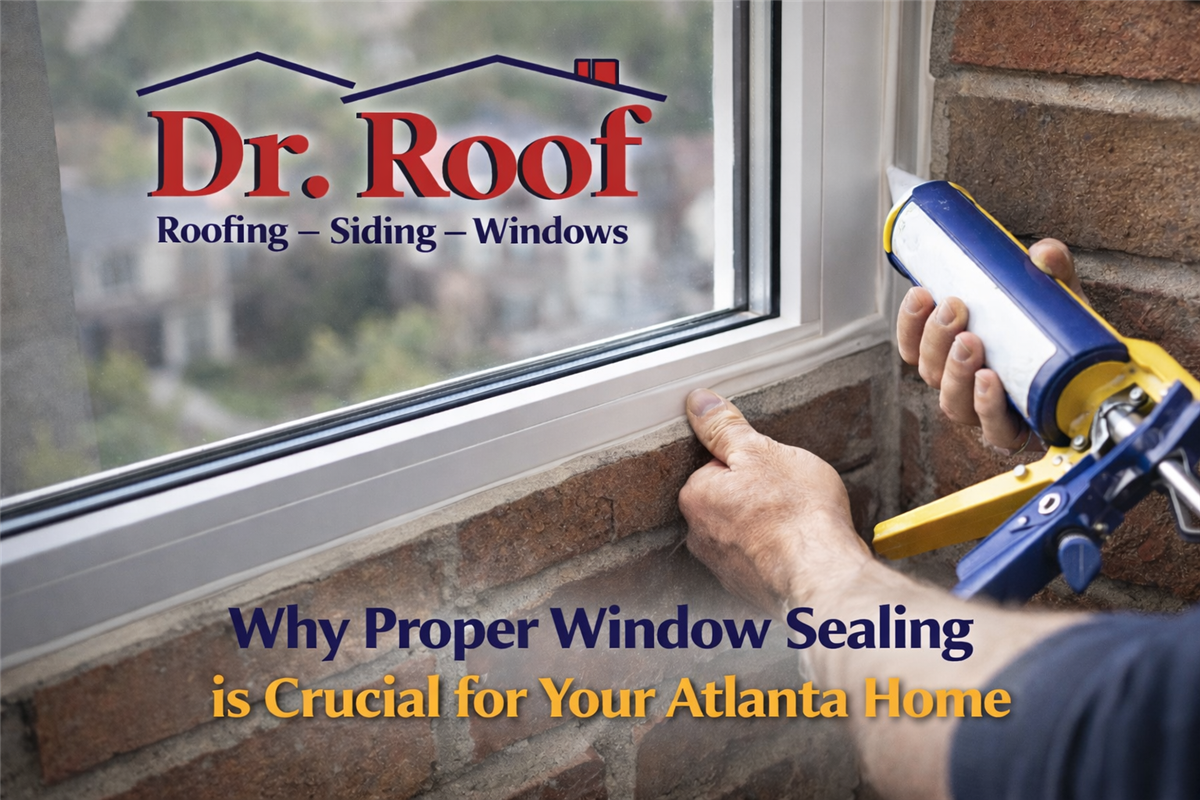
This article explains the critical importance of proper window sealing for Atlanta homeowners. It highlights how correct window installation impacts energy efficiency, comfort, and protection against the elements.
Learn how to ensure your home remains energy-efficient and comfortable through window sealing. This avoids costly repairs and high energy bills.
It's ideal for homeowners seeking to upgrade their homes, improve insulation, and learn more about home window installation. Key benefits include lower utility costs and better indoor air quality, making window installation a smart home investment.
A Personal Experience: The Buckhead Drafts
In my experience, the difference between a properly sealed window and one that isn't can be dramatic. In January 2025, I worked with a client who had recently purchased a home in Buckhead.
They were complaining about high energy bills and noticeable drafts, especially in the living room. Upon inspection, we found the windows had been poorly installed and sealed by a previous contractor.
Air was leaking in around the frames, with visible gaps in the caulking. We recommended a complete window installation with proper sealing, a service often highlighted by Dr. Roof for its precision.
After we completed the project, the client reported a 20% reduction in their energy bills within the first month. They also noticed a significant improvement in home comfort, with no more drafts or cold spots.
This experience highlighted the importance of hiring a qualified contractor. Someone who understands the nuances of proper window installation and sealing is essential for long-term comfort and savings.
Understanding Window Sealing in Atlanta
Proper window installation is about more than just fitting a window into a frame. It’s about creating an airtight seal that protects your home from the elements.
The importance of proper window sealing can't be overstated, especially here in Atlanta. We experience both hot, humid summers and surprisingly chilly winters.
A properly sealed window keeps the elements out and your conditioned air inside. When a window is not correctly sealed during installation, gaps and cracks can form, allowing air and moisture to seep into your home.
The Consequences of Poor Sealing
The immediate impact of poor window sealing is often felt in your energy bills. Proper window installation and sealing significantly enhance energy efficiency.
Your HVAC system has to work harder to maintain a consistent temperature when seals are faulty. This leads to higher energy consumption and increased costs that add up significantly over time.
Beyond energy costs, improper sealing also leads to discomfort. Drafts near windows make rooms feel colder in winter and hotter in summer, even with the HVAC running.
This inconsistency in temperature makes it difficult to maintain a comfortable living environment. Many homeowners seek the expertise of Dr. Roof to address these comfort issues.
Moisture infiltration is another serious consequence of inadequate window sealing. When water seeps in through gaps and cracks, it can lead to mold and mildew growth.
Mold can pose health risks, triggering allergies and respiratory issues, making it essential to address any signs of moisture promptly. Furthermore, water damage can compromise your home's structural integrity.
This can lead to costly repairs down the line. Wood rot, for example, can weaken window frames and surrounding walls, requiring extensive restoration work.
Identifying and Addressing Sealing Issues
Identifying windows that need to be sealed is crucial for maintaining a comfortable and energy-efficient home. One obvious sign is feeling drafts near the windows, especially during cold or windy weather.
Another telltale sign is condensation buildup on the window panes. This indicates that moisture is infiltrating the seal, a problem best addressed by professionals.
Visual inspection can also reveal cracks or gaps in the caulking around the window frame. If you notice any of these signs, it's essential to take action to reseal the windows as soon as possible.
Mastering the Sealing Process
The process of sealing windows involves several key steps. First, you'll need to remove any old or damaged caulking using a utility knife or caulk removal tool.
Clean the area thoroughly to remove any dirt, debris, or mildew. This preparation ensures a strong bond for the new sealant.
Apply a new bead of high-quality caulk around the perimeter of the window. Ensure you fill any gaps or cracks completely.
Smooth the caulk with your finger or a caulk smoothing tool to create a clean, professional finish. Allow the caulk to dry completely before painting or applying any additional sealant.
This meticulous process creates an airtight seal. This seal prevents air and moisture from entering your home, significantly improving its performance.
Choosing the Right Materials and Professionals
When it comes to window installation, choosing the right materials is essential for long-lasting performance. Opt for high-quality windows with energy-efficient features.
These features include double-pane glass and low-E coatings. Such windows provide better insulation and reduce heat transfer, which can significantly lower your energy bills.
Additionally, select a durable and weather-resistant caulking that can withstand the elements and maintain its seal over time. Silicone-based caulks are often a good choice for their flexibility and longevity.
For expert advice and installation, considering a reputable company like Dr. Roof ensures your investment is sound. Their experience can guide you through material selection and proper sealing techniques.
Ensuring Lasting Comfort and Value
Proper window sealing not only improves energy efficiency and comfort but also helps to protect your home from water damage and mold growth. Addressing any issues promptly can prevent costly repairs.
It ensures that your home remains a healthy and comfortable environment for your family. Investing in professional window installation with proper sealing is a smart choice for any homeowner.
It improves the value and longevity of your home. The long-term benefits far outweigh the initial investment, making it a worthwhile project for any home improvement enthusiast.
Frequently Asked Questions
What is window installation and why is proper sealing important?
Window installation involves fitting new windows into your home. Proper sealing is crucial because it prevents air and moisture leaks.
It ensures energy efficiency, prevents drafts, and protects against water damage. These factors are all essential for a comfortable and healthy living environment.
How long does window installation typically take?
The duration of window installation varies based on the number of windows and project complexity. Typically, a professional installation can take a few hours to a couple of days.
Factors affecting timing include weather conditions and material availability. Larger projects naturally require more time and careful planning.
What makes proper window sealing effective?
Proper window installation and sealing create an airtight barrier. This minimizes air leakage and prevents moisture infiltration.
It involves using high-quality caulking and ensuring all gaps and cracks are filled. Effective sealing helps maintain consistent indoor temperatures and reduces energy consumption.
What mistakes should I avoid with window installation?
Avoid using low-quality materials or improper caulking techniques. Failing to properly prepare the window frame before installation can also lead to poor sealing and future problems.
Always hire a qualified contractor with experience in window installation and sealing. This ensures the job is done correctly and stands the test of time.
How much can I save on energy bills with proper window sealing?
After a proper window installation and sealing, a client reported a 20% reduction in their energy bills within the first month. This demonstrates significant savings potential.
Savings can vary based on climate, new window efficiency, and sealing effectiveness. However, improved sealing consistently leads to lower utility costs.
Subscribe to Dr. Roof's Blog







Comments