After a strong storm moves through Atlanta, many homeowners step outside to check their roofs for missing shingles or obvious damage. If everything appears to be in place, it is easy to assume the roof survived the storm without a problem.
Unfortunately, wind damage is not always that visible.
Strong winds can compromise roofing materials without completely removing them, leaving vulnerabilities that may become apparent during the next heavy rainfall.
Wind damage can cause roof leaks even when no shingles are missing. Strong winds can weaken shingle adhesive seals, create creases, damage flashing, and disturb roofing components. These conditions may allow water to penetrate beneath the roof covering, even when the roof appears intact from the ground.
For Atlanta homeowners, recognizing these less obvious forms of damage can help determine when professional wind damage roof repair services are necessary.
How Can Wind Damage a Roof Without Removing Shingles?
Asphalt shingles are installed in overlapping courses and secured using roofing fasteners. Many shingles also feature adhesive sealing strips designed to help hold overlapping materials together.
During strong winds, upward pressure can lift portions of the shingles and weaken their adhesive bonds.
Once the wind subsides, the shingles may settle back into their original positions, concealing the damage.
According to roofing manufacturer GAF, wind-related damage can include loosened adhesive seals, uplifted shingles, and creased roofing materials.
These conditions are not always noticeable from ground level.
Although the shingles may appear normal, their ability to resist subsequent wind exposure and shed water as intended may have been compromised.
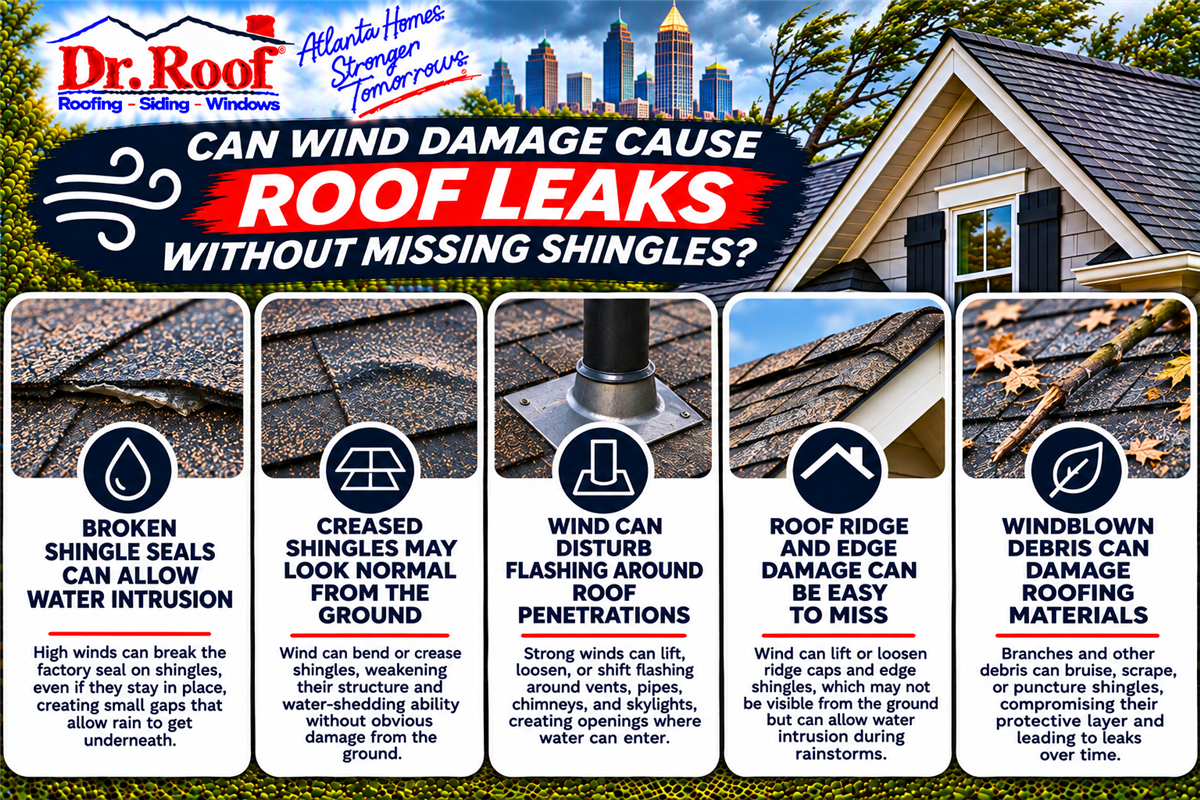
1. Broken Shingle Seals Can Allow Water Intrusion
One of the less visible forms of wind damage involves the adhesive bonds between overlapping shingles.
When strong winds lift shingles, these bonds may become weakened or separated.
Why Are Shingle Seals Important?
Adhesive sealing strips help secure overlapping shingles and support the roofing system's intended wind performance.
When the bond becomes compromised, the affected shingle may be more vulnerable to lifting during future storms.
Under certain conditions, wind-driven rain may also reach beneath the roofing materials.
Can a Broken Shingle Seal Be Repaired?
Sometimes.
A roofing professional must determine whether the affected shingle remains structurally suitable and whether an approved resealing procedure is appropriate.
Shingles that are torn, significantly creased, or otherwise damaged may require replacement.
Simply applying roofing sealant without understanding the condition of the materials may not correct the problem.
2. Creased Shingles May Look Normal From the Ground
Strong winds can lift shingles far enough to create folds or creases without completely detaching them from the roof.
Once the wind stops, these shingles may lie relatively flat again.
However, the crease can remain in the roofing material.
What Is a Wind-Creased Shingle?
A wind-creased shingle has developed a fold or deformation associated with uplift.
Depending on the severity, this damage may compromise the shingle's structure and intended performance.
A crease may appear as a horizontal line or an irregular mark across the shingle.
Can Creased Shingles Cause Leaks?
Potentially.
Significantly damaged shingles may become more vulnerable to further movement, cracking, or water intrusion.
However, a crease alone does not establish that an active leak is present.
A professional assessment can determine whether the affected shingles require replacement and whether surrounding roofing materials have sustained additional damage.
3. Wind Can Disturb Flashing Around Roof Penetrations
Roof flashing helps direct water away from vulnerable roofing transitions and openings.
These areas may include:
Chimneys
Plumbing vent pipes
Skylights
Roof-to-wall intersections
Dormers
Roof valleys
Strong winds or windblown debris may damage or displace certain flashing components.
Unlike missing shingles, flashing problems may be difficult to identify from the ground.
Why Does Damaged Flashing Cause Roof Leaks?
Flashing must work together with surrounding roofing materials to manage rainwater.
When a flashing component becomes displaced, torn, or otherwise compromised, water may enter through the affected transition.
This can create a leak even when the surrounding shingles remain in place.
Can Wind-Damaged Flashing Be Repaired?
Localized flashing replacement or correction may be appropriate when surrounding roofing materials remain serviceable.
The contractor should evaluate the complete flashing assembly rather than assume that applying sealant will provide a suitable repair.
4. Roof Ridge and Edge Damage Can Be Easy to Miss
Roof edges and ridges can experience significant wind exposure.
These areas include specialized roofing components that help protect the roof's perimeter and upper transitions.
Potential wind-related problems include displaced starter materials, damaged ridge cap shingles, and loosened roof-edge components.
Why Are Roof Edges Vulnerable to Wind?
Wind forces can create uplift along exposed roof boundaries.
If roofing materials become loosened in these locations, subsequent wind events may cause additional movement or damage.
Can Damaged Ridge Caps Cause Roof Leaks?
Yes, depending on the type and extent of the damage.
Compromised ridge materials may allow water to reach underlying components under certain weather conditions.
A professional inspection can determine whether localized ridge or roof-edge repairs are appropriate.
5. Windblown Debris Can Damage Roofing Materials
Wind does not need to lift or remove shingles to damage a roof.
During Atlanta thunderstorms, branches and other windblown debris may strike the roofing surface.
Some impacts produce obvious damage, while others leave smaller defects that are difficult to recognize.
Potential damage includes:
Punctured shingles
Torn roofing materials
Damaged roof penetrations
Disturbed flashing
Scraped shingle surfaces
Localized decking damage
A tree limb may also strike the roof and fall away, leaving damage that homeowners cannot easily see.
If your home has experienced a significant debris impact, arrange a professional evaluation even if the roof appears relatively normal.
Why Does My Roof Only Leak After Strong Winds and Heavy Rain?
Some roofing problems become noticeable only under particular weather conditions.
During ordinary rainfall, water may travel down the roofing surface without entering a vulnerable opening.
During a storm, strong winds may drive rain toward exposed shingle edges, compromised flashing, or other damaged transitions.
This can explain why certain leaks appear during severe weather but remain unnoticed during lighter rainfall.
However, intermittent water intrusion does not automatically establish wind damage as the cause.
Other potential explanations include deteriorated flashing, aging roofing materials, installation problems, and pre-existing defects.
A professional evaluation is necessary to identify the actual source.
Can Wind Damage Cause a Roof Leak Weeks After a Storm?
Yes.
Some storm-related roofing damage may not produce immediate interior symptoms.
For example, a weakened shingle seal might remain unnoticed until subsequent wind and rain expose the affected area.
Moisture may also enter the roofing assembly before a visible ceiling stain develops.
Homeowners should watch for changes such as:
New or expanding ceiling stains
Damp drywall
Peeling interior paint
Moisture in safely accessible attic areas
Water dripping during heavy rainfall
These symptoms warrant investigation, but they do not independently establish when or how the damage occurred.
Keeping photographs and notes about recent weather events can provide useful information during a roofing assessment.
What Should You Do if You Suspect Hidden Wind Damage?
Homeowners do not need to climb onto their roofs to investigate potential storm damage.
Instead, begin with safe observations.
Observe the Roof From Ground Level
Look for obvious changes in shingle alignment, damaged ridge materials, displaced components, or debris around the property.
Remember that a normal-looking roof does not rule out concealed damage.
Document Interior Water Damage
If you notice water stains or other signs of moisture, take photographs from a safe location and record when the problem first appeared.
Avoid areas with sagging ceilings, electrical hazards, or suspected structural damage.
Arrange a Professional Roof Inspection
A qualified roofing contractor can examine roofing components that may not be visible from the ground.
The inspection should help determine whether damage is localized, whether surrounding materials remain suitable, and which repairs are necessary.
Take Appropriate Temporary Protective Measures
If active water intrusion is occurring, a professional may recommend temporary roof protection while permanent repairs are arranged.
Homeowners should avoid attempting elevated emergency repairs themselves.
What Do Professional Wind Damage Roof Repair Services Include?
The appropriate repair depends on the findings of the inspection.
| Identified Roofing Problem | Potential Professional Repair |
|---|---|
| Weakened shingle adhesive seals | Manufacturer-appropriate resealing or shingle replacement |
| Torn or significantly creased shingles | Localized shingle replacement |
| Compromised flashing | Flashing repair or replacement |
| Damaged ridge caps | Replacement of affected ridge materials |
| Debris-related roof punctures | Repair of affected roofing layers |
| Localized decking damage | Replacement of unsuitable decking |
Not every wind-damaged roof requires the same repair.
The contractor should determine which roofing components have actually been affected and explain why the proposed work is necessary.
Does Hidden Wind Damage Mean You Need a New Roof?
No.
Wind damage may be repairable when it affects a limited area and surrounding roofing materials remain serviceable.
Localized repair may be appropriate when compatible materials are available and damaged components can be restored without compromising the rest of the roofing system.
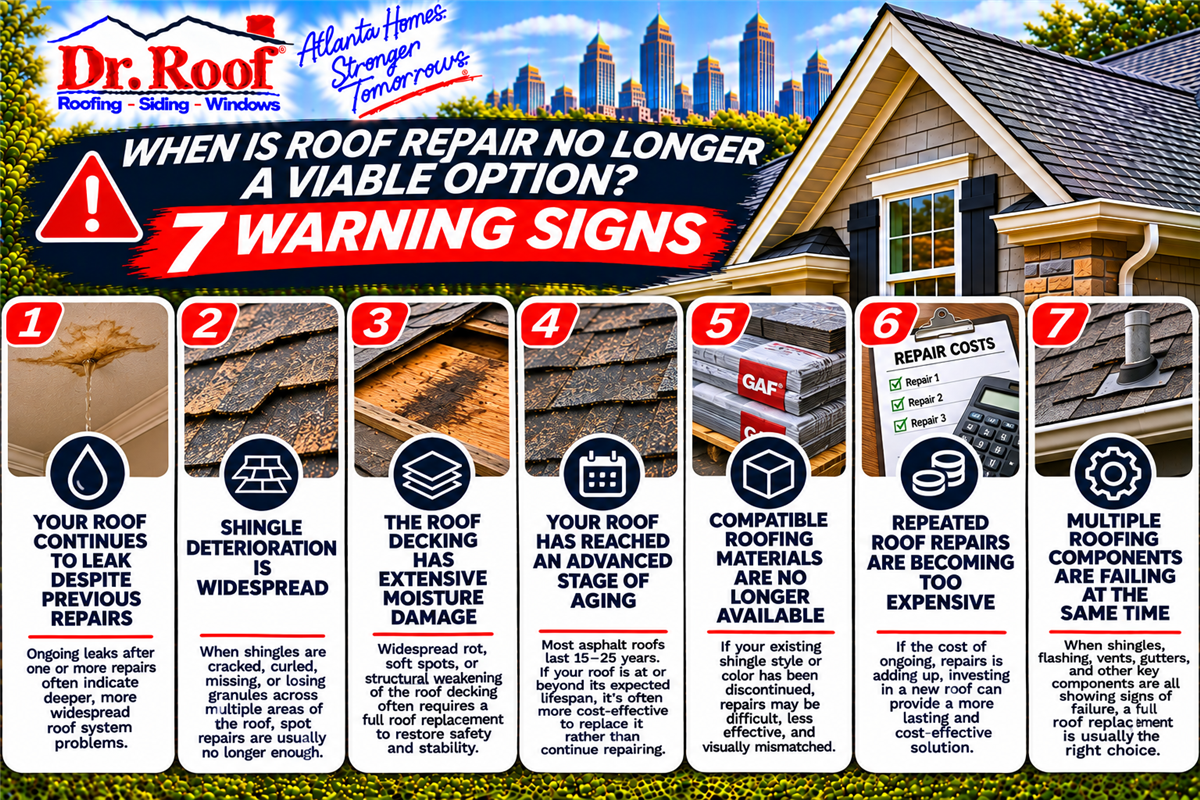
However, widespread storm damage, extensive decking deterioration, or an aging roof with multiple failing components may require a broader solution.
The recommendation should be based on the roof's actual condition rather than the occurrence of a storm alone.
Does Homeowners Insurance Cover Hidden Wind Damage?
Homeowners insurance may cover certain wind-related roofing losses, depending on the policy, cause of damage, deductible, exclusions, and other applicable conditions.
The Georgia Office of Commissioner of Insurance and Safety Fire recommends documenting storm-related losses, retaining relevant receipts, and contacting your insurer before beginning permanent repairs.
A roofing contractor can help document physical roofing damage through photographs, written findings, and repair recommendations.
However, the insurance company determines whether the damage qualifies for coverage.
The presence of wind-damaged shingles does not automatically guarantee insurance approval or payment for complete roof replacement.
How Dr. Roof Helps Atlanta Homeowners With Wind Damage Repairs
Dr. Roof has served Atlanta-area homeowners since 1988, providing professional roofing inspections, residential roof repairs, roof replacement, and storm-damage documentation support.
As a GAF Master Elite Certified Contractor and CertainTeed SELECT ShingleMaster, Dr. Roof brings manufacturer-specific roofing knowledge and local experience to residential roofing projects.
Our team can evaluate suspected wind damage, identify affected roofing components, and explain whether targeted repairs or more extensive work may be appropriate.
Homeowners can also explore our wind damage roofing services or request a professional storm damage inspection.
Don't Assume Your Roof Is Undamaged After a Windstorm
Missing shingles are one of the most recognizable signs of storm damage, but they are not the only reason a roof may need repairs.
Broken adhesive seals, creased shingles, damaged flashing, and debris impacts can compromise roofing materials without creating obvious openings.
For homeowners in Atlanta, Marietta, Roswell, Alpharetta, Smyrna, and surrounding communities, identifying these problems early may help limit additional water intrusion and property damage.
If your roof has developed a leak after strong winds or you suspect concealed storm damage, contact Dr. Roof to schedule a professional roofing evaluation and discuss the repair options appropriate for your home.
Can wind damage cause a roof leak without missing shingles?
Yes. Strong winds can weaken shingle adhesive seals, create creases, damage flashing, and disturb other roofing components without completely removing shingles. These conditions may allow water to enter beneath the roofing materials.
How can I tell if my roof has hidden wind damage?
Potential warning signs include intermittent leaks, new ceiling stains, changes in shingle alignment, and displaced roofing components. Some damage cannot be identified from the ground, making a professional roofing inspection important.
Can wind-damaged shingles be repaired without replacing the entire roof?
Yes, when damage is localized and surrounding roofing materials remain serviceable. A professional contractor may recommend approved resealing procedures or localized shingle replacement depending on the actual damage.
Can a roof start leaking weeks after a windstorm?
Yes. Certain types of storm damage may not produce immediate symptoms. Subsequent rainfall or wind exposure can reveal weakened roofing components, while interior moisture stains may take time to become visible.
Does homeowners insurance cover hidden wind damage to a roof?
Coverage depends on the individual insurance policy, cause of damage, deductible, and applicable exclusions. A roofing contractor can document physical damage, but the insurance company determines coverage and claim payment.
Should I schedule a roof inspection after strong winds even if no shingles are missing?
A professional inspection may be appropriate after significant wind exposure, suspected debris impacts, or newly developing leaks. The absence of missing shingles does not rule out concealed roofing damage.
Subscribe to Dr. Roof's Blog





Comments