
Replacing a roof is a significant home improvement project, and one of the first questions homeowners ask is how long the work will take.
The answer depends on whether you're asking about the actual installation or the entire project, including inspection, estimates, scheduling, materials, and cleanup.
A typical residential asphalt-shingle roof installation can often be completed in one to two working days under suitable conditions. However, the complete roof replacement project may take longer because planning, materials, weather, roof complexity, and unexpected repairs can affect the schedule.
For Atlanta homeowners, understanding the different stages of roof replacement can make the process easier to plan.
What Is the Typical Roof Replacement Timeline?
A residential roof replacement involves several stages.
The overall process generally includes:
Initial roof inspection
Estimate and project planning
Material selection and scheduling
Property preparation
Removal of existing roofing materials
Decking inspection and new roof installation
Cleanup and final review
The installation itself may be completed relatively quickly on a straightforward asphalt-shingle roof.
However, the time between the initial consultation and the completed project varies.
Contractor availability, material lead times, weather, and any applicable approvals can all influence the schedule.
Step 1: Roof Inspection and Initial Consultation
The project begins with evaluating the existing roofing system.
A contractor should assess the roof's condition and determine the appropriate replacement scope.
The inspection may include:
Existing shingles
Flashing
Roof penetrations
Valleys
Roof edges
Ventilation
Visible decking concerns
Previous repair areas
Evidence of water intrusion
The contractor may also discuss roofing materials, homeowner priorities, and concerns about previous leaks or storm damage.
Why Does the Inspection Affect the Timeline?
An inspection helps identify potential complications before installation begins.
For example, a roof with extensive flashing problems or visible decking deterioration may require additional planning.
Some conditions will not be fully visible until the existing roofing materials are removed.
Step 2: Review the Roof Replacement Estimate
After the inspection, the contractor prepares a proposed scope of work.
A detailed estimate should explain what the roof replacement includes.
Depending on the project, it may identify:
Roofing materials
Existing roof removal
Underlayment
Leak-protection components
Starter materials
Field shingles
Ridge components
Flashing
Ventilation
Cleanup
Decking repair procedures
Warranty information
What Should You Compare Between Estimates?
Price is only one consideration.
Two contractors may recommend different materials or include different components.
Before approving the project, ask whether both proposals cover the same work.
It is also helpful to understand how the contractor handles additional repairs discovered during tear-off.
A clear estimate can reduce confusion once the project begins.
Step 3: Select Materials and Schedule Installation
Once the scope is approved, the contractor can coordinate materials and installation scheduling.
Factors that influence this stage include:
Roofing product availability
Material color and style
Roof size
Specialty components
Contractor scheduling
Delivery logistics
Weather forecasts
Applicable permits or approvals
Can Material Selection Delay Roof Replacement?
Yes.
Commonly stocked roofing materials may be available sooner than specialty products or less common colors.
Some roofing systems may require additional components or ordering time.
Homeowners should confirm availability before assuming that the selected roofing material can be installed immediately.
Do All Roof Replacements Require the Same Permits?
No.
Permit and approval requirements depend on the property's location and the applicable project scope.
Homeowners should ask their contractor which requirements apply to their address and who will be responsible for obtaining any necessary approvals.
Step 4: Prepare the Property
Before installation day, homeowners may need to prepare the area around the house.
Roof replacement involves material deliveries, equipment, debris removal, and workers accessing different parts of the property.
Common preparation steps include:
Moving vehicles away from work areas
Clearing access to the driveway
Protecting fragile landscaping
Moving outdoor furniture
Securing valuable items
Keeping children and pets away from construction zones
Removing fragile decorations from walls or shelves if appropriate
The contractor should explain the preparation requirements specific to the property.
Will Roof Replacement Be Noisy?
Yes.
Roof tear-off, fastening, material handling, and debris removal can create noticeable noise.
Homeowners who work from home may want to plan around the construction activity.
Some vibration is also possible during roofing work.
Step 5: Remove the Existing Roofing Materials
Roof installation generally begins with removing the roofing materials included in the approved tear-off scope.
For an asphalt-shingle roof, this commonly involves removing the existing roof covering and exposing the decking.
Once the old materials are removed, the contractor can more directly evaluate the supporting surface.
Why Is Tear-Off Important?
Removing the existing roofing materials allows the crew to identify previously concealed problems.
Potential findings include:
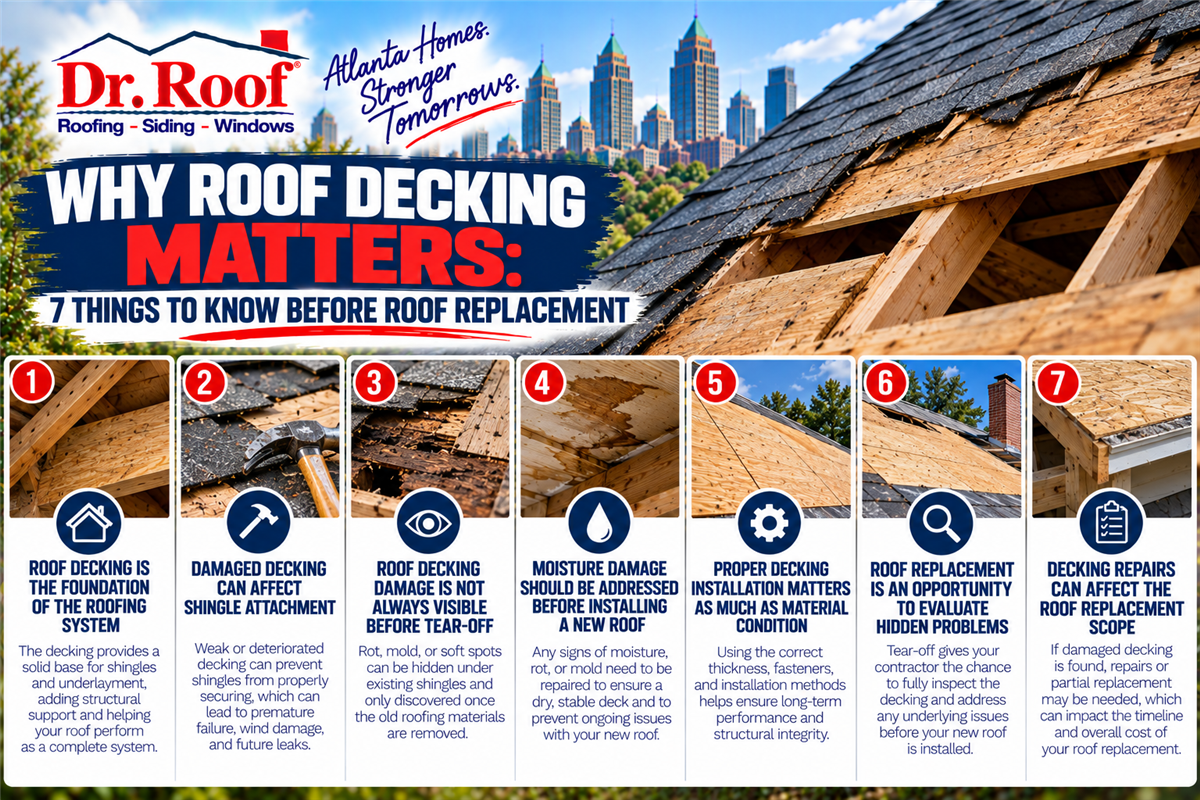
Damaged decking
Moisture deterioration
Improper previous repairs
Damaged flashing
Unsuitable roof penetrations
Other issues requiring correction
The condition of the exposed roof deck can influence what happens next.
Step 6: Inspect the Decking and Install the New Roofing System
After tear-off, the contractor evaluates the exposed decking.
Any sections that are unsuitable for the new roofing system should be addressed.
The crew can then proceed with installing the components required for the selected roofing system.
A typical asphalt-shingle installation may involve:
Preparing the roof deck
Installing underlayment
Installing required leak-protection materials
Installing starter shingles
Installing field shingles
Completing flashing details
Installing ridge materials
Completing appropriate ventilation components
Can Damaged Decking Extend the Project?
Yes.
Damaged or deteriorated decking may require additional work before the new roofing materials can be installed.
The impact depends on the amount of damage and whether other structural concerns are present.
A contractor should document newly discovered problems and explain any changes to the work.
Does Every Roof Need All-New Decking?
No.
Existing decking may remain suitable for use when it meets applicable structural and installation requirements.
The contractor should evaluate the actual condition rather than automatically replacing every panel.
Step 7: Cleanup and Final Review
Roof replacement is not complete simply because the final shingle has been installed.
The crew should also complete the work area cleanup and review the finished roofing system.
Depending on the project, final activities may include:
Collecting roofing debris
Removing unused materials
Checking the work area for fasteners
Reviewing flashing and roof details
Confirming ventilation components
Removing equipment
Explaining completed work
Providing applicable project documentation
Should Homeowners Expect a Final Walkthrough?
A final walkthrough or project review can help homeowners understand what was installed.
Useful topics to discuss include:
Roofing materials used
Any additional decking work
Flashing repairs or replacements
Ventilation changes
Maintenance recommendations
Warranty documentation
How to report post-installation concerns
Ask the contractor what final inspection or review procedures are included.
How Long Does the Actual Roof Installation Take?
The installation duration depends on the roofing system and the complexity of the project.
GAF indicates that an ordinary residential asphalt-shingle roof replacement can often be completed in one to two working days under typical conditions.
However, that is a general reference rather than a guaranteed schedule.
Some roofing projects take longer.
For example, additional time may be needed for:
Large roofs
Steep roof slopes
Multiple roof levels
Complex roof designs
Numerous valleys or dormers
Specialty roofing materials
Structural repairs
Weather interruptions
The contractor should provide an estimated installation duration based on the specific home.
What Can Delay a Roof Replacement Project?
Several factors can affect the project schedule.
Weather
Rain, high winds, and other unsafe conditions may require work to be postponed.
Contractors must also consider whether the roof surface and weather conditions are appropriate for the roofing products being installed.
For Atlanta homeowners, changing forecasts can influence installation scheduling.
Hidden Decking Damage
Decking deterioration may become visible only after tear-off.
The extent of the damage determines whether additional repairs are necessary.
Roof Complexity
A roof with multiple dormers, valleys, chimneys, and penetrations generally requires more detailed work than a simple roof design.
Specialty Materials
Certain roofing materials or components may have longer lead times.
Installation requirements can also vary by product.
Additional Structural Work
If the contractor discovers framing damage or other structural concerns, the project may require additional evaluation before installation continues.
Can Roof Replacement Be Completed in One Day?
Sometimes.
Some straightforward asphalt-shingle roofs may be replaced within a single working day when conditions are favorable.
However, homeowners should not expect every roof replacement to follow that schedule.
Roof size, crew availability, complexity, and unforeseen conditions can all affect the duration.
A shorter project is not automatically better if important installation details are overlooked.
The priority should be appropriate workmanship and completion of the agreed scope.
Does Roof Replacement Take Longer Than Roof Repair?
Generally, a localized roof repair involves less work than replacing the entire roof.
However, the comparison depends on the type of repair.
A small shingle repair may require relatively limited work.
A complicated roof leak involving damaged flashing, decking, and structural components may require a more extensive project.
Roof replacement typically involves a larger work area and more materials, but a well-organized installation can still progress efficiently.
How Long Does Roof Replacement Take After Storm Damage?
Storm-related roof replacement may involve additional steps before installation begins.
These can include:
Damage inspection
Photographic documentation
Temporary protection when appropriate
Determining the repair or replacement scope
Insurance communications if a claim is filed
Material ordering
Scheduling
If an insurance claim is involved, the timeline may depend partly on the insurer's process.
Coverage decisions and claim approvals belong to the insurance company and depend on the policy and individual claim.
A contractor cannot guarantee that a storm-related replacement will be approved or completed within a particular timeframe.
How Can Homeowners Help Keep the Project Organized?
Homeowners can reduce avoidable confusion by planning ahead.
Consider these steps:
Finalize Material Selections
Confirm the roofing product, color, and scope before the installation is scheduled.
Clarify Project Access
Make sure the crew knows about driveway limitations, landscaping, gates, and other property features.
Discuss Hidden Damage
Ask how additional decking or structural work will be documented and approved.
Understand Weather Contingencies
Confirm how the contractor handles postponements or interruptions caused by weather.
Review the Communication Process
Know whom to contact with questions during installation.
Clear expectations can make the project easier to manage.
What Should a Roof Replacement Schedule Include?
A useful project schedule should identify the expected sequence of work.
Depending on the project, it may include:
Anticipated material delivery
Property preparation instructions
Planned installation start
Estimated installation duration
Cleanup expectations
Final project review
Procedures for weather-related changes
Homeowners should understand which dates are confirmed and which remain estimates.
This is especially important when coordinating time away from work, parking arrangements, or other household activities.
How Dr. Roof Helps Atlanta Homeowners Plan Roof Replacement
Dr. Roof has served Atlanta-area homeowners since 1988, providing professional roof inspections, repairs, and replacements.
Dr. Roof is a GAF Master Elite Certified Contractor and CertainTeed SELECT ShingleMaster.
During the roof replacement planning process, homeowners can discuss:
Existing roof conditions
Available roofing materials
Proposed installation components
Flashing
Decking concerns
Ventilation
Project preparation
Scheduling expectations
An inspection and written proposal can help establish an appropriate scope before installation begins.
For storm-related roofing concerns, Dr. Roof may also provide photographs, written findings, and repair or replacement recommendations.
Plan for the Entire Project, Not Just Installation Day
A typical asphalt-shingle roof replacement may involve only one or two working days of on-site installation, but the complete process includes much more than installing shingles.
Inspection, material selection, scheduling, property preparation, tear-off, decking evaluation, and cleanup are all part of the project.
For Atlanta homeowners, the most useful timeline is one based on their actual roof—not a universal promise.
Before scheduling roof replacement, contact Dr. Roof to discuss the condition of your roof, the proposed work, and the expected project schedule.
How long does a typical roof replacement take?
A typical residential asphalt-shingle roof installation can often be completed in one to two working days under suitable conditions. Larger or more complex projects may take longer. The complete project timeline also includes inspection, planning, materials, scheduling, and cleanup.
Can a roof be replaced in one day?
Sometimes. A straightforward asphalt-shingle roof may be replaced in a single working day when roof size, design, weather, and other conditions allow. However, one-day completion is not guaranteed.
What can delay a roof replacement?
Common factors include rain, unsafe weather, large or steep roofs, complex roof designs, material availability, hidden decking damage, and additional structural repairs.
How long does it take to replace a roof after storm damage?
The timeline depends on damage severity, temporary protection needs, materials, contractor scheduling, weather, and any insurance claim process. A contractor should provide a project-specific schedule after evaluating the roof.
Does damaged roof decking make replacement take longer?
It can. Damaged decking may require repair or replacement before new roofing materials are installed. The additional time depends on the extent of the deterioration and whether other structural problems are present.
What should homeowners do before roof replacement begins?
Homeowners should confirm material choices, review the project scope, clear access areas, move vehicles, protect fragile belongings, and discuss scheduling and weather contingencies with the contractor.
Subscribe to Dr. Roof's Blog







Comments