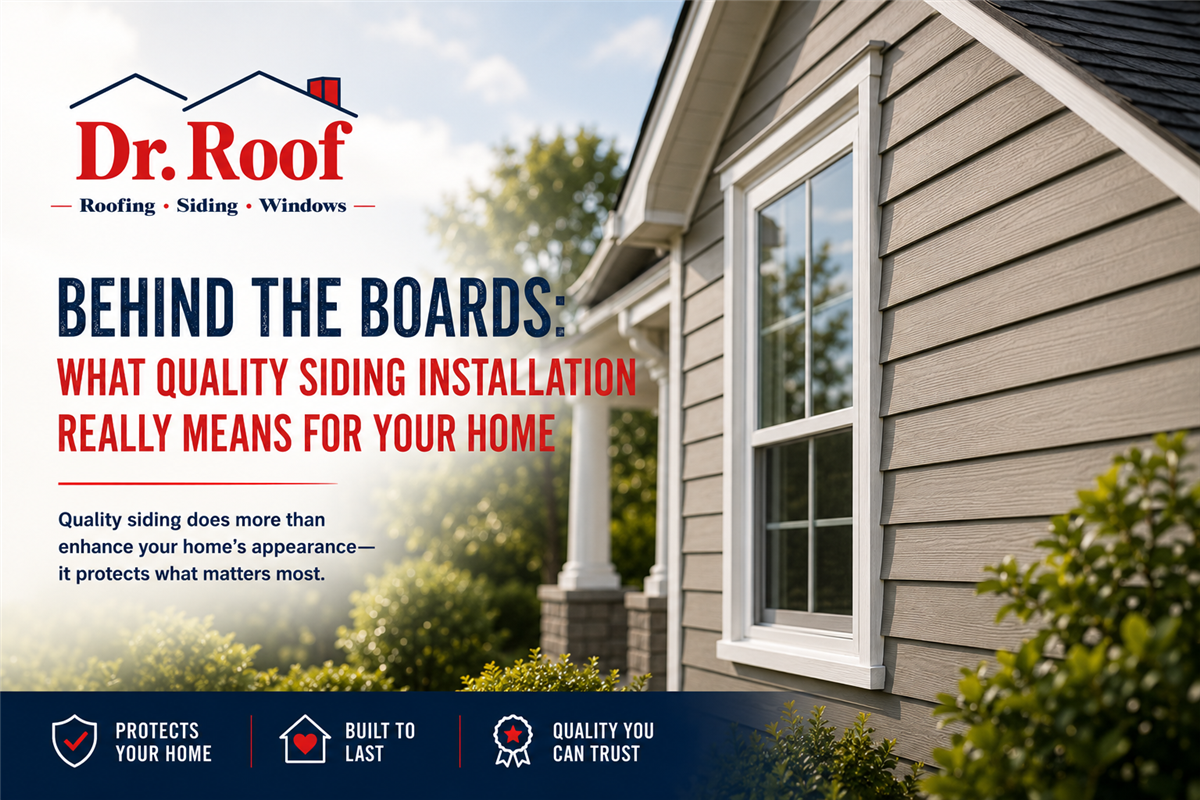
Siding Quality Is About More Than the Material
When homeowners compare siding contractors, it is easy to focus on the visible details: color, style, texture, and price. Those factors matter, but they are only part of the story.
The quality of the siding installation is what determines how well the material performs over time.
Even high-quality siding can fail early if it is not installed correctly. Poor preparation, rushed workmanship, improper sealing, weak flashing, or inadequate moisture protection can lead to warping, leaks, energy loss, and costly repairs.
For Atlanta homeowners, where heat, humidity, heavy rain, and storms can put exterior materials to the test, expert siding installation is essential.
The Myth: All Siding Installations Are Basically the Same
One common misconception is that siding installation is simple and that most contractors will deliver similar results. Homeowners may assume the main difference between bids is price.
In reality, siding installation quality can vary significantly.
A lower bid may leave out important steps such as surface preparation, moisture barrier inspection, flashing details, trim work, cleanup, or warranty support. What looks like savings upfront can sometimes lead to problems later.
True value comes from siding that is installed to protect the home, not just cover it.
Why Poor Siding Installation Causes Problems
Siding is part of your home’s protective exterior system. When it is installed incorrectly, water, pests, and air can find their way into vulnerable areas.
Poor siding installation may lead to:
Moisture behind the siding
Rot or soft sheathing
Warping or buckling
Gaps around windows and doors
Loose panels
Drafts or energy loss
Mold or mildew concerns
Pest entry points
Premature siding replacement
Reduced curb appeal
These issues may not appear immediately. In many cases, installation problems show up months or years later, after repeated exposure to rain, humidity, and temperature changes.
What Quality Siding Installation Should Include
A professional siding installation should go beyond attaching panels to the outside of the home. It should include careful planning, proper preparation, skilled installation, and a final review.
Important steps may include:
Inspecting the existing exterior
Identifying rot, moisture damage, or structural concerns
Preparing the wall surface
Reviewing house wrap or moisture barrier needs
Installing proper flashing around windows, doors, and transitions
Measuring and cutting materials accurately
Allowing for material expansion and contraction
Securing panels correctly
Creating clean seams and edges
Protecting trim details
Cleaning the jobsite
Reviewing the finished work with the homeowner
These details help siding perform as intended and protect the home over time.
Moisture Management Matters
One of the most important parts of siding installation is moisture control. Atlanta’s humid climate and heavy rainfall make this especially important.
Siding should help shed water away from the home, but it must also be installed with the right preparation behind it. Flashing, sealants, house wrap, trim details, and proper drainage all play a role in preventing moisture from becoming trapped.
If moisture gets behind siding and cannot escape, it can lead to rot, mold concerns, damaged sheathing, or interior issues.
Quality installation helps reduce that risk.
Proper Fit and Finish Make a Difference
The finished look of new siding matters, but appearance is also a sign of craftsmanship. Clean lines, even spacing, smooth transitions, secure panels, and well-finished corners all indicate attention to detail.
Homeowners should look for:
Straight siding lines
Clean trim work
Tight but appropriate seams
Smooth transitions around windows and doors
No visible buckling or warping
Secure panels
Properly finished corners
Clean caulking where needed
A tidy final cleanup
A professional installation should look polished and perform properly.
Why Local Experience Matters
Atlanta homes face a specific combination of weather challenges, including heat, humidity, heavy rain, wind, hail, and seasonal storms. A contractor with local experience understands how these conditions affect siding performance.
Dr. Roof has served the Atlanta area since 1988, helping homeowners protect and improve their homes with roofing, siding, gutters, windows, and other exterior services.
That local experience matters when choosing siding materials, planning the installation, and protecting the home from moisture and weather exposure.
Comparing Siding Contractors the Right Way
When comparing siding installation companies, homeowners should look beyond the price and ask what is included in the project.
Helpful questions include:
What siding materials do you recommend for my home?
Will you inspect for moisture damage or rot before installation?
How will windows, doors, and transitions be flashed?
What moisture protection is included?
What is the full scope of work?
Is cleanup included?
What warranty options are available?
How long have you served the local area?
Do you provide a written estimate?
Who should I contact if I have questions during the project?
A trustworthy contractor should explain the process clearly and help homeowners understand the value behind the installation.
The Role of Warranty Options
Warranty protection is an important part of any siding project. Homeowners should understand what coverage may apply to the materials, installation, and workmanship.
A contractor who stands behind the work should be willing to explain warranty options in writing and answer questions before the project begins.
Strong warranty guidance gives homeowners more confidence in the long-term value of the project.
Storm Damage and Siding Installation
Severe weather can damage more than the roof. Wind, hail, and flying debris can affect siding, windows, trim, gutters, and other exterior components.
If siding damage is related to a storm, Dr. Roof can provide photos, written findings, and professional recommendations to help support the insurance claim process. While every policy and claim is different, clear documentation can make the process easier to understand and more organized.
Why Homeowners Choose Dr. Roof for Siding Installation
Dr. Roof helps Atlanta homeowners choose siding solutions that improve curb appeal, support home protection, and provide long-term value.
Homeowners choose Dr. Roof for siding installation because we offer:
Decades of Atlanta-area exterior experience
Professional siding assessments
Clear material guidance
Quality siding installation
Moisture and exterior protection focus
Storm damage documentation support
Strong warranty options
Honest communication
Careful cleanup
A commitment to doing the job right
Our goal is to help homeowners feel confident not only in how their siding looks, but in how it performs.
Invest in Installation That Lasts
New siding should do more than refresh your home’s exterior. It should protect your home from weather, moisture, pests, and everyday wear.
That protection depends on the quality of the installation.
If you are considering new siding for your Atlanta home, do not choose based on price alone. Look for a contractor with local experience, clear communication, proper installation practices, and a commitment to long-term value.
Contact Dr. Roof to schedule a siding consultation and learn how quality installation can help protect and transform your home.
Frequently Asked Questions
Is a low bid on siding installation truly a long-term saving?
Often, a low bid for siding installation can become more expensive in the long run. These bids might cut corners on labor, use lower-grade materials, or lack comprehensive warranties, leading to premature failures, costly repairs, and ultimately, a compromised siding installation quality. Investing in a reputable contractor ensures durability and avoids future expenses.
Can poor siding installation quality void my material warranty?
Yes, absolutely. Most material warranties require adherence to specific installation guidelines. If the siding is installed incorrectly, even the best materials might not perform as expected, and the manufacturer could deny warranty claims due to improper siding installation quality. A certified contractor understands and follows these crucial specifications.
How does a contractor's certification, like GAF Master Elite, impact my siding project's outcome?
A GAF Master Elite certification signifies that a contractor has met stringent standards for training, experience, and customer satisfaction. This ensures their team is highly skilled and knowledgeable in best practices, directly leading to superior siding installation quality, adherence to codes, and a more durable, visually appealing finished product for your home.
What hidden issues should I look for when evaluating siding installation quality beyond aesthetics?
Beyond visual appeal, look for consistent seam alignment, proper flashing around penetrations like windows and doors, correctly installed house wrap, and adequate ventilation. Improper sealing or inadequate fasteners are common hidden issues that can lead to moisture intrusion and structural damage, severely impacting the long-term siding installation quality and performance.
How does Dr. Roof’s “Make-It-Right” guarantee address long-term siding performance concerns?
Our “Make-It-Right” guarantee ensures that if any issue arises with your siding installation that falls under our workmanship, we will address it promptly and effectively. This commitment to customer satisfaction provides unparalleled peace of mind, knowing that your investment in our siding installation quality is backed by a contractor dedicated to resolving any performance concerns.
Subscribe to Dr. Roof's Blog



Comments