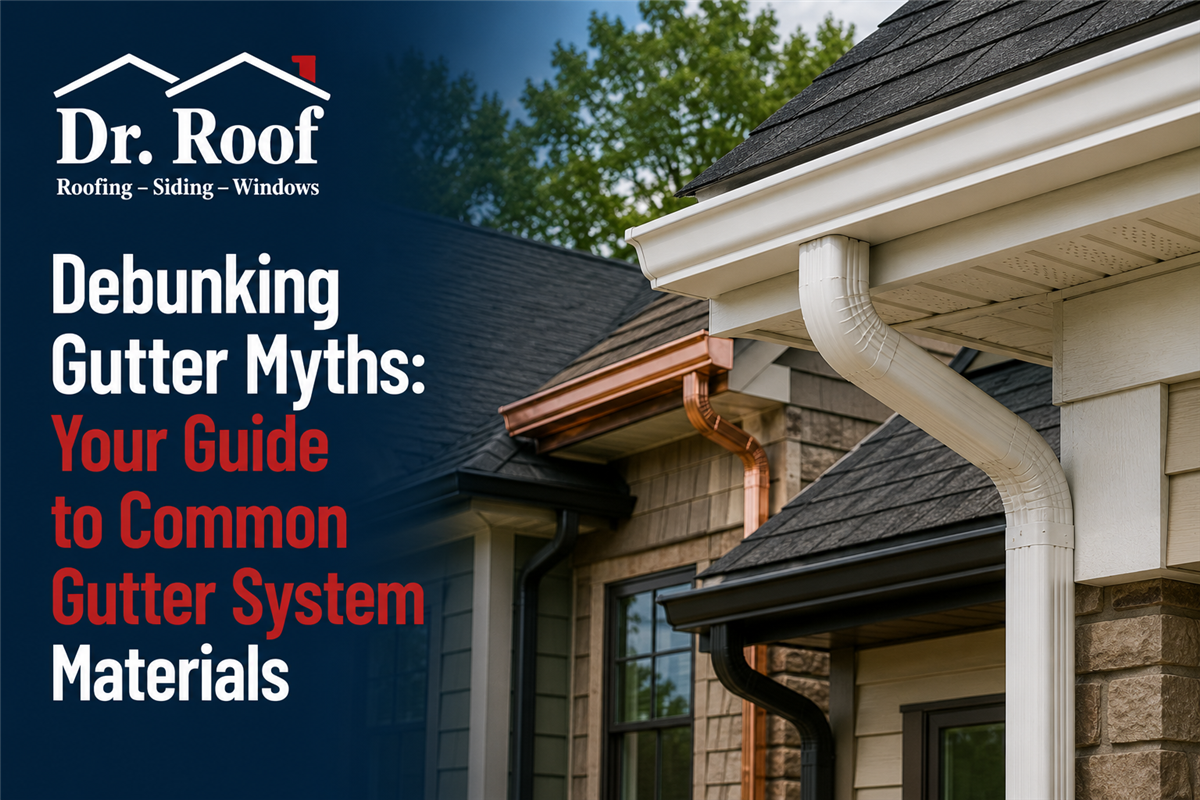
This guide debunks common misconceptions about common gutter system materials, revealing that the "best" choice is highly personalized. It's for Atlanta homeowners seeking expert advice on selecting the right gutters based on budget, climate, and aesthetics, emphasizing informed decisions and reliable installation. Key areas include identifying suitable options and avoiding common pitfalls.
A Client's Gutter Dilemma in Smyrna
I recall a project we undertook in Smyrna during July 2025. A client initially felt pressured by online forums to install premium copper gutters, believing they were the only "lasting" option for their home.
They had heard that other common gutter system materials simply wouldn't hold up over time. This belief can lead to misguided choices and unnecessary expenses, impacting residential and commercial properties alike.
After we presented a comprehensive comparison, including long-term performance in the Atlanta climate, the client recognized something important. Seamless aluminum offered a superior balance for their specific needs, contradicting their initial assumption.
This material choice aligned better with their budget and aesthetic goals. By selecting a high-quality aluminum system, they saved approximately $1,800 on initial installation costs compared to copper.
Furthermore, they still received a robust and beautiful solution, fully backed by our lifetime warranty. This experience clearly demonstrated that informed decisions consistently lead to the most satisfactory outcomes for homeowners.
Challenging the "One Best Gutter" Myth
Many homeowners approaching exterior renovations often believe a pervasive myth. They think one universally 'best' gutter material outperforms all others, regardless of specific needs or climate.
This common belief can lead to misguided choices and unnecessary expenses for residential properties. It overlooks the crucial nuances of proper material selection.
However, as experienced professionals at Dr. Roof serving the Atlanta metropolitan area since 1988, we can confidently state this isn't true. The reality is far more nuanced than a simple 'best' option for everyone.
The ideal choice for your home depends on a thoughtful evaluation of several key factors. It's never a one-size-fits-all solution for your property.
Understanding the characteristics of various common gutter system materials empowers homeowners. This enables truly informed decisions, ensuring long-term protection and aesthetic appeal.
Exploring Common Gutter Material Options
The most common gutter system materials include aluminum, vinyl, steel, copper, and zinc. Each option possesses distinct advantages and disadvantages, making them suitable for different situations.
Homeowners must consider these variations carefully to avoid costly mistakes. An informed decision can save significant time and money in the long run.
Aluminum gutters are exceptionally popular, primarily because they are lightweight, rust-resistant, and relatively affordable. They come in a wide array of colors, making them easy to match your home's exterior aesthetic.
Aluminum is also highly customizable, often installed as seamless sections, which minimizes leaks and enhances durability. Most Atlanta area homeowners find aluminum to be an excellent, practical choice.
It offers significant longevity without excessive cost or maintenance burdens. This makes it a balanced and reliable option for many residences.
Vinyl gutters represent another economical option and are relatively easy to install. This makes them attractive for do-it-yourself enthusiasts seeking a low-cost solution.
However, vinyl can become brittle and crack in extreme temperature fluctuations, a concern in areas with hot summers and cold winters. Our experience shows vinyl often has a shorter lifespan.
This shorter lifespan compared to other common gutter system materials may require more frequent repairs or replacements over time. It's a trade-off between initial cost and long-term durability.
Steel gutters, typically galvanized or stainless steel, offer superior strength and durability. They are highly resistant to dents and bending, ideal for areas with heavy impacts or significant snow loads.
Galvanized steel, however, can be susceptible to rust if its protective zinc coating is scratched. Stainless steel is a premium, highly resistant option with a higher cost.
Its cost often makes it less common for typical residential applications. Homeowners usually weigh the upfront investment against its impressive long-term resilience.
Copper gutters are perhaps the most visually striking and durable of all common gutter system materials. They develop a beautiful patina over time, adding significant curb appeal and value.
Copper is exceptionally resistant to corrosion and does not require painting. However, its high material cost and specialized installation requirements make it a premium investment.
While providing incredible longevity, copper is often chosen more for its aesthetic value. Its functional superiority over other robust options is not always the sole deciding factor.
Zinc gutters, while less common, offer a compelling alternative for those seeking durability and a unique look. Similar to copper, zinc develops a natural patina, providing additional protection.
These gutters are incredibly long-lasting and resistant to corrosion, performing well in various climates. However, the initial cost of zinc is higher than aluminum.
Specialized welding may also be required for installation, making it more of a professional-grade solution. This ensures proper fitting and enduring performance.
Overcoming Misconceptions: A Tailored Approach
Choosing the right gutter material requires a systematic approach. Many homeowners mistakenly pick a material based solely on initial cost, overlooking crucial long-term factors.
This oversight can lead to premature failure or dissatisfaction down the line. A thorough evaluation helps ensure your investment protects your home effectively for decades.
To make the most suitable choice, consider these essential steps. They move beyond basic cost to encompass comprehensive factors.
First, determine your realistic financial investment for both materials and installation. Remember, higher upfront costs for materials like copper might lead to longer lifespans and less maintenance.
This potentially saves money in the long run, making the initial investment worthwhile. Always consider the total cost of ownership.
Next, evaluate the typical weather conditions in your Atlanta location. Heavy rainfall, strong winds, and temperature extremes directly affect material performance.
Vinyl, for instance, might struggle with significant temperature swings. Stronger metals like steel offer greater resilience to storm damage.
Think about how the gutters will complement your home's architectural style and color scheme. Aluminum provides many color options to match any exterior.
Copper and zinc offer distinct, natural aesthetics that develop a beautiful patina over time. The right choice enhances your home's overall curb appeal.
Research the maintenance needs for each material before committing. Some, like aluminum, require minimal upkeep beyond occasional cleaning.
Others, such as galvanized steel, might need more attention to prevent rust if scratched. Consider your willingness to invest time and effort in maintenance.
Finally, engage with a reputable contractor like Dr. Roof. We can provide personalized recommendations based on our extensive experience with common gutter system materials in the Atlanta area.
Our team guides clients through options from robust aluminum systems to durable copper installations. This ensures the best fit for their home and budget, and expert advice is crucial for long-term satisfaction.
Key Lessons for Lasting Gutter Protection
Ultimately, the 'best' common gutter system materials are those that perfectly align with your budget, climate, aesthetic desires, and maintenance expectations. There is truly no single answer for every homeowner.
Instead, an informed decision, guided by expert advice, always yields the most satisfactory results. This ensures enduring protection for your property.
Understanding these choices prevents common pitfalls and ensures lasting home protection. Always seek guidance from trusted, experienced professionals.
These experts prioritize your home's unique needs, offering tailored solutions. This personalized approach safeguards your investment in new gutter systems effectively.
Safeguarding Your Home with Dr. Roof
Choosing the right gutter material is a critical decision, but it doesn't have to be overwhelming. By debunking common myths and focusing on your home's unique requirements, you can make an informed choice that offers lasting protection. Remember, a tailored solution, especially when guided by experts like Dr. Roof, will always outperform a generic one, ensuring your investment truly safeguards your property effectively.
Frequently Asked Questions
Does expensive always mean best for common gutter system materials?
No, this is a common misconception. While materials like copper are more expensive and durable, the "best" material depends on your specific budget, climate, and aesthetic preferences. High-quality aluminum, for example, can offer excellent performance and longevity at a more affordable price point for many Atlanta homeowners.
Is one gutter material truly "maintenance-free"?
No material is truly maintenance-free. While some common gutter system materials like seamless aluminum require less maintenance than others, all gutters need occasional cleaning and inspection to ensure proper drainage. Gutter guards can significantly reduce maintenance, but regular checks are still advisable to prevent clogs and ensure system integrity.
How does Atlanta's climate influence the "best" gutter material choice?
Atlanta's climate, with its heavy rainfall and occasional temperature fluctuations, heavily influences the ideal gutter material. Materials like vinyl may become brittle in extreme cold, while galvanized steel needs careful installation to prevent rust from moisture. Durable options like seamless aluminum or steel tend to perform very well, offering resilience against local weather conditions.
Are DIY gutter material installations as durable as professional ones?
Not typically. While DIY might save on immediate costs, professional installation ensures proper slope, secure fastening, and seamless integration, which are critical for long-term durability and effective water drainage. Incorrect DIY installation of common gutter system materials can lead to leaks, sagging, and premature failure, costing more in repairs down the line.
Can I mix different common gutter system materials on my home?
Generally, it's not recommended to mix different gutter materials on the same system. This can lead to galvanic corrosion, especially when dissimilar metals like aluminum and copper come into direct contact. It's best to choose one compatible material for your entire gutter system to ensure optimal performance and longevity for your home.
Subscribe to Dr. Roof's Blog





Comments