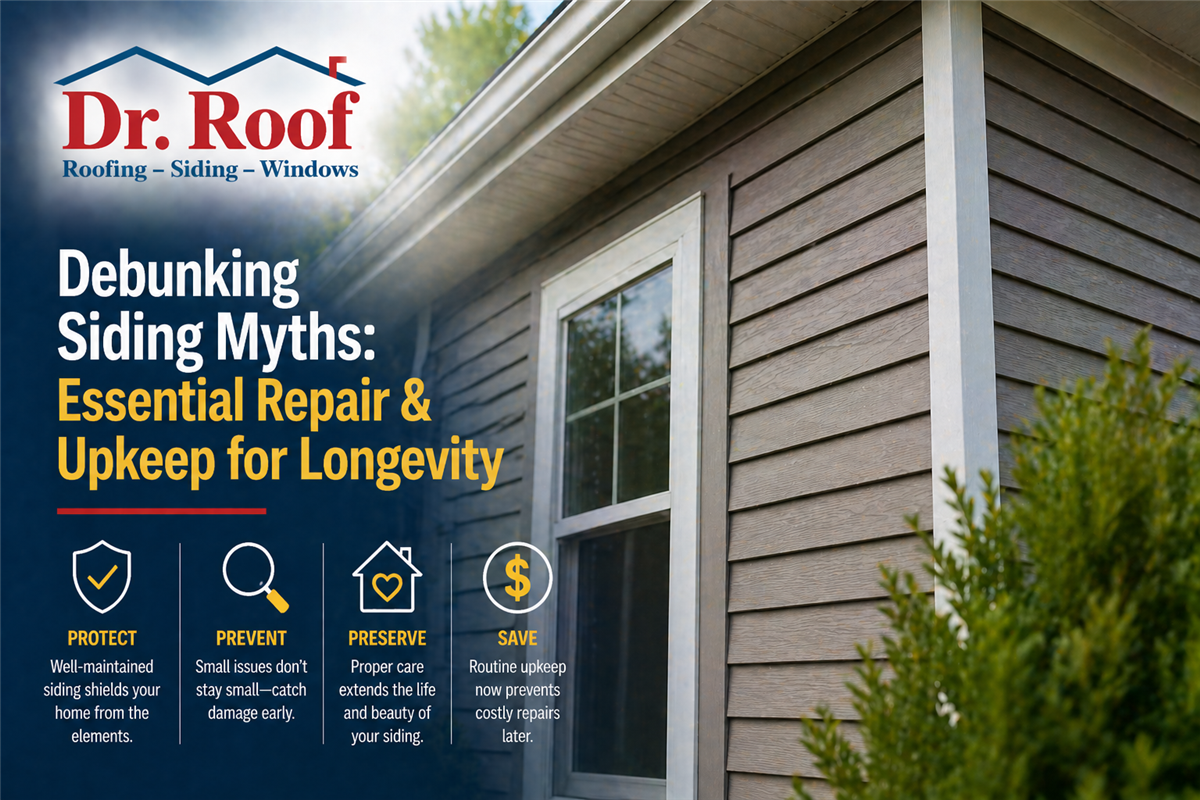
This guide explains why proactive residential siding repair and upkeep are vital for homeowners, debunking the myth that siding is maintenance-free. It's essential for protecting your property's value and structural integrity.
Learn about essential siding care and when professional siding installation or repair is necessary. This post offers actionable advice and insights for achieving superior home exteriors.
Executive Summary: Proactive Siding Care Delivers Long-Term Value
Many homeowners believe that siding is a "set-it-and-forget-it" feature once installed. However, this common misconception can lead to significant and costly issues over time. Neglecting regular inspection and maintenance inevitably compromises a home's protection and curb appeal.
Understanding best practices for residential siding repair and ongoing upkeep is crucial. It's not just about aesthetics, but about preserving your home’s structural integrity and its long-term value, as demonstrated by successful interventions.
Background: The Costly Myth of Maintenance-Free Siding
Ignoring small cracks, loose panels, or discoloration might seem harmless at first. Yet, these seemingly minor problems can quickly escalate into serious issues like water intrusion, pest infestations, and accelerated material degradation.
Proactive maintenance is consistently less costly than extensive repair or a complete new siding installation. Our decades of experience in the Atlanta community confirm that a small amount of attention now can prevent significant trouble and expense later.
The Challenge: Debunking Common Siding Misconceptions
A prevalent myth suggests that modern siding, even durable vinyl or fiber cement, is practically indestructible. Despite their resilience, these materials are not immune to the relentless Georgia weather, including harsh sun, heavy rains, high winds, and hail.
Regular visual inspections serve as your primary defense against these elements, helping to catch issues before they become emergencies. This proactive approach significantly contributes to the longevity and overall effectiveness of your home's exterior protection.
Another common belief is that a simple garden hose cleaning suffices for siding upkeep. While routine cleaning improves aesthetics, it often fails to identify underlying structural issues or potential vulnerabilities that compromise your home's integrity.
A thorough examination requires looking beyond surface dirt to detect subtle signs of wear, warping, or moisture penetration. This critical step in proper residential siding repair involves understanding what to look for and recognizing when professional intervention is truly necessary.
The Approach: Identifying Hidden Dangers in North Atlanta
In late March 2025, a long-standing client in North Atlanta contacted us about peeling paint on their wood siding. They initially believed it was a minor cosmetic fix, easily manageable on their own. However, our closer inspection revealed a more serious issue.
We discovered extensive dry rot hidden beneath the surface near their chimney, likely caused by an unnoticed, persistent gutter overflow. What appeared to be a small paint problem was, in fact, a clear indicator of a much larger and more insidious underlying structural issue.
Implementation: A Comprehensive Siding Restoration
Upon identifying the severity of the damage, we promptly developed a comprehensive residential siding repair plan. The project involved carefully removing the compromised siding sections and thoroughly treating the underlying structure for moisture.
We then seamlessly integrated new siding panels, ensuring the repair blended perfectly with the existing structure and provided lasting protection.
This meticulous process was completed in approximately two and a half weeks, demonstrating our commitment to thorough and efficient workmanship. Every step was taken to ensure both immediate restoration and long-term durability.
Results: Preventing Significant Future Costs
The outcome of this residential siding repair project was twofold: a beautifully restored exterior and the prevention of substantial future expenses. Our timely intervention averted an estimated $3,500 in potential structural damage to the wall framing and insulation.
Such damage would have been far more disruptive and costly if left unaddressed, requiring extensive repairs later. This case perfectly illustrates how a homeowner's proactive call, even for what seemed like a 'minor' issue, saved them significant headaches and expense.
Key Takeaways: Essential Siding Inspection Practices
A detailed visual inspection process is key for homeowners performing basic upkeep. This simple approach empowers you to effectively monitor your siding's condition, identifying issues before they worsen.
Begin with a perimeter walk-around of your home’s exterior at least twice a year, ideally in spring and fall. Look for anything out of the ordinary, paying close attention to areas around windows, doors, and rooflines.
Over time, you’ll start noticing small details that might have previously been overlooked. This diligence helps you catch minor problems before they escalate.
Next, examine siding panels up close for cracks, chips, warping, or buckling. Focus on seams and corners where panels meet, as any separation can provide an entry point for moisture or pests.
This close inspection helps pinpoint specific areas needing attention. It allows for targeted intervention and prevents further damage.
Also, check for discoloration or stains, such as green or black marks, which often indicate mold, mildew, or algae growth. Rust stains can signal problems with fasteners or nearby metal components.
Early identification prevents deeper material damage and protects your home. Differentiating between normal weathering and problematic stains is crucial.
Inspect sealants and caulking around windows, doors, and vents for cracks, gaps, or deterioration. Compromised caulk leaves your home vulnerable to water intrusion.
Resealing these areas is a straightforward repair that prevents significant damage. It ensures your sealants remain smooth, intact, and free of visible gaps.
Finally, look for any loose or missing pieces, which can occur due to high winds or impact. Missing panels expose your home's underlayment to the elements, demanding immediate attention.
Ensuring all panels are securely fastened maintains the integrity of your exterior envelope. This ensures all siding appears uniform and tightly secured to the house.
Understanding common types of siding damage is equally crucial. Cracks, initially cosmetic, can deepen and allow water infiltration.
Warping or buckling often indicates heat stress or moisture absorption, compromising the siding's protective seal. Even fading, while sometimes just cosmetic, can signal material breakdown in older siding.
Addressing these issues promptly is vital to prevent minor repairs from escalating into costly structural problems or premature new siding installation.
How to Apply: When to Call the Professionals
When your visual inspections uncover issues beyond basic cleaning or recaulking, professional expertise becomes indispensable. Attempting complex residential siding repair without the correct knowledge or tools can often exacerbate the problem, potentially voiding warranties or causing more damage.
Dr. Roof emphasizes a "Make-It-Right" guarantee, reflecting our deep understanding of exterior protection nuances. Our GAF Master Elite certification further demonstrates our commitment to superior craftsmanship and industry-leading techniques, whether for minor repairs or a complete siding installation.
Choosing a professional like Dr. Roof ensures your residential siding repair is handled with integrity and extensive experience. We offer comprehensive storm damage assistance, working directly with insurance companies to ease the burden on homeowners during challenging times.
Furthermore, Dr. Roof provides flexible financing options making essential home improvements more accessible. With over 30 years of local industry experience, we are profoundly committed to the well-being and satisfaction of our community members.
Frequently Asked Questions
What is residential siding repair and why is it important?
Residential siding repair involves fixing or replacing damaged sections of your home's exterior cladding. It is crucial because siding protects your home from weather, pests, and moisture, maintaining structural integrity and insulation. Neglecting repairs can lead to widespread damage, mold, and costly issues.
How often should I inspect my siding for damage?
It is recommended to visually inspect your siding at least twice a year, ideally in the spring and fall. Conduct a thorough walk-around, checking for cracks, warping, discoloration, or loose panels. After any significant weather event, an additional inspection is always a wise practice.
What makes professional siding installation crucial for durability?
Professional siding installation ensures proper material handling, correct flashing techniques, and adherence to manufacturer specifications, which are all critical for long-term durability and weather resistance. Experts possess the tools and knowledge to install siding effectively, preventing common issues like moisture intrusion and premature wear.
What common mistakes should I avoid with siding upkeep?
Avoid using high-pressure washers too closely, as this can damage siding. Do not neglect minor issues like small cracks or loose pieces, as they can quickly worsen. Also, ensure proper ventilation around your home to prevent moisture buildup behind the siding, which can lead to rot and mold.
Does Dr. Roof offer financing for significant siding projects?
Yes, Dr. Roof understands that significant siding projects can be an investment. We offer various financing options to help homeowners manage the costs of essential residential siding repair or new siding installation, ensuring your home gets the care it needs without undue financial strain.
Subscribe to Dr. Roof's Blog





Comments