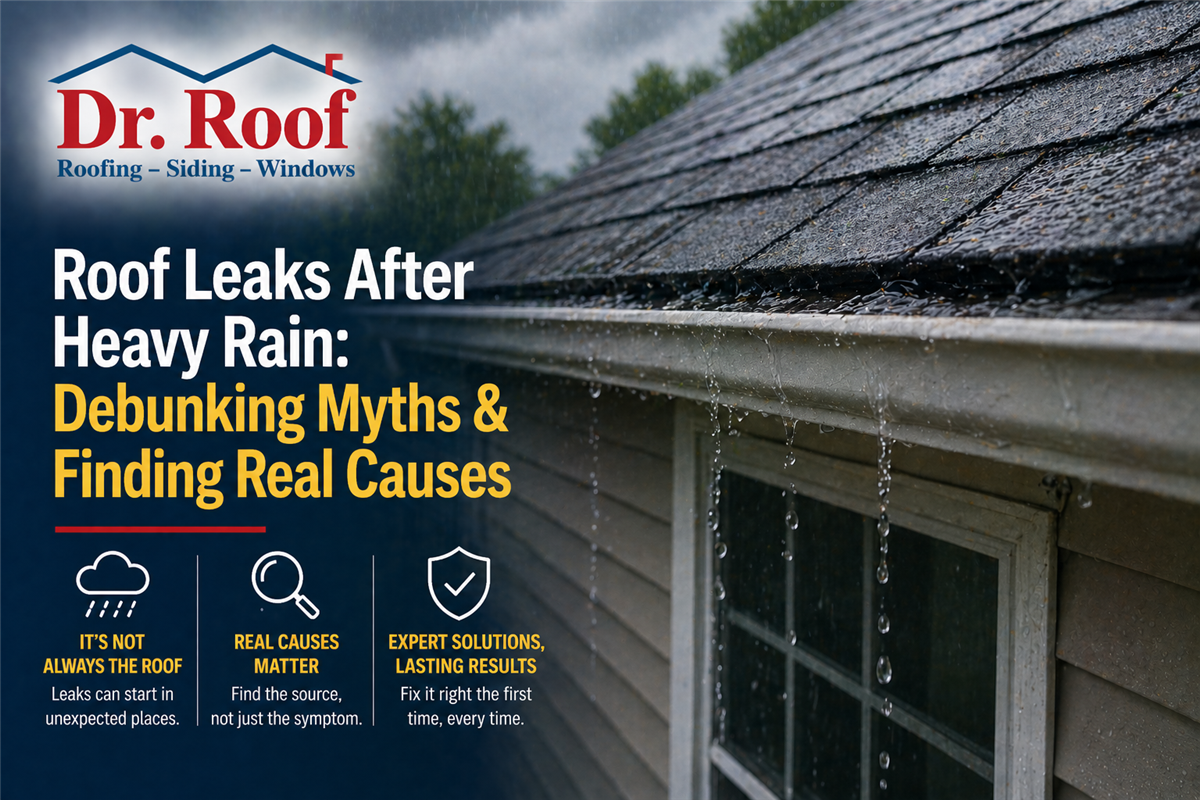
This article helps Atlanta homeowners understand the complex causes of roof leaks after heavy rain, challenging common misconceptions and offering expert insights. It's for anyone experiencing or concerned about storm damage, providing practical steps and emphasizing professional storm restoration to protect your home effectively.
Understanding the Challenge of Roof Leaks
When heavy rain hits the Atlanta metropolitan area, many homeowners dread the tell-tale drip of a leak. Often, people assume a significant hole or visible damage is the sole culprit behind roof leaks after heavy rain.
The Hidden Impact of Persistent Leaks
It's a common misconception that severe leaks always stem from obvious, massive roof damage. In truth, many persistent leaks originate from subtle, often hidden issues that only become apparent under extreme weather conditions.
Understanding these underlying causes is crucial for effective storm restoration. Addressing these issues promptly is essential.
Uncovering the True Causes of Roof Leaks
One primary factor contributing to roof leaks after heavy rain involves compromised flashing. Flashing, typically made of metal, seals the seams around chimneys, skylights, vents, and wall junctions.
If this critical barrier is bent, corroded, or improperly installed, water can seep directly into your home. This type of vulnerability is frequently exploited by strong winds and driving rain during severe storms.
Another significant cause is damaged or missing shingles. While a large section of missing shingles is easy to spot, even a few cracked, curled, or uplifted shingles can create channels for water infiltration.
Heavy rain, especially when wind-driven, can force water under these compromised areas. This often goes unnoticed until extensive damage occurs, leading to more extensive damage over time.
Clogged gutters and downspouts also play a surprisingly large role in roof leaks after heavy rain. When gutters are blocked by leaves and debris, rainwater cannot drain properly.
Consequently, it pools along the edge of the roof, often backing up under the shingles and fascia, ultimately finding its way into your attic or walls. This issue becomes particularly acute during prolonged downpours.
Damaged vent boots and pipe collars are silent culprits as well. These rubber or metal seals around plumbing vents, exhaust fans, and electrical conduits can degrade over time due to UV exposure and weather.
Cracks or loose seals allow water to run directly along the pipe into the ceiling below, causing significant interior damage. This type of leak may only manifest during intense storms, making diagnosis tricky.
Sometimes, improper previous repairs can lead to recurring roof leaks after heavy rain. An inexperienced repair might temporarily patch a problem without addressing the root cause, leading to eventual failure.
Dr. Roof's experienced team finds that diagnosing a persistent leak can be like solving a complex puzzle. Our team recalls a challenging storm restoration project in Midtown Atlanta in February 2026.
The homeowner reported intermittent leaks only during the heaviest rainfalls, yet initial visual inspections showed no obvious damage. After we performed a comprehensive water test, we discovered hairline cracks in the step flashing around a dormer that were almost invisible to the naked eye.
Repairing this subtle defect saved the homeowner from an estimated $1,200 in potential interior ceiling damage that would have developed within two months. Quality craftsmanship is paramount to preventing these repeat problems.
Attic condensation, though not a direct roof leak, can often be mistaken for one. Poor attic ventilation can trap warm, moist air, which condenses on the underside of the cold roof sheathing.
This accumulated moisture can then drip down, mimicking the appearance of a leak. It’s vital to distinguish between true water intrusion and condensation for effective remediation.
The integrity of skylights and windows within the roof structure is equally important. If not properly sealed or installed, or if their seals have deteriorated, these openings become prime entry points for water.
Heavy rain puts immense pressure on these vulnerable points, quickly revealing any weaknesses in their waterproofing. Proper installation and routine checks are key to preventing such issues.
A Systematic Approach to Leak Resolution
The process of addressing roof leaks after heavy rain requires a systematic approach. Homeowners should take specific steps when they suspect a leak to minimize damage and ensure effective repairs.
Step-by-Step: Addressing a Suspected Leak
Document the Leak: Take photos and videos of the leak, noting its location and any visible damage. This documentation is invaluable for insurance claims and professional assessment.
Contain the Water: Place buckets or towels to minimize interior damage. If safe, move furniture and belongings away from the affected area.
Call a Professional: Contact a reputable roofing contractor specializing in storm restoration. Timely professional intervention is crucial to prevent further damage and accurately identify the source.
Avoid DIY Roof Climbing: Never attempt to climb onto a wet or damaged roof yourself. It's incredibly dangerous and can cause further damage. Leave roof inspections to trained professionals.
Prepare for Insurance: Gather your home insurance policy details. A professional storm damage assistance team, like Dr. Roof, can guide you through the claims process.
Ensuring Lasting Protection: Key Principles
Engaging a GAF Master Elite Certified Contractor like Dr. Roof provides peace of mind. Our team, with over 30 years of local industry experience, is equipped to accurately diagnose complex roof leaks after heavy rain and implement lasting solutions.
We pride ourselves on quality craftsmanship and integrity, ensuring customer satisfaction with every project. We understand the stress that comes with unexpected roof damage, which is why our comprehensive storm damage insurance assistance can streamline the claims process for you.
Furthermore, we offer industry-leading lifetime labor and material warranties, providing unparalleled protection for your investment. This commitment to durability means you won't have to worry about future roof leaks after heavy rain.
Proactive Measures: Avoiding Future Leaks
Ultimately, preventing and repairing roof leaks after heavy rain requires more than just a quick patch. It demands a thorough understanding of roofing systems, meticulous inspection, and expert repair techniques.
Our "Make-It-Right" guarantee ensures that we stand behind our work, providing reliable, expert service to the Atlanta community. For what to do next after discovering a roof leak, always prioritize professional assessment.
Secure Your Home: The Value of Expert Restoration
Don't let unexplained roof leaks after heavy rain undermine the safety and value of your home. Trust Dr. Roof's experienced professionals for all your storm restoration needs. We also provide flexible financing options to make essential repairs accessible.
Frequently Asked Questions
What causes roof leaks after heavy rain?
Roof leaks after heavy rain often stem from issues like compromised flashing around roof penetrations, damaged or missing shingles, and clogged gutters causing water backup. Other common culprits include deteriorated vent boots, improper previous repairs, and even hidden attic condensation.
How long does it take to repair a roof leak after storm damage?
The time to repair a roof leak after storm damage varies significantly depending on the severity and complexity of the issue. Minor repairs might take a few hours, while extensive damage requiring full storm restoration could extend to several days or even weeks. A thorough professional assessment is needed for an accurate timeline.
What makes professional storm restoration effective?
Effective storm restoration relies on thorough damage assessment, quality craftsmanship, and expert navigation of insurance claims. Professionals use their extensive experience and GAF Master Elite certification to identify all damage, ensure proper repairs, and provide robust warranties for lasting protection.
What mistakes should I avoid with a leaking roof?
When dealing with a leaking roof, avoid attempting DIY repairs, as this can be dangerous and worsen damage. Also, do not delay calling a professional, as even small leaks can lead to significant structural problems over time. Neglecting to document the damage for insurance purposes is another common mistake.
How do GAF Master Elite contractors handle roof leak repairs?
GAF Master Elite contractors approach roof leak repairs with a commitment to high standards. They conduct detailed inspections to pinpoint the leak's source, utilize premium GAF materials, and apply expert installation techniques. Their process includes comprehensive storm damage assistance and is backed by labor and material warranties, ensuring superior, long-term solutions for homeowners.
Subscribe to Dr. Roof's Blog






Comments