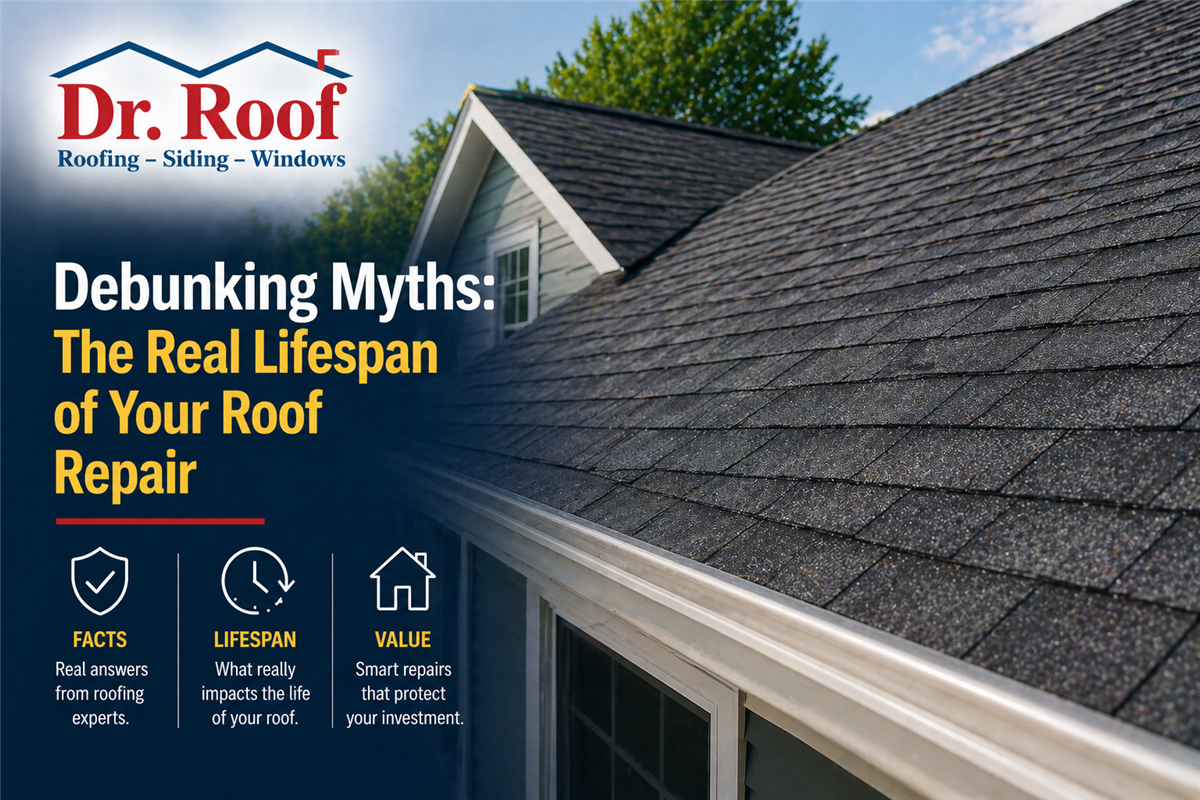
This article provides Atlanta homeowners with expert insights into the true roof repair patch lifespan, debunking common misconceptions. It’s for anyone seeking reliable information on how long various roof patches truly last, emphasizing Dr. Roof’s commitment to quality craftsmanship and thorough assessment for lasting roof protection.
Understanding Roof Repair Lifespan
Homeowners often grapple with unexpected roof damage, and a common first thought is to seek a quick fix with a simple patch. While roof repair patches can offer immediate relief, understanding their true roof repair patch lifespan is crucial.
Many believe a patch offers a permanent solution, but in reality, its longevity varies significantly based on numerous factors. This challenges the idea of a universal, long-term fix for your roofing issues.
Key Factors Influencing Patch Durability
The effectiveness of a roof repair depends heavily on the type of material used, the extent of the original damage, and the quality of the installation. These elements are critical for long-lasting results.
For instance, a small, superficial crack patched with roofing cement might last anywhere from a few months to a couple of years. These short-term solutions are often temporary measures, designed to buy time before a more comprehensive repair or replacement.
Our experience shows that these types of patches, if not installed with precision, can fail quickly under Atlanta’s diverse weather conditions. This often leads to recurring issues and further complications.
Understanding Different Patch Lifespans
Asphalt shingles, a common roofing material, often see patches made from cut shingle pieces or a combination of sealant and granules. When properly applied by an experienced professional, such a patch might extend the life of a specific area by three to five years.
This extended patch longevity relies on meticulous layering and proper sealing to prevent water infiltration. Without this detailed approach, the patch can quickly lift, crack, or become brittle, undermining its protective function.
The key to maximizing this roof patch durability lies in selecting compatible materials and ensuring a watertight seal against expansion and contraction. Dr. Roof's GAF Master Elite certification means we approach every repair with the highest standards, ensuring optimal results even for complex metal roofing.
In contrast, patches involving liquid rubber or elastomeric coatings on flat or low-slope roofs can offer considerable repair patch life expectancy. These applications, when correctly applied over a cleaned and prepared surface, can last five to ten years.
Their flexibility and seamless finish provide excellent protection against water ponding and UV degradation. However, inadequate surface preparation or a hasty application will drastically reduce their effective lifespan, leading to premature deterioration.
Critical Factors for Long-Term Roof Health
Several critical factors significantly influence a roof repair patch’s lifespan. The initial extent of the damage is paramount, as patching over extensive structural issues or widespread deterioration is rarely effective long-term.
Similarly, the quality of the repair materials used directly impacts durability. Using inferior sealants or mismatched components can compromise the entire patch, leading to early failure.
Our commitment to quality craftsmanship at Dr. Roof means we only use top-grade materials, matching them precisely to your existing roof. This ensures the best possible outcome for your home.
The expertise of the installer is perhaps the most significant determinant of a patch’s effectiveness. Proper preparation of the surface, correct application techniques, and thorough sealing are indispensable.
An experienced roofing contractor understands how different materials react to weather, temperature fluctuations, and structural movement. They also recognize when a patch is no longer a viable solution and a larger section replacement is necessary.
Weather conditions also play a substantial role in patch longevity. Atlanta’s climate, with its humid summers, freezing winters, and frequent severe storms, puts considerable stress on roofing materials.
UV radiation, heavy rains, strong winds, and hail can accelerate the breakdown of even well-installed patches. Regular roof maintenance Atlanta homeowners perform, such as clearing debris and checking for minor issues, can help prolong a patch’s life, but professional inspections are vital.
Avoiding Common Repair Pitfalls
A common mistake homeowners make is opting for the cheapest fix without fully understanding its longevity or the underlying issues. Do not ignore minor leaks, assuming a small patch will solve deep-seated problems.
Consider a situation we encountered in early 2026. A client in Marietta called us after noticing persistent leaks despite having had a storm damage repair on their asphalt shingle roof just five months prior by another company.
Upon inspection, we discovered the previous contractor had used a generic tar-based sealant over visibly damaged shingles. Our team identified not just the surface damage but also underlying rot in the decking.
We then removed the improperly applied patch, replaced the affected decking, and installed new GAF shingles, ensuring a seamless, watertight integration. This comprehensive approach guaranteed the repair would last for another fifteen to twenty years.
This prevented future issues and saved the client significant money in the long run compared to continuous temporary fixes. It highlighted how a hasty, superficial patch can result in wasted resources and ongoing problems.
The Dr. Roof Professional Assessment Process
Recognizing the difference between a patch that will last and one that is merely a temporary bandage requires a keen eye. Our process for evaluating the effectiveness and anticipated roof repair patch lifespan is thorough and transparent.
Here’s what a professional assessment by our certified inspectors entails, ensuring you understand the true condition of your roof:
We start with a comprehensive visual check of the entire roof from the ground and then safely from the roof itself. This initial step helps identify obvious signs of damage or mismatched patches.
Our GAF Master Elite certified inspectors then carefully examine the specific area requiring a patch. This involves looking for water stains, lifted shingles, and checking for soft spots or underlying structural damage.
We assess the existing roofing material to ensure any proposed patch materials will be compatible and create a durable bond. Mismatched materials are a common cause of premature patch failure.
Based on our findings, we provide a detailed plan outlining the best course of action, including a realistic estimate of the anticipated roof repair patch lifespan. You'll understand the benefits and limitations of each approach.
After the repair is complete, we perform a final inspection to ensure the patch is watertight, aesthetically integrated, and meets our rigorous quality standards. This guarantees craftsmanship and provides peace of mind.
Your Next Steps for a Durable Roof
Ultimately, a roof repair patch is a targeted intervention, not a full roof overhaul. The expected roof repair patch lifespan varies widely, making professional guidance indispensable. We at Dr. Roof always recommend a thorough inspection to determine the most cost-effective and durable solution, ensuring lasting quality and protecting your investment.
Frequently Asked Questions
What is roof repair patch lifespan and why does it matter?
Roof repair patch lifespan refers to how long a specific patched area of a roof is expected to remain effective and watertight. Understanding this is crucial because it helps homeowners make informed decisions about whether a patch is a viable long-term solution or a temporary fix, impacting future maintenance and potential costs.
How long do different types of roof repair patches typically last?
The durability varies significantly. Simple asphalt cement patches might last only a few months to two years. Well-applied shingle patches can last three to five years. Liquid rubber or elastomeric coatings on flat roofs can also last five to ten years when properly installed, based on our extensive experience.
What factors make a roof repair patch effective or ineffective?
An effective patch relies on several factors, including the initial condition of the damaged area, the quality and compatibility of repair materials, and the installer’s expertise. Ineffectiveness often stems from superficial repairs, poor surface preparation, or using materials unsuited for the roof type or climate.
What common mistakes should I avoid when considering roof repair patches?
Avoid opting for the cheapest fix without understanding its longevity or underlying issues. Do not ignore minor leaks, assuming a small patch will solve deep-seated problems. Also, avoid attempting DIY patches without proper knowledge and materials, as this often leads to more costly damage down the line.
When is replacing a roof section better than just a patch?
Replacing a roof section is better when the damage is extensive, involves underlying structural components like decking, or indicates widespread material deterioration. If a patch provides only a short-term solution for a recurring problem, a section replacement offers a more durable and cost-effective long-term solution.
Subscribe to Dr. Roof's Blog



Comments