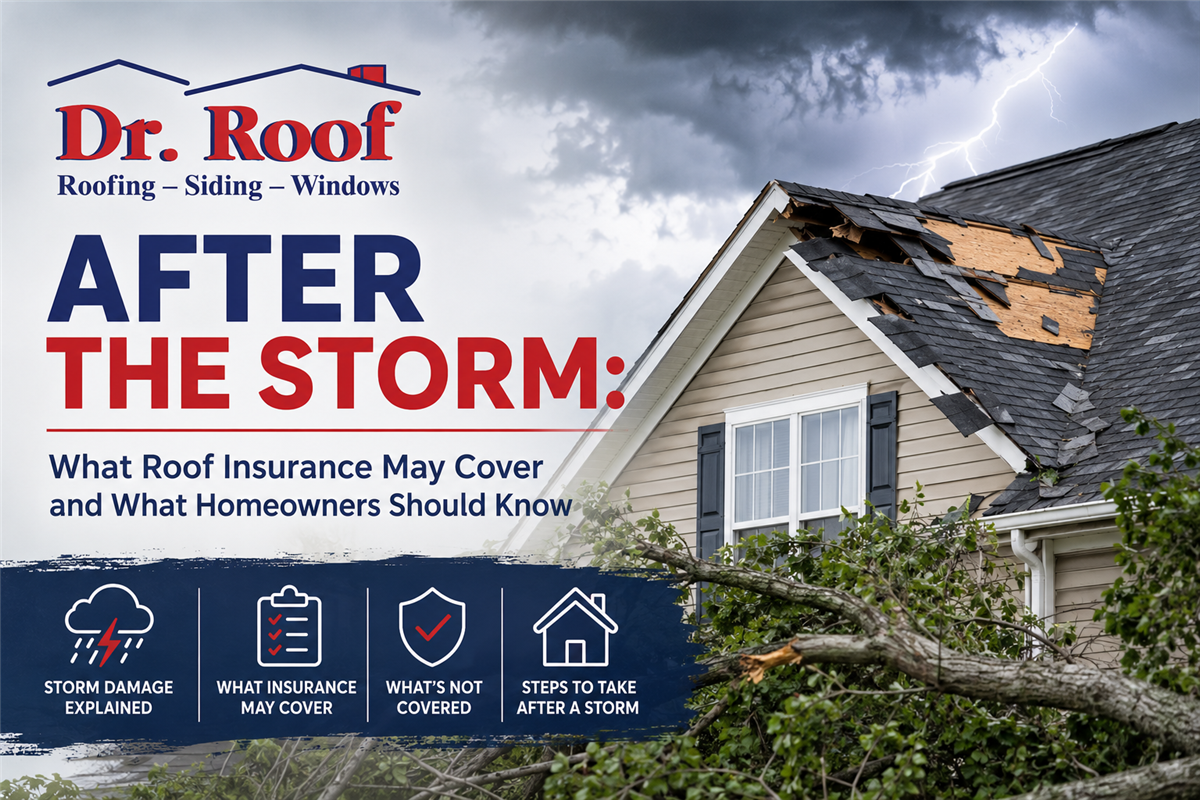
This guide helps homeowners better understand what storm damage roof insurance may cover, what factors can affect a claim, and why professional roof documentation matters after severe weather. For Atlanta homeowners dealing with wind, hail, falling debris, or storm-related roof concerns, clear information can make the claims process feel less overwhelming and help support the path toward proper roof repair or replacement.
Unmasking the Truth About Storm Damage Roof Insurance
When severe weather moves through the Atlanta metropolitan area, many homeowners look to their insurance policy for reassurance. It is common to assume that all storm-related roof damage will automatically be covered.
The reality is more detailed.
Storm damage roof insurance coverage depends on your specific policy, the type of damage, the age and condition of the roof, your deductible, policy exclusions, and how the damage is documented.
Some policies may cover direct physical damage caused by wind, hail, lightning, or falling trees. However, coverage decisions are ultimately made by the insurance company based on the policy terms and the details of the claim.
Understanding this early can help homeowners avoid confusion and make more informed decisions after a storm.
Essential Policy Knowledge Before a Claim
Understanding your policy means looking beyond the fact that you have homeowners insurance. It is important to know what types of storm damage may be covered, what your deductible is, and whether your policy includes any limitations or exclusions.
Roof damage related to sudden events may be treated differently from damage related to age, wear and tear, poor maintenance, or long-term deterioration.
A professional roof inspection can help identify visible and hidden damage, but your insurance policy determines what may be covered.
Homeowners should review their policy carefully and ask their insurance provider questions about:
Wind damage
Hail damage
Falling tree or debris damage
Roof leaks after storms
Cosmetic damage exclusions
Actual Cash Value coverage
Replacement Cost Value coverage
Deductibles
Claim deadlines
Documentation requirements
Having this information before filing a claim can help reduce uncertainty.
Avoiding Costly Misconceptions in Your Claim
One of the biggest misconceptions about storm damage roof insurance is that every storm-damaged roof automatically qualifies for full replacement.
That is not always the case.
The insurance company may determine whether the damage is repairable, whether replacement is necessary, or whether certain damage is excluded under the policy.
Another common point of confusion is the difference between Actual Cash Value and Replacement Cost Value.
An Actual Cash Value policy typically factors in depreciation, meaning the payout may reflect the current value of the roof based on age and condition.
A Replacement Cost Value policy may provide coverage based on the cost to replace damaged materials with similar materials, subject to policy terms, deductibles, and claim requirements.
Homeowners should also understand cosmetic damage. Some policies may limit or exclude damage considered cosmetic, such as minor dents or surface marks that do not affect the roof’s function. This can vary by policy, which is why it is important to review the details carefully.
The more you understand your policy, the better prepared you are to navigate the claim process.
Leveraging Professional Support for Better Documentation
After a storm, roof damage is not always obvious from the ground. Wind can lift shingles, loosen flashing, or damage roof edges. Hail can bruise shingles, knock away granules, dent vents, or affect gutters. Falling debris can damage shingles, flashing, gutters, siding, or other exterior components.
A professional inspection can help identify damage that may otherwise be missed.
Dr. Roof provides storm damage inspections for Atlanta-area homeowners, including photos, written findings, and professional roof repair or replacement recommendations. This documentation may help support the insurance claim process and give homeowners a clearer understanding of the roof’s condition.
Every policy and claim is different, but detailed documentation can make the process more organized and easier to discuss with your insurance provider.
Professional documentation may include:
Photos of damaged shingles
Notes on wind or hail impact
Documentation of missing, lifted, or creased shingles
Photos of dented gutters, vents, or flashing
Written repair or replacement recommendations
Information about roof penetrations and vulnerable areas
Observations about related exterior damage
A clear explanation of the roof’s condition
This information can be helpful when reviewing the claim with your insurance company.
Your Step-by-Step Guide to a Successful Roof Claim
Understanding the right steps to take after storm damage can help homeowners move through the claims process with more confidence.
Document the Damage Immediately
If it is safe to do so, take photos and videos of any visible damage from the ground. This may include missing shingles, fallen branches, dented gutters, damaged siding, or water stains inside the home.
Avoid climbing on the roof. Storm-damaged roofs can be slippery, unstable, or unsafe.
Make Temporary Repairs if Necessary
If water is actively entering your home, take reasonable steps to reduce further damage if you can do so safely. This may include placing buckets, moving belongings, or covering affected interior areas.
If temporary exterior protection is needed, contact a professional. Keep receipts and documentation for any temporary repairs, as your policy may address reasonable mitigation expenses.
Contact Your Insurance Provider
Notify your insurance company about the damage and ask about the next steps. They can explain your policy requirements, claim process, deductible, and inspection procedures.
Be sure to ask about timelines, documentation needs, and whether an adjuster will visit the property.
Schedule a Professional Roofing Inspection
Before or during the claim process, it can be helpful to have a professional roofing contractor inspect the damage.
Dr. Roof can evaluate the roof, document storm-related concerns, and provide written recommendations. This helps homeowners better understand whether the damage appears isolated, repairable, or more widespread.
Review Your Policy and Adjuster Findings
Once the insurance adjuster completes their review, carefully read the claim documents. Compare the findings with the roofing inspection report and ask questions if something is unclear.
Make sure you understand what is covered, what is not covered, your deductible, and what work has been approved.
Choose a Trusted Contractor for Repairs
If your claim is approved, choose a qualified contractor with local experience and a strong reputation for quality workmanship.
Dr. Roof has served the Atlanta area since 1988 and provides roof repair, roof replacement, and storm damage documentation support. Our team focuses on clear communication, professional installation, and helping homeowners understand their options.
Securing Your Roof's Future: Next Steps
Navigating storm damage roof insurance can feel confusing, especially when you are also trying to protect your home from further damage. The best approach is to understand your policy, document the damage, schedule a professional roof inspection, and communicate clearly with your insurance provider.
Storm damage may affect shingles, flashing, vents, gutters, siding, and other exterior components. A thorough inspection can help identify the full scope of concerns and provide the documentation needed to move forward.
Dr. Roof helps Atlanta-area homeowners with storm damage inspections, roof repair recommendations, replacement guidance, and professional documentation that may help support the insurance claim process.
If your home has been affected by wind, hail, falling debris, or severe weather, contact Dr. Roof to schedule a professional storm damage inspection and get clear guidance on your next step.
Frequently Asked Questions
Does homeowners insurance always cover cosmetic storm damage to my roof?
It's a common belief that all damage, including cosmetic issues like minor hail dings, is covered. However, this is often a myth.
Many storm damage roof insurance policies specifically exclude coverage for purely aesthetic damage. They focus instead on functional damage that compromises the roof's integrity. Always check your policy's specific language regarding cosmetic exclusions.
Is it a myth that filing a storm damage roof insurance claim automatically raises my premiums?
The idea that filing any claim will inevitably increase your premiums is a widespread concern, but it's not always true. While individual circumstances vary, claims due to natural disasters often fall into a different category than those resulting from negligence.
Your premiums might not automatically rise solely due to a weather-related storm restoration claim, though statewide trends or multiple claims can influence rates.
Many homeowners believe they have unlimited time to file a storm damage roof insurance claim. Is this true?
No, this is a significant myth. Most insurance policies have strict deadlines for filing claims after a storm event, often ranging from one to two years, though some can be shorter.
Delaying the process can lead to a denied claim. It's crucial to review your policy for specific time limits and act promptly after discovering damage.
Is professional inspection by a roofing contractor truly necessary before my insurance adjuster visits for storm restoration?
While an insurance adjuster will conduct their own assessment, relying solely on their evaluation can be a mistake. A professional roofing contractor, like Dr. Roof, provides an expert, unbiased inspection that can uncover hidden damage an adjuster might miss.
This ensures all damage is documented, helping you secure a fair storm damage roof insurance payout for comprehensive repairs.
What common misconceptions exist about Actual Cash Value versus Replacement Cost Value for storm damage roof insurance?
A major misconception is that all policies pay out enough to cover a brand-new roof. This is untrue for Actual Cash Value (ACV) policies, which deduct for depreciation based on your roof's age and condition.
Replacement Cost Value (RCV) policies, however, cover the cost of a new roof. Homeowners often mistakenly believe their policy is RCV when it's actually ACV, leading to unexpected out-of-pocket expenses for their storm restoration.
Subscribe to Dr. Roof's Blog



Comments