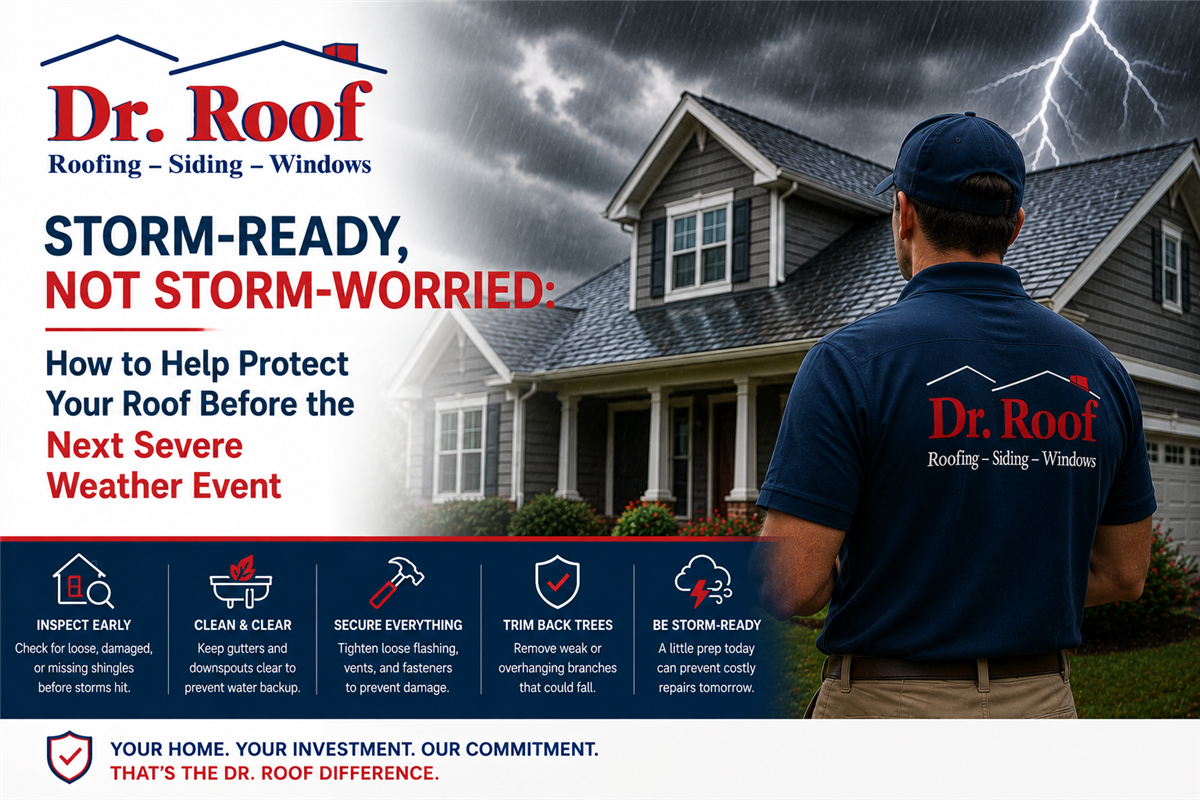
Storm Protection Starts Before the Next Storm
After a severe storm, many homeowners focus only on visible damage. Missing shingles, fallen branches, leaks, or damaged gutters are easy to recognize and naturally become the first priority.
But once those immediate repairs are completed, it is important not to assume the roof is fully protected from future storms.
The truth is that preventing future roof storm damage requires more than a quick repair. It takes regular inspections, proactive maintenance, quality materials, proper drainage, and a full understanding of how your roofing system protects your home.
For Atlanta homeowners, where heavy rain, wind, hail, humidity, and seasonal storms are common, a proactive approach can make a meaningful difference.
The Myth: Repairing Visible Damage Is Enough
One common misconception is that once obvious storm damage is repaired, the roof is ready for anything.
Unfortunately, storm damage is not always visible from the ground. A roof may look fine while still having lifted shingles, weakened seals, damaged flashing, granule loss, clogged gutters, or vulnerable areas around vents and chimneys.
If these hidden issues are not addressed, the next storm may turn a small weakness into a larger problem.
A professional roof inspection helps identify concerns before they lead to leaks, water damage, or more extensive repairs.
Why Hidden Roof Vulnerabilities Matter
Your roof is a complete system. Shingles, flashing, underlayment, decking, ventilation, gutters, and drainage all work together to protect your home.
When one part of that system is weakened, storm damage becomes more likely.
Common hidden vulnerabilities include:
Loose or lifted shingles
Damaged flashing
Granule loss
Cracked sealant
Worn pipe collars
Clogged gutters
Weak roof edges
Poor attic ventilation
Debris buildup
Previous repairs that did not address the full issue
Moisture trapped beneath roofing materials
These issues may seem minor, but severe weather can make them worse quickly.
Schedule Regular Professional Roof Inspections
One of the best ways to help prevent future storm damage is to schedule routine roof inspections.
A professional inspection can identify early signs of wear, storm impact, and vulnerable areas that may not be obvious to homeowners.
During an inspection, a roofing professional may check:
Shingle condition
Flashing around chimneys, vents, skylights, and valleys
Roof penetrations
Gutters and drainage areas
Signs of hail or wind damage
Ventilation concerns
Roof edges and vulnerable transitions
Interior or attic moisture concerns when needed
For Atlanta homeowners, inspections are especially important after major storms or high-wind events.
Maintain Your Gutters and Drainage
Gutters play an important role in storm protection. When gutters are clogged, damaged, or draining too close to the home, water may back up near the roofline or collect around the foundation.
To support better drainage:
Keep gutters clear of leaves, pine needles, and debris
Make sure downspouts are connected and draining properly
Watch for water overflowing during rain
Repair sagging or leaking gutters
Consider gutter guards if debris buildup is a recurring issue
Make sure water drains away from the foundation
Proper drainage helps reduce the risk of roof edge damage, fascia damage, foundation concerns, and water intrusion.
Trim Trees and Remove Storm Hazards
Trees can add shade and curb appeal, but overhanging branches can create roof risks during storms.
Branches can scrape shingles, drop debris, clog gutters, or fall during high winds. Keeping trees trimmed away from the roof helps reduce these risks.
Homeowners should also remove loose outdoor items before storms when possible, including patio furniture, decorations, or anything that could become wind-blown debris.
Address Small Roof Problems Early
Small roof issues rarely stay small forever. A loose shingle, minor flashing gap, or worn vent boot can become a leak during heavy rain or wind.
Addressing minor repairs early can help prevent larger damage later.
Do not wait for water stains or interior leaks before scheduling an inspection. If something looks off from the ground, or if your home has recently experienced severe weather, it is better to have the roof checked sooner rather than later.
Choose Quality Materials and Professional Installation
The materials used on your roof matter, but installation quality matters just as much.
A properly installed roofing system is better equipped to handle wind, rain, and daily exposure. Poor installation can leave the roof vulnerable, even if the materials themselves are high quality.
Dr. Roof is a GAF Master Elite Certified Contractor, which reflects professional training, installation standards, and a commitment to quality workmanship.
For homeowners considering roof replacement or major repairs, choosing an experienced contractor can help support long-term roof performance.
Consider Storm-Resistant Roofing Options
If your roof is aging or has been repeatedly damaged by storms, it may be time to discuss stronger roofing options.
Depending on your home and project needs, a roofing professional can help you understand options that may offer improved performance against wind, impact, and severe weather.
Dr. Roof can help homeowners compare roofing solutions and choose options that fit their home, budget, style, and long-term protection goals.
Do Not Forget Ventilation
Attic ventilation is often overlooked, but it plays an important role in roof health.
Poor ventilation can trap heat and moisture, which may contribute to premature roof wear, warped decking, mold concerns, and reduced energy performance.
A professional roof inspection can help determine whether your ventilation system is supporting your roof properly.
Keep Records After Storms and Repairs
Good documentation can be helpful if storm damage occurs later.
Homeowners should keep:
Roof inspection reports
Repair records
Photos of roof condition
Warranty paperwork
Insurance documents
Receipts for maintenance or repairs
If storm damage is suspected, Dr. Roof can provide photos, written findings, and professional recommendations to help support the insurance claim process. While every policy and claim is different, clear documentation can make the process easier to understand.
Why Atlanta Homeowners Choose Dr. Roof
Dr. Roof has served the Atlanta area since 1988, helping homeowners protect their homes from storm damage, roof wear, leaks, and exterior issues.
Our team understands Georgia weather and the challenges Atlanta roofs face throughout the year. We focus on professional inspections, honest recommendations, quality workmanship, and clear communication.
Homeowners choose Dr. Roof for:
Decades of Atlanta-area roofing experience
Professional storm damage inspections
GAF Master Elite certification
Quality roof repair and replacement
Storm damage documentation support
Strong warranty options
Gutter, siding, and exterior home solutions
Honest communication
A commitment to doing the job right
Prepare Now for the Next Storm
No roof can be guaranteed against every storm, but proactive care can help reduce risk and improve your home’s protection.
Regular inspections, gutter maintenance, tree trimming, timely repairs, proper ventilation, and quality installation all play a role in helping your roof stand up to severe weather.
Do not wait until the next storm reveals a hidden problem. Contact Dr. Roof to schedule a professional roof inspection and take the next step toward a more storm-ready home.
Frequently Asked Questions
Is my roof truly protected from future storms after basic repairs?
Many homeowners mistakenly believe basic repairs guarantee future protection. However, simply fixing visible storm damage often overlooks underlying vulnerabilities or subtle weaknesses that can lead to further issues during the next storm. True protection comes from a comprehensive assessment and proactive strengthening.
What common, overlooked areas should I check to prevent future roof storm damage?
Often overlooked areas include flashing around chimneys and vents, the condition of sealant, granular loss on shingles, and proper attic ventilation. Additionally, ensuring your gutters are clear and surrounding trees are trimmed can significantly help prevent storm damage.
Does upgrading roofing materials actually help prevent future roof storm damage?
Yes, absolutely. Upgrading to advanced, storm-resistant roofing materials, particularly those installed by GAF Master Elite certified contractors like Dr. Roof, provides enhanced durability against high winds, hail, and heavy rain. These materials offer superior resilience, significantly reducing your roof's susceptibility to damage.
How often should I have a professional inspection to mitigate storm risks?
We recommend having a professional roof inspection at least once a year, ideally in the spring or fall, and always after any significant storm event, regardless of visible damage. Regular inspections identify potential issues early, allowing for timely intervention that can prevent future roof storm damage.
Can proper gutter maintenance truly impact my roof's resilience to storms?
Yes, proper gutter maintenance is crucial. Clogged gutters can cause water to back up onto your roof, leading to water infiltration under shingles and into your roof decking. This constant moisture weakens your roof structure over time, making it far more vulnerable to damage during heavy rainfall and high winds.
Subscribe to Dr. Roof's Blog



Comments