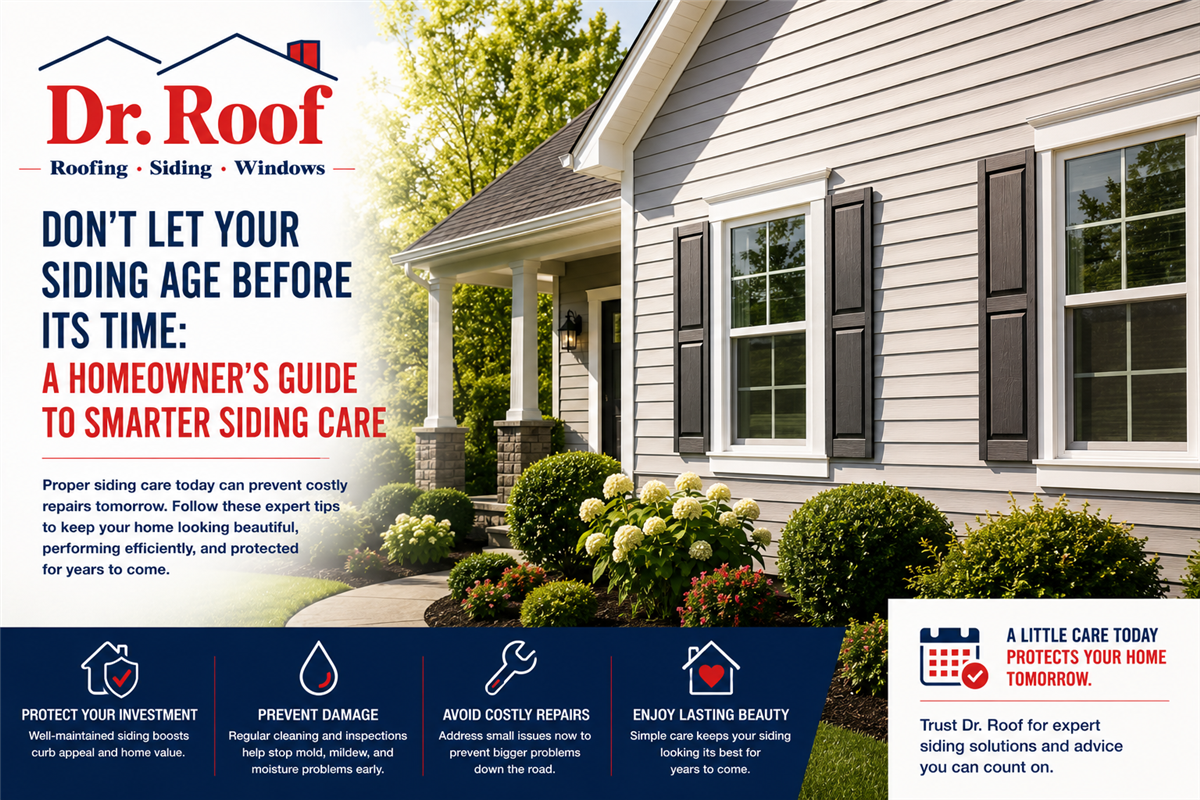
Siding Maintenance Matters More Than Many Homeowners Realize
Your siding does more than make your home look finished. It helps protect your home from rain, humidity, pests, wind, sun exposure, and everyday wear.
Many homeowners assume siding is maintenance-free once it is installed. While some siding materials are considered low maintenance, no siding is truly no maintenance.
Small issues like cracks, loose panels, mildew, fading, or gaps may seem cosmetic at first, but they can sometimes signal deeper problems. If ignored, those minor concerns can lead to moisture intrusion, rot, energy inefficiency, pest activity, or premature siding replacement.
With the right care, Atlanta homeowners can extend the life of their siding, protect curb appeal, and help prevent costly exterior damage.
The Myth: Low Maintenance Means No Maintenance
One of the biggest misconceptions about siding is that modern materials do not require attention. Vinyl, fiber cement, engineered wood, and other siding products are built to perform, but they still need routine cleaning and inspection.
Dirt, pollen, mildew, storm debris, and moisture can build up over time. Atlanta’s humidity, heavy rain, heat, and seasonal storms can also affect how siding performs.
Regular maintenance helps catch problems early before they become larger repairs.
Why Small Siding Problems Should Not Be Ignored
A small crack, loose panel, or soft spot may not look urgent, but siding problems can spread if moisture gets behind the exterior surface.
Warning signs may include:
Cracked or warped siding
Loose or missing panels
Mildew or mold growth
Peeling paint
Faded or worn areas
Gaps around windows or doors
Soft or rotting sections
Water stains
Pest damage
Higher energy bills
Interior drafts or moisture concerns
Addressing these signs early can help protect the structure beneath the siding and reduce the risk of more extensive replacement needs.
Different Siding Materials Need Different Care
Not all siding materials should be maintained the same way. Each type has its own strengths, vulnerabilities, and recommended care routine.
Vinyl Siding Maintenance
Vinyl siding is popular because it is affordable, versatile, and relatively low maintenance. However, it can still collect dirt, pollen, mildew, and debris.
To care for vinyl siding:
Wash it gently with mild soap and water
Use a soft brush or cloth for buildup
Avoid harsh chemicals
Avoid high-pressure washing that can force water behind panels
Check for cracks, loose sections, or impact damage
Keep grills and heat sources away from the siding
Vinyl siding should also be inspected after storms to make sure panels remain secure and undamaged.
Fiber Cement Siding Maintenance
Fiber cement siding is known for durability, weather resistance, and strong curb appeal. Still, it needs periodic care to perform its best.
To care for fiber cement siding:
Rinse dirt and debris from the surface
Clean with mild soap when needed
Inspect painted areas for chips or cracks
Watch for gaps around joints or trim
Keep caulking in good condition
Address damaged areas promptly
Avoid aggressive pressure washing
Small cracks or worn sealant should be repaired before moisture has a chance to enter.
Wood Siding Maintenance
Wood siding offers classic beauty, but it requires more regular attention than many other siding materials. Because wood is more vulnerable to moisture, pests, and UV exposure, maintenance is especially important.
To care for wood siding:
Keep it painted, stained, or sealed
Inspect regularly for rot or pest damage
Clean mildew and dirt gently
Trim landscaping away from the home
Watch for peeling paint or exposed wood
Repair cracks or soft spots quickly
Make sure gutters direct water away from siding
Wood siding can last for many years, but only when its protective finish is maintained.
Engineered Wood Siding Maintenance
Engineered wood siding offers the look of wood with improved durability, but it still benefits from regular care.
To maintain engineered wood siding:
Clean dirt and debris from the surface
Inspect seams, edges, and trim areas
Keep paint or finish in good condition
Repair chips or damage promptly
Maintain caulking around openings
Keep moisture-prone areas clear
Trim plants away from the siding
Proper installation and regular inspections help engineered wood siding continue to perform well.
Be Careful With Pressure Washing
Pressure washing may seem like the fastest way to clean siding, but it can cause damage if done incorrectly.
Too much pressure can force water behind siding, damage finishes, loosen panels, or strip paint. This is especially risky around windows, doors, seams, trim, and older siding.
A gentle wash with mild soap and water is often safer. If your siding needs deeper cleaning, a professional assessment can help determine the best approach.
Keep Gutters and Landscaping in Check
Siding maintenance is not only about the siding itself. Gutters, downspouts, trees, shrubs, and drainage all affect how well your exterior performs.
To help protect siding:
Keep gutters clean
Make sure downspouts direct water away from the home
Trim bushes and trees away from siding
Avoid letting sprinklers spray directly against the house
Remove leaves and debris near the foundation
Check for soil or mulch piled too high against siding
Good drainage and airflow can help reduce moisture problems around the exterior.
Schedule Regular Siding Inspections
Homeowners can spot many siding issues from the ground, but some problems are subtle. A professional siding inspection can identify early warning signs that may be easy to miss.
A professional assessment may look for:
Moisture concerns
Loose or damaged panels
Gaps or failing caulk
Storm damage
Pest activity
Rot or soft spots
Drainage issues
Areas where repair or replacement may be needed
Routine inspections help homeowners plan ahead instead of waiting for major damage to appear.
When Maintenance Is Not Enough
Even well-maintained siding eventually reaches the end of its lifespan. If damage is widespread, repairs are becoming frequent, or the siding is no longer protecting the home properly, replacement may be the better long-term solution.
Signs it may be time to consider siding replacement include:
Widespread cracking or warping
Significant rot or moisture damage
Frequent repairs
Severe fading
Loose siding across multiple areas
Storm damage
Pest damage
Reduced energy performance
Outdated appearance
Interior moisture concerns
A professional consultation can help determine whether repair or replacement makes the most sense.
Why Atlanta Homeowners Choose Dr. Roof
Dr. Roof has served the Atlanta area since 1988, helping homeowners protect and improve their homes with roofing, siding, gutters, windows, and other exterior services.
Our team understands how Georgia weather affects exterior materials. From humidity and heavy rain to heat and storm damage, Atlanta homes need siding that is properly installed and properly maintained.
Homeowners choose Dr. Roof for:
Decades of Atlanta-area exterior experience
Professional siding assessments
Clear repair and replacement recommendations
Quality siding installation
Storm damage documentation support
Strong warranty options
Honest communication
A commitment to doing the job right
Protect Your Siding Before Problems Grow
Siding maintenance does not have to be complicated, but it does need to be consistent. Regular cleaning, gentle care, good drainage, landscaping maintenance, and professional inspections can all help extend the life of your siding.
Do not let small issues turn into major exterior problems. If your siding is cracked, loose, faded, damaged, or showing signs of moisture, Dr. Roof can help you understand your options.
Contact Dr. Roof to schedule a siding assessment and keep your home’s exterior protected for the long term.
Frequently Asked Questions
Does 'low-maintenance' siding mean no Siding Replacement Maintenance Guide is needed?
No, 'low-maintenance' simply means less frequent or less intensive maintenance, not an absence of it. All siding types require some form of care, whether it's routine cleaning, inspecting for damage, or resealing. Neglecting these tasks will significantly shorten your siding's lifespan and necessitate a Siding Replacement sooner.
Is DIY pressure washing safe for all siding materials, or does it cause damage?
DIY pressure washing can be risky for various siding materials if not done correctly. High pressure can damage delicate surfaces, force water behind panels, and strip protective coatings. For materials like wood or older vinyl, it's often safer to use a gentle wash with a soft brush or consult a professional who understands the appropriate techniques and pressure settings for each siding type.
Can small cracks or faded paint on my siding truly lead to costly Siding Replacement?
Absolutely. Small cracks, peeling paint, or minor fading are often early indicators of underlying issues such as moisture infiltration, dry rot, or structural compromise. Ignoring these seemingly minor problems allows them to escalate, leading to extensive damage that makes a full Siding Replacement unavoidable and significantly more expensive than addressing the issues promptly.
Do all types of siding, like vinyl, fiber cement, and wood, really have different maintenance requirements?
Yes, each siding material possesses unique characteristics that dictate its specific maintenance needs. Vinyl benefits from gentle washing to prevent mildew, while fiber cement requires regular inspection for paint integrity and prompt touch-ups. Wood siding, on the other hand, demands consistent cleaning, sealing, and repainting to guard against moisture and pests. A tailored approach ensures optimal longevity.
How can regular, proactive maintenance prevent the need for an emergency Siding Replacement?
Proactive maintenance, including annual inspections and timely minor repairs, identifies issues in their infancy before they can develop into critical problems. This approach prevents widespread damage, preserves the structural integrity of your home's exterior, and ensures that any necessary Siding Replacement is a planned and manageable project rather than an unexpected, urgent expense.
Subscribe to Dr. Roof's Blog




Comments