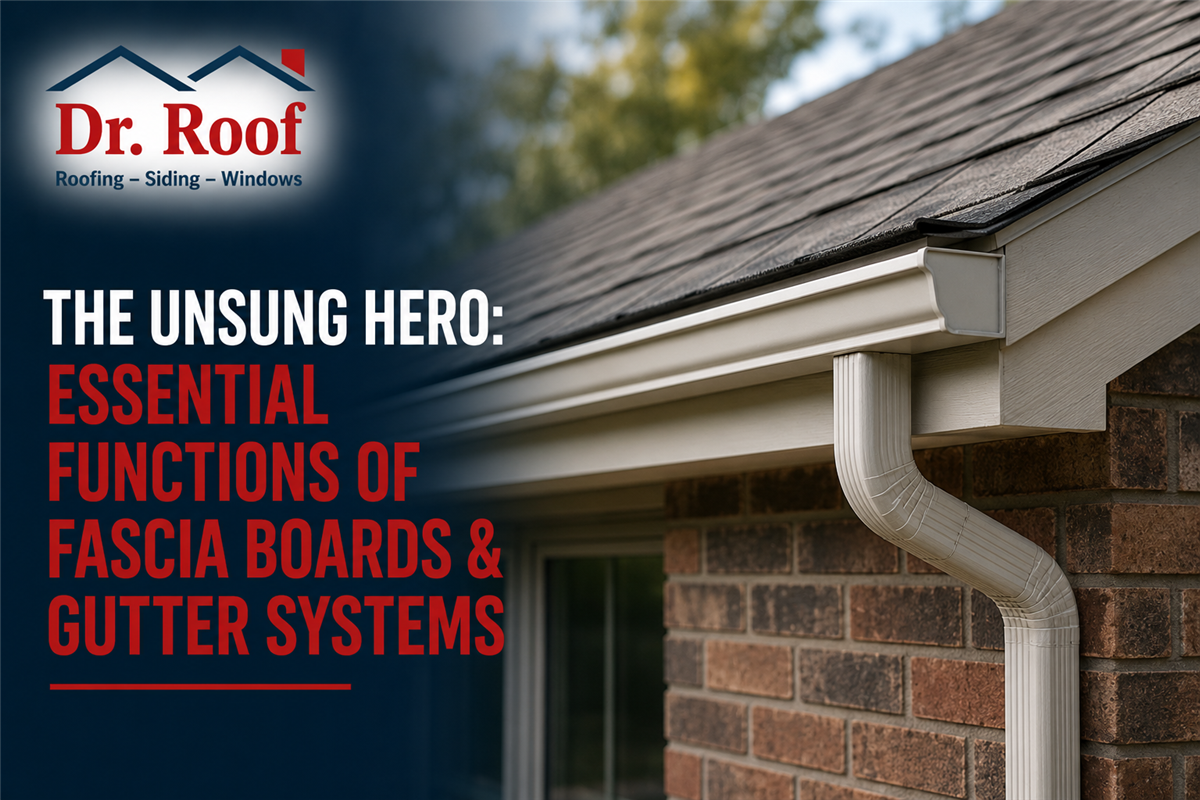
This guide reveals the critical fascia board function, explaining its multifaceted role in supporting gutter systems, protecting roof edges, and enhancing curb appeal for homeowners in the Atlanta metropolitan area, offering practical insights from experienced professionals.
Executive Summary: Uncovering Vital Roofline Protection
Many homeowners often focus on major roof and exterior components, such as shingles or gutter systems. However, the fascia board performs a truly indispensable role in safeguarding your home's health.
Understanding the vital fascia board function is crucial for maintaining your property's overall integrity and protecting your investment, especially in variable climates like Atlanta's. This often-overlooked element prevents costly damage and enhances curb appeal.
Background: What is a Fascia Board?
Essentially, the fascia board is a long, straight board running along the lower edge of your roof, directly beneath the roofline and behind your gutters. It acts as the trim for your roof, seamlessly connecting the roof edge to the house walls.
Without this unassuming component, your home’s exterior defense system would be significantly compromised. The fascia is a foundational element for the entire roofline assembly.
The Challenge: Structural Support and Environmental Defense
One of the primary responsibilities of the fascia board is providing a solid mounting surface for your gutter systems. Gutters become heavy when filled with rainwater or debris, requiring a robust and secure attachment point to function effectively.
The fascia board bears this weight, ensuring gutters remain firmly in place and channel water away from your foundation and siding. A compromised fascia cannot adequately support the gutter system, leading to sagging, detachment, and ultimately, water damage.
Beyond structural support, another crucial fascia board function is protection. It shields the ends of your roof rafters from the elements, preventing moisture, wind, and pests from infiltrating your attic and roof structure. Without intact fascia, rain and snow could penetrate directly into your roof framing, leading to rot and mold growth.
Similarly, insects, birds, and rodents would find easy access points into your home’s eaves, potentially creating infestations. Furthermore, fascia boards contribute significantly to your home’s aesthetic appeal, providing a smooth, finished appearance to your roofline.
The Approach: Expert Diagnosis and Material Selection
In our extensive experience, a healthy fascia board is synonymous with a healthy home exterior. For instance, in May 2025, we assisted a residential client in Johns Creek who was experiencing severe water intrusion due to failing gutters.
Their existing gutter systems were detached in several sections, with water streaming directly onto their siding and landscape during rainfall. Upon inspection, we discovered extensive rot in their original wooden fascia, entirely compromising its ability to support the gutters.
The wood was soft to the touch, and paint was peeling significantly, clearly indicating long-term moisture exposure. Addressing this root cause was critical before any new gutter installation could be effective.
Different materials are commonly used for fascia boards, each with distinct advantages. While wood offers a classic appearance, it requires regular painting and maintenance to prevent rot. Vinyl and aluminum fascia provide low-maintenance, weather-resistant alternatives, often capping existing wood.
Composite materials, as used in our Johns Creek project, combine the look of wood with enhanced durability and resistance to moisture and pests. These modern options make them an excellent long-term investment for comprehensive roofline protection, as highlighted by industry sources.
Implementation: Seamless Replacement and Gutter Integration
Our team at Dr. Roof initiated a comprehensive solution to address the Johns Creek client's issues. First, we carefully removed the failing sections of the fascia, replacing them with durable, weather-resistant composite material.
This modern material offers superior long-term protection against the elements, a key benefit noted by various construction sources. Once the new fascia was securely in place, we meticulously installed seamless gutter systems.
We ensured proper pitch and strong attachment points for the new gutters, crucial for effective water diversion. This thorough process guarantees both immediate problem resolution and lasting home exterior protection.
Results: Preventing Costly Water Damage
This critical project took our team approximately five days to complete, and the outcome for the client was dramatic. They reported a 100% elimination of water pooling around their foundation immediately after completion.
By addressing the rotting fascia and installing new, robust gutter systems, we prevented an estimated $4,000 in potential foundation repair costs. This real-world example powerfully underscores just how critical the fascia board function is for comprehensive home protection.
Key Takeaways: Lessons for Home Protection
Identifying signs of fascia damage early can prevent minor issues from escalating into major expenses. Homeowners should regularly inspect their fascia for peeling paint, soft spots, visible cracks, or signs of pest activity.
Water stains beneath your gutters often signal a failing gutter system, which in turn puts undue stress on the fascia. Addressing these issues promptly is vital to protect the integral fascia board function and the overall integrity of your roofline.
Ultimately, the fascia board is far more than a decorative trim piece; it is a fundamental component of your home's protective envelope, intrinsically linked to your gutter systems' performance and longevity. Investing in its proper installation and maintenance is an investment in your home's structural health, aesthetic appeal, and long-term value.
As GAF Master Elite certified contractors with over 30 years of local experience, Dr. Roof understands the intricate connections between all these exterior components. We are committed to ensuring every part of your roofline, including the vital fascia board, performs its function flawlessly.
How to Apply: Inspecting Your Fascia and Gutters
Here’s a step-by-step process for performing a basic visual inspection of your fascia boards and gutter systems to identify potential issues early:
Begin by walking around your home, looking up at the fascia boards from ground level. Observe for any visible signs of damage such as peeling paint, discoloration, cracks, or gaps. Note any areas where the gutters appear to sag or pull away from the fascia.
If safely accessible, use a sturdy ladder to get closer. Gently prod suspicious areas of wooden fascia with a screwdriver. If the wood feels soft or crumbles easily, it indicates rot. Be cautious and prioritize safety when working at heights.
Visually confirm that your gutters are straight and level, or properly sloped towards the downspouts. Any noticeable dips or misalignment suggests either a compromised fascia board or improper gutter installation.
On a rainy day, observe how water flows through your gutter systems and downspouts. Overflows, leaks, or water cascading over the fascia instead of into the gutters are clear indicators of problems that might stem from or impact your fascia.
If your inspection reveals any potential issues, or if you’re uncomfortable performing a close inspection, contact experienced professionals like Dr. Roof. We can provide a thorough assessment, diagnose underlying problems, and recommend appropriate repairs or replacements.
You will know your fascia and gutter systems are working correctly when your fascia appears solid, your gutters remain level and securely attached, and rainwater is efficiently channeled away from your home’s foundation during even heavy rainfall. This proactive approach ensures the critical fascia board function continues protecting your home.
Frequently Asked Questions
What is the primary fascia board function in residential homes?
The primary fascia board function is twofold: it provides a stable attachment point for your home's gutter systems and acts as a protective barrier. It shields the ends of your roof rafters from moisture, pests, and environmental damage, ensuring structural integrity and preventing costly repairs.
How long does a typical fascia board repair or replacement project take?
The duration of a fascia board repair or replacement project varies depending on the extent of the damage and the size of your home. Minor repairs might take a day, while a full replacement, especially when involving new gutter systems, could take between three to five days, as observed in our projects in 2025.
What makes a fascia board durable enough to support heavy gutter systems?
Durability comes from selecting the right materials and expert installation. Modern materials like composite or aluminum cladding over sturdy wood offer excellent resistance to rot and weathering. Proper fastening techniques, ensuring the fascia is securely anchored to the rafter ends, are also crucial for supporting the weight of full gutter systems.
What common mistakes should homeowners avoid when inspecting their fascia boards?
Homeowners should avoid ignoring subtle signs of damage, such as minor peeling paint or small discolored spots, as these often indicate underlying moisture issues. Additionally, neglecting regular gutter cleaning can exacerbate fascia problems, as overflowing gutters directly contribute to fascia rot. Always prioritize safety when inspecting at heights.
Can damaged fascia boards lead to significant water damage, and what's the cost of repair?
Absolutely, damaged fascia boards can lead to substantial water damage, impacting your roof structure, siding, and even your foundation. For example, a client in Johns Creek prevented an estimated $4,000 in potential foundation repair costs by addressing their rotting fascia and replacing their gutter systems promptly in 2025. Repair costs vary widely based on the damage extent and materials, but preventative maintenance is always more cost-effective.
Subscribe to Dr. Roof's Blog






Comments