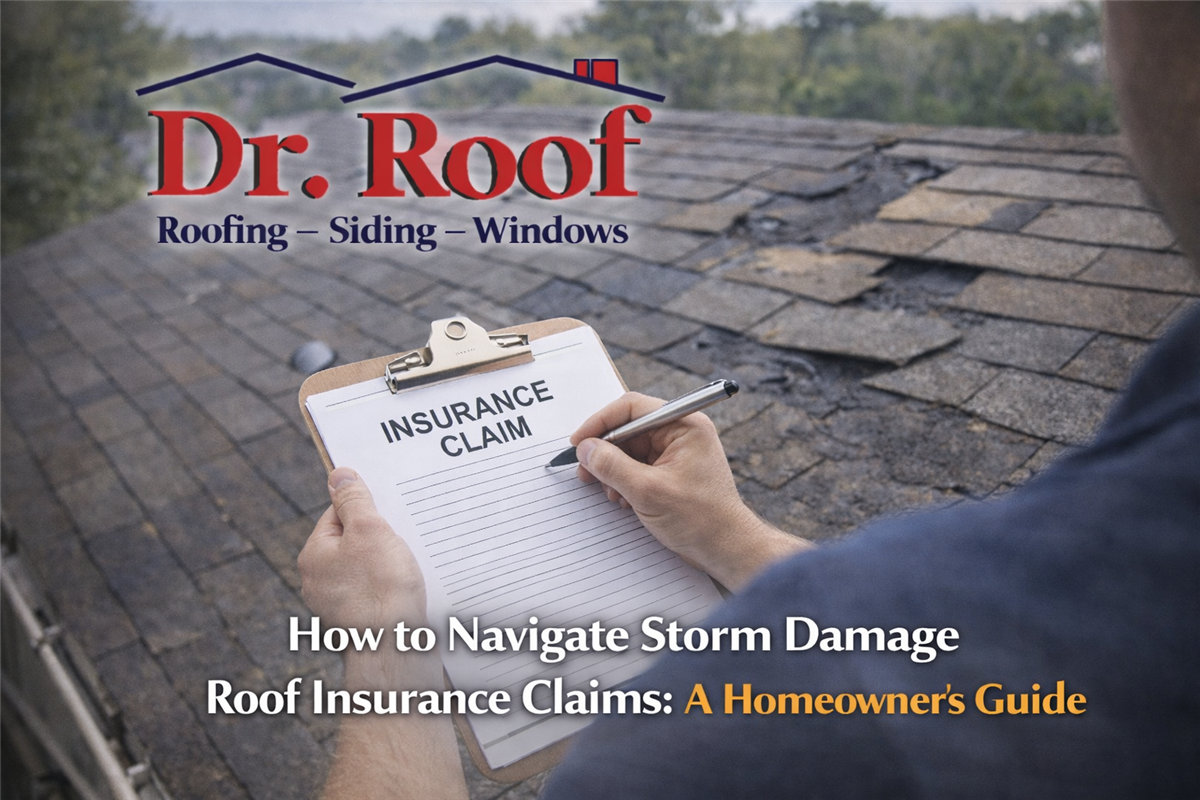
This guide explains how storm damage roof insurance claims work, providing homeowners with a step-by-step process. It helps navigate the often-complex insurance landscape after their roof is damaged in a storm.
Homeowners will learn to understand their coverage, document damage effectively, and file a successful claim. Unique points like dealing with adjusters and understanding depreciation are covered, with keywords including roof damage and insurance claim.
Understanding Storm Damage Roof Insurance Claims
Understanding how insurance claims work for storm-damaged roofs is essential for homeowners. The process can seem daunting, but with the right knowledge, you can navigate it successfully.
This guide provides the crucial steps to ensure your claim is handled efficiently. It aims to empower you through what can often feel like an overwhelming situation.
Preparing for Your Claim: Policy Essentials
The first step involves understanding your homeowner's insurance policy. Most policies cover roof damage caused by wind, hail, fallen trees, and other storm-related events.
However, it's crucial to review your policy to understand what specifically is covered and what isn't. Policies typically have exclusions for damage caused by negligence or lack of maintenance.
Navigating the Storm Damage Claim Process
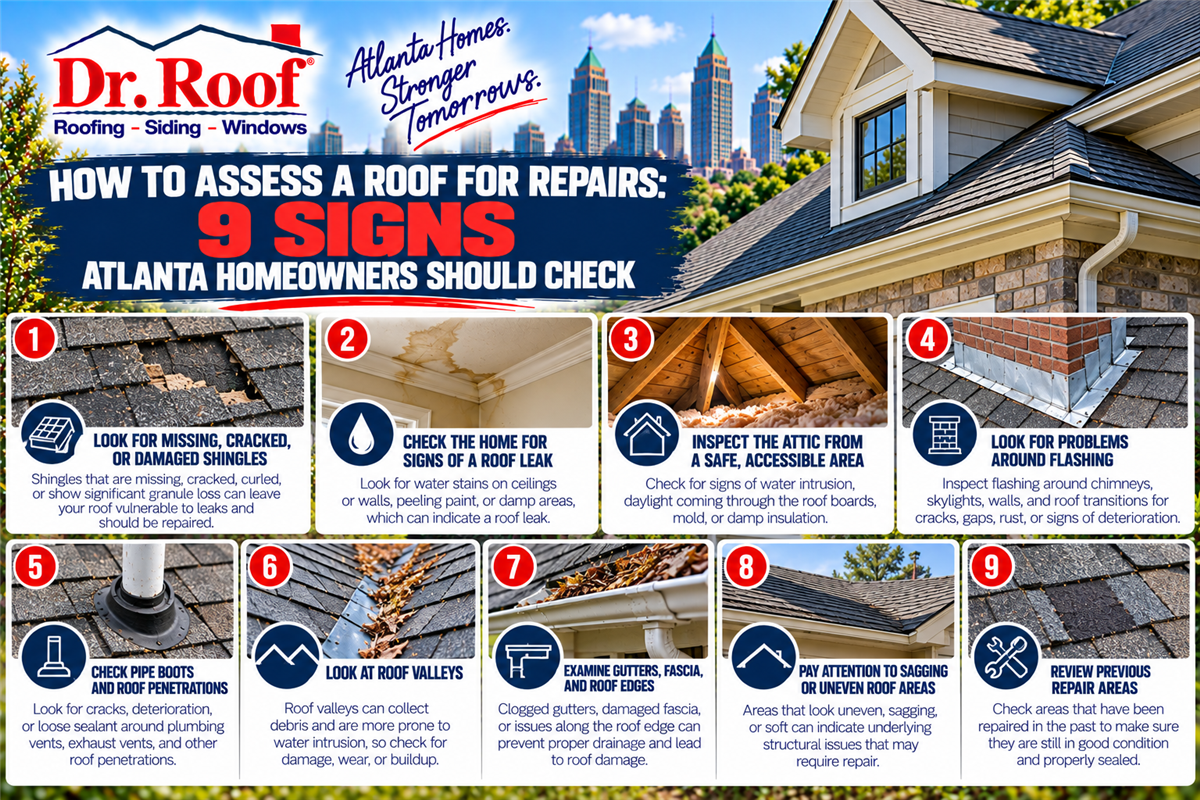
Once you suspect storm damage, the immediate next step is to document it thoroughly. Take detailed photos and videos of the damage, both inside and outside your home.
Be sure to capture any structural issues, such as missing shingles, active leaks, or damaged gutters. This comprehensive documentation will be crucial when you file your claim.
After gathering your documentation, contact your insurance company as soon as possible. Report the damage and request a claim form, providing your policy number and a brief description.
The insurance company will then assign an adjuster to your case. This professional's role is to assess the damage and determine the extent of your coverage.
Before the adjuster arrives, it is wise to obtain an estimate from a trusted roofing contractor. A professional assessment can help you understand the full scope of needed repairs.
A company like Dr. Roof offers experienced professionals who can provide a detailed estimate that includes all necessary repairs. Choosing a contractor knowledgeable in insurance claims is key for a smooth process.
When the adjuster arrives, be prepared to walk them through the damage and provide all your documentation. Do not hesitate to ask questions and clarify any points of confusion.
It is important to be honest and transparent throughout this process. The adjuster will then prepare their report and submit it to the insurance company.
The insurance company will review the adjuster's report and determine the amount of coverage. If your claim is approved, you will receive a settlement offer.
Review this offer carefully and compare it to your contractor's estimate. If the offer seems insufficient, you have the right to negotiate with the insurance company.
Be prepared to provide additional documentation or evidence to support your claim if needed. Once an agreement is reached, you can begin the necessary repairs.
Work with your chosen roofing contractor to schedule the repairs and ensure they are completed to your satisfaction. Remember to keep all receipts and documentation related to the repairs for future reference.
The Value of a Detailed Inspection
Homeowners often underestimate the importance of a detailed inspection after a storm. This thorough assessment ensures all damage, even hidden issues, is identified for a fair claim.
In July 2025, a client experienced significant hail damage to their roof after a severe thunderstorm. They initially believed the damage was minimal.
However, after a thorough inspection conducted by Dr. Roof, numerous cracked and weakened shingles were discovered. This detailed assessment was crucial in securing a fair settlement.
The settlement from their insurance company covered the full cost of the roof replacement. The entire process, from initial inspection to completed replacement, took approximately six weeks.
Crucial Considerations: Understanding Depreciation
Understanding depreciation is also crucial when dealing with your insurance claim. Many policies offer replacement cost value (RCV) coverage, which covers the full cost of replacing your damaged roof.
However, some policies only provide actual cash value (ACV) coverage, which factors in depreciation. This means you will only receive the current depreciated value of the roof.
Be sure to understand the type of coverage you have. This knowledge directly impacts your settlement offer and what you might pay out-of-pocket.
Avoiding Common Mistakes in Your Claim
One common pitfall for homeowners is failing to file a claim in a timely manner. Most insurance policies impose deadlines, making quick action essential after discovering damage.
Delaying the claim can significantly jeopardize your coverage and lead to denied claims. Always prioritize reporting damage promptly to your insurer.
Another mistake is attempting to handle the entire claim process without professional assistance. A qualified roofing contractor, like Dr. Roof, can provide invaluable support.
They help you navigate the complexities of the process and work to ensure you receive a fair settlement. Expert guidance can make a substantial difference.
Your Next Steps to a Repaired Roof
Successfully navigating storm damage roof insurance claims requires patience, persistence, and a thorough understanding of your policy. By documenting damage, working with trusted professionals, and communicating effectively, you can ensure a successful claim.
Remember that proactive preparation and informed decision-making are your best tools. For reliable guidance and expert roof repair after storm damage, consider reaching out to Dr. Roof.
Frequently Asked Questions
What is storm damage and how does it affect my roof?
Storm damage refers to any damage caused by severe weather events such as wind, hail, or heavy rain. These events can cause missing shingles, leaks, and structural damage to your roof, potentially compromising its ability to protect your home.
How long does the storm damage roof insurance claims process typically take?
The duration of the insurance claim process can vary depending on the extent of the damage and the insurance company's procedures. In our experience, the process from initial inspection to completed repairs typically takes between 4 to 8 weeks.
What makes a detailed inspection effective in a storm damage claim?
A detailed inspection is effective because it identifies all the damage, even the hidden issues that might not be immediately apparent. This thorough assessment ensures that you receive a fair settlement that covers all necessary repairs.
What mistakes should I avoid when filing a storm damage roof insurance claim?
Common mistakes include failing to document the damage thoroughly, delaying the claim process, and not obtaining a professional estimate. Avoiding these mistakes can significantly improve your chances of a successful claim.
How does depreciation affect my storm damage roof insurance claim?
Depreciation can reduce the amount you receive for your claim if your policy only covers actual cash value (ACV). This means the insurance company will deduct the roof's depreciation from the replacement cost. Understanding your policy's coverage type is crucial for estimating your potential settlement.
Subscribe to Dr. Roof's Blog




Comments