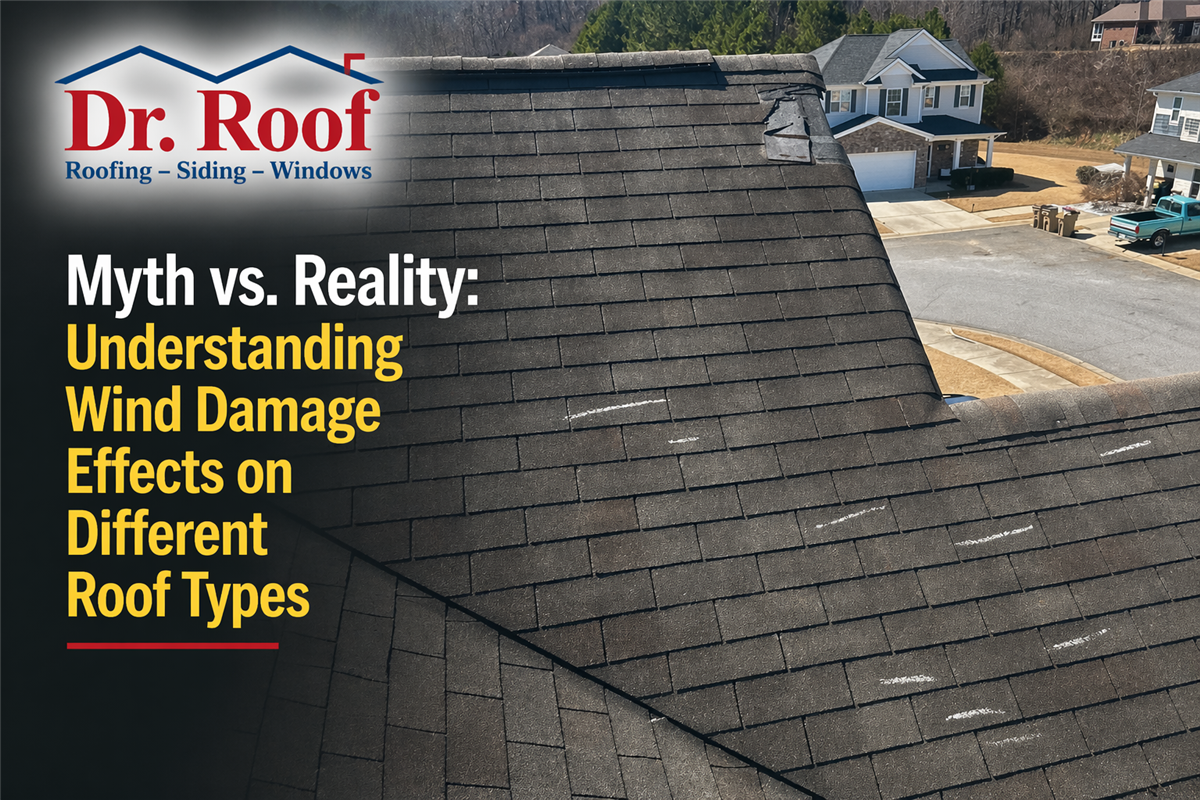
This article debunks the myth that all roofs resist wind damage equally, offering homeowners a comprehensive guide. Readers will gain expert insights into how specific roofing materials and designs react to severe weather, enabling informed decisions about roof protection and storm preparedness, particularly for those in the Atlanta area seeking reliable roofing solutions.
Understanding Wind's Impact on Your Roof
Many homeowners assume all roofs withstand severe weather similarly. This common misconception often leads to unexpected vulnerabilities when storms strike, leaving properties exposed.
Understanding the true wind damage effects on different roof types is crucial for effective home protection and achieving peace of mind. Proactive knowledge can safeguard your property effectively.
Essential Knowledge for Storm Preparedness
High winds impact roofs in complex ways, extending beyond just direct force. Air pressure differences around a structure create significant stress points through both uplift and negative pressure.
Consequently, various roofing materials and shapes react uniquely to these dynamic forces. Recognizing these distinctions empowers homeowners to choose the best defenses for their property.
How Different Roof Types React to Wind
Asphalt shingles are popular for their cost-effectiveness and versatility, but they are highly susceptible to wind uplift. Strong gusts can easily lift the edges of individual shingles, causing curling, creasing, or even complete detachment from the roof deck.
Even subtle lifting can allow water infiltration, which might go unnoticed until significant internal damage occurs. Wind-driven debris also poses a threat, causing impact damage that further compromises shingle integrity.
Metal roofing is often praised for its durability and generally offers superior wind resistance. These systems are typically rated for high wind speeds, making them an excellent choice for storm-prone regions.
However, even robust metal roofs are not entirely impervious to damage. Wind can exploit weaknesses in fasteners or seams, leading to panels loosening or detaching. Proper installation, including robust fastening systems, is paramount for metal roof longevity in windy conditions.
Tile roofs, made from materials like clay or concrete, possess unique strengths and challenges against wind. Individual tiles are heavy and durable, but their installation method is absolutely critical for performance.
If not securely fastened, strong winds can dislodge or crack tiles, especially along edges and ridges. Once a tile is compromised, the underlying underlayment is exposed, drastically increasing the risk of water damage. Debris impacts can also easily shatter brittle tiles.
Wood shingles and shakes provide a distinct aesthetic but share some vulnerabilities with asphalt shingles. Wind can split or tear wood shingles, particularly if they are older or have absorbed excessive moisture.
The rougher texture of shakes can also create more wind resistance, potentially leading to greater uplift forces. Regular maintenance is key to mitigating these specific wind damage effects, ensuring any loose or damaged pieces are promptly addressed.
Beyond materials, roof design significantly influences wind resistance. Hip roofs, featuring slopes on all four sides, are inherently more aerodynamic than gable roofs, which have two flat sides meeting at a ridge.
The continuous slope of a hip roof allows wind to flow smoothly over its surface, effectively reducing uplift pressure. Gable roofs, conversely, present a larger, more abrupt surface for wind to catch, making them more vulnerable to uplift forces at the eaves and ridge.
Our team at Dr. Roof frequently encounters homeowners struggling with the aftermath of severe weather. For example, in September 2025, a family in Alpharetta contacted us after what they initially considered minor roof damage following a strong squall.
They had a standard asphalt shingle roof. Upon our inspection, we uncovered widespread shingle lifting and granular loss across their entire roof, far beyond the few missing shingles they had observed. Their existing warranty didn't cover the full extent of the issue due to specific installation clauses.
Through our comprehensive storm damage assistance, we guided them through the complexities of their insurance claim, providing a detailed assessment and crucial evidence. Ultimately, our intervention helped them secure a full roof replacement, saving them an estimated $7,500 in out-of-pocket expenses. This also protected their home from future leaks within a 5-week project timeline.
This experience profoundly underscored the importance of professional assessment to fully understand wind's true impacts on various roofing materials.
Common Mistakes to Avoid
A significant mistake homeowners make is underestimating subtle signs of wind damage. Many miss minor issues like lifted shingle edges or small cracks, dismissing them as insignificant.
Failing to get a professional roof inspection after a significant storm is another major pitfall. Ignoring minor damage can quickly escalate into major repairs, compromising your home’s structural integrity and leading to costly leaks down the line.
Key Strategies for Roof Protection
Identifying subtle signs of wind damage often requires an experienced eye. Look for creased or missing shingles, displaced tiles, or loose metal panels after a storm. Even a small breach can lead to significant issues over time.
Prompt inspection after a storm is critical, especially in areas like Atlanta where sudden, powerful storms are common. Ignoring minor damage can escalate into major repairs, compromising your home’s structural integrity.
Advanced Tips for Enhancing Resilience
Proactive measures are your best defense against significant storm damage. Regular roof inspections, ideally performed twice a year, can identify potential weaknesses before they become critical problems.
Ensuring proper attic ventilation can also help equalize pressure differences, effectively reducing wind uplift forces. When it's time for a roof replacement, always consider materials with higher wind ratings and designs known for their aerodynamic properties to significantly enhance your home’s resilience.
Securing Your Home Against Future Storms
Ultimately, debunking the myth that all roofs handle wind damage uniformly empowers homeowners to make informed decisions. Understanding the specific wind damage effects on roof types, combined with expert assessment and quality craftsmanship, forms the foundation of true home protection.
Dr. Roof offers industry-leading warranties and a "Make-It-Right" guarantee, ensuring your investment is secure and your home is well-prepared for whatever weather Atlanta may bring. With over 30 years of local experience, we deeply understand the unique challenges faced by properties in this region.
Frequently Asked Questions
What are the primary wind damage effects on roof types?
Wind damage effects on roof types vary significantly, generally manifesting as uplift, negative pressure, and impact damage. Uplift can pull materials off the roof deck, while negative pressure causes components to loosen. Impact damage, often from flying debris, can cause cracks, punctures, or granule loss, compromising the roof’s integrity.
How long does it typically take to repair wind-damaged roofs?
The time required for wind-damaged roof repairs varies widely. Minor repairs, such as replacing a few shingles, might take a day. However, extensive storm damage necessitating a full roof replacement can take anywhere from 1 to 4 weeks, depending on the severity of the damage, material availability, and weather conditions for installation.
What makes certain roof materials more resistant to wind damage?
Several factors contribute to a roof material's wind resistance. Materials like metal or some types of tile, when properly installed, offer superior wind ratings due to their inherent strength and secure fastening systems. The design of the roofing system, including how well components are interlocked and sealed, also plays a critical role in resisting wind uplift.
What mistakes should I avoid when assessing wind damage effects on roof types?
When assessing wind damage effects on roof types, avoid making assumptions about minor damage. Many homeowners miss subtle signs like lifted shingle edges or small cracks. Failing to get a professional inspection after a significant storm is a major mistake, as hidden damage can lead to costly leaks and structural issues down the line.
Are hip roofs truly better than gable roofs for wind resistance?
Yes, hip roofs generally offer superior wind resistance compared to gable roofs. Their multi-sided, sloped design allows wind to flow more smoothly over the surface, distributing pressure more evenly and reducing uplift forces. Gable roofs, with their flatter, more abrupt ends, are more susceptible to wind catching and causing damage, especially at the eaves and ridges.
Subscribe to Dr. Roof's Blog




Comments