Heavy rain and gusty wind from Arthur can expose roof leaks fast. Learn what Atlanta homeowners should check before, during, and after the storm.
Tropical weather does not have to be a hurricane to cause real problems for your roof.
As the remnants of Tropical System Arthur bring heavy rain, gusty winds, and the threat of localized flooding into Georgia, homeowners across metro Atlanta should take a few simple precautions. Even when the strongest winds stay away from our area, tropical moisture can push a roof, gutter system, or attic ventilation issue from “minor” to “urgent” very quickly.
At Dr. Roof, we have served Atlanta homeowners since 1988, and we know that some of the most damaging roof leaks show up during storms like this—not because the storm is historic, but because rain and wind find the weak points that were already there.
Why Tropical Rain Is Different
A normal summer shower may come and go quickly. Tropical rain can be different. It can last longer, fall harder, and come with wind that pushes water sideways under shingles, around flashing, and into vulnerable areas.
That combination can expose problems such as:
- Loose, lifted, or missing shingles
- Worn pipe boots or vent seals
- Failing chimney or wall flashing
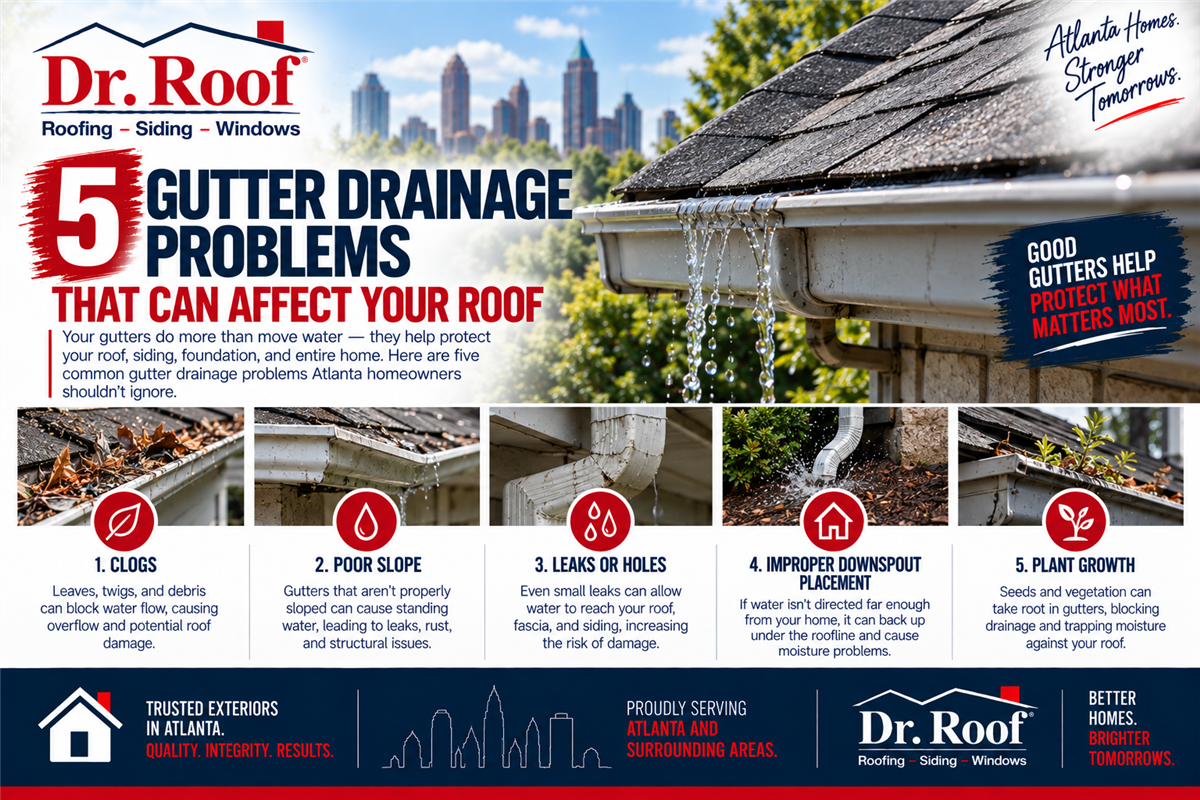
- Clogged gutters and downspouts
- Soft spots in decking
- Skylight leaks
- Valleys that are not draining properly
- Previous storm damage that was never repaired
The roof may have looked fine last week. But when rain continues for hours and wind changes direction, small weaknesses can become visible inside the home.
What to Check Before the Heavy Rain Arrives
If conditions are still safe, take a few minutes to walk around your home from the ground. Do not climb on the roof, especially before or during a storm.
Look for:
- Tree limbs touching or hanging over the roof
- Gutters packed with leaves or debris
- Downspouts draining too close to the foundation
- Shingles that appear lifted, missing, or out of place
- Loose flashing around chimneys, walls, or roof transitions
- Ceiling stains that may have appeared after previous storms
If you already know you have a leak-prone area, place towels or a bucket nearby and move valuables out of the way before the rain gets worse.
What to Watch for During the Storm
During heavy rain and wind, stay inside and focus on signs of active water intrusion. Common warning signs include:
- Water spots spreading on the ceiling
- Dripping around light fixtures or vents
- Moisture around windows, skylights, or fireplaces
- Bubbling paint or drywall
- Musty odors in upstairs rooms or the attic
- Water entering near an exterior wall
If water is dripping near electrical fixtures, avoid the area and contact a qualified professional immediately. Safety comes first.
After Arthur Passes: Do Not Ignore Small Signs
Once the rain stops, many homeowners assume the problem is over. Unfortunately, roof leaks often continue to cause hidden damage after the visible dripping stops.
Water can soak insulation, decking, drywall, and framing. Left alone, a small leak can lead to mold concerns, stained ceilings, damaged interiors, and more expensive repairs later.
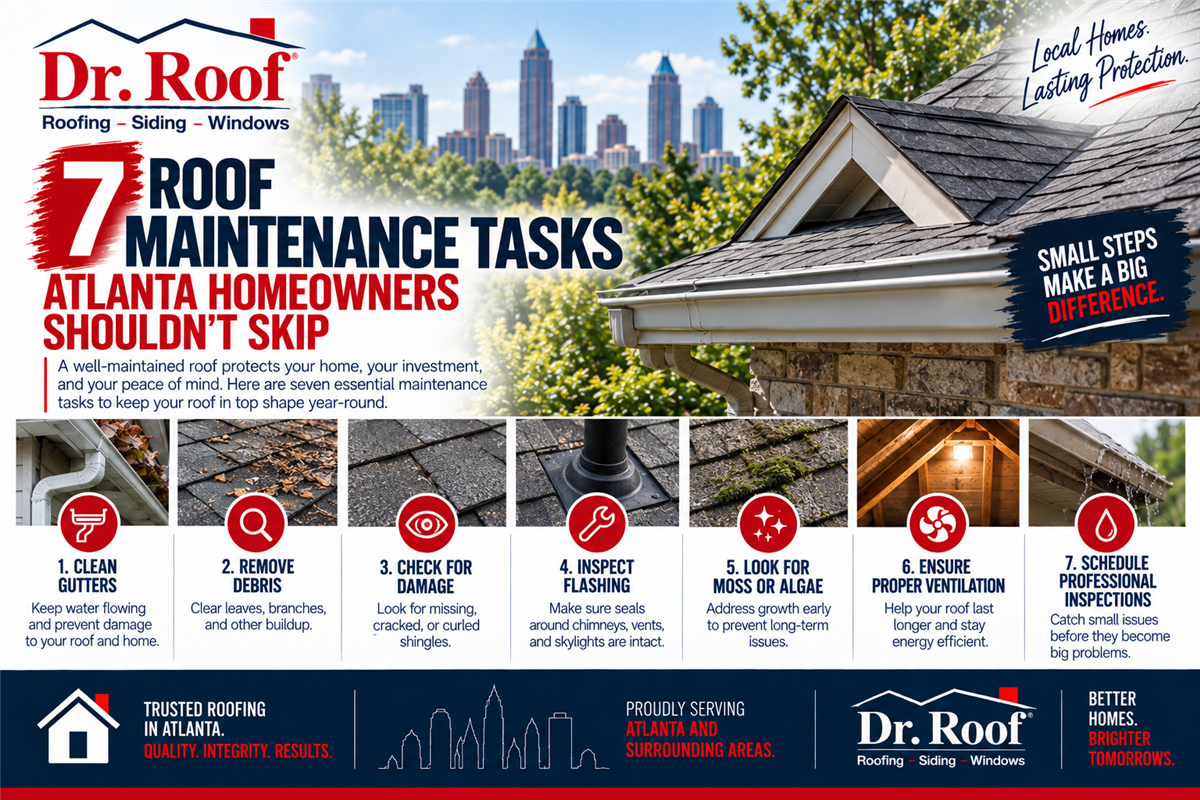
After the storm, check your attic if it is safe to do so. Look for damp insulation, water stains on the underside of the roof decking, or daylight showing through roof penetrations. Outside, check your yard for shingles, pieces of flashing, or other roofing materials that may have blown loose.
Again, do not climb on the roof yourself. Wet shingles are slippery, and storm-damaged areas may not be safe to walk on.
When to Call a Roofing Professional
Call a professional roofer if you notice:
- Active leaking
- New ceiling stains
- Missing or lifted shingles
- Water around chimneys, skylights, or vents
- Gutters overflowing or pulling away
- Debris impact from branches
- Any roof concern after heavy wind and rain
A proper roof inspection can help determine whether the issue is a simple repair, storm-related damage, or a larger roofing problem that needs attention.
Dr. Roof Is Here to Help
Storms like Arthur are a reminder that your roof is your home’s first line of defense. If you notice a leak or suspect wind or rain damage, Dr. Roof can help inspect the issue, review photos, explain your options, and recommend the right next step.
We have been serving metro Atlanta homeowners for more than 38 years, and our team handles everything from emergency roof repairs to full roof replacements.
If your roof starts leaking during or after the storm, do not wait for the damage to spread.
Call Dr. Roof at 770-552-ROOF or schedule a roof inspection today.
Dr. Roof — We’ve got you covered.
Subscribe to Dr. Roof's Blog






Comments