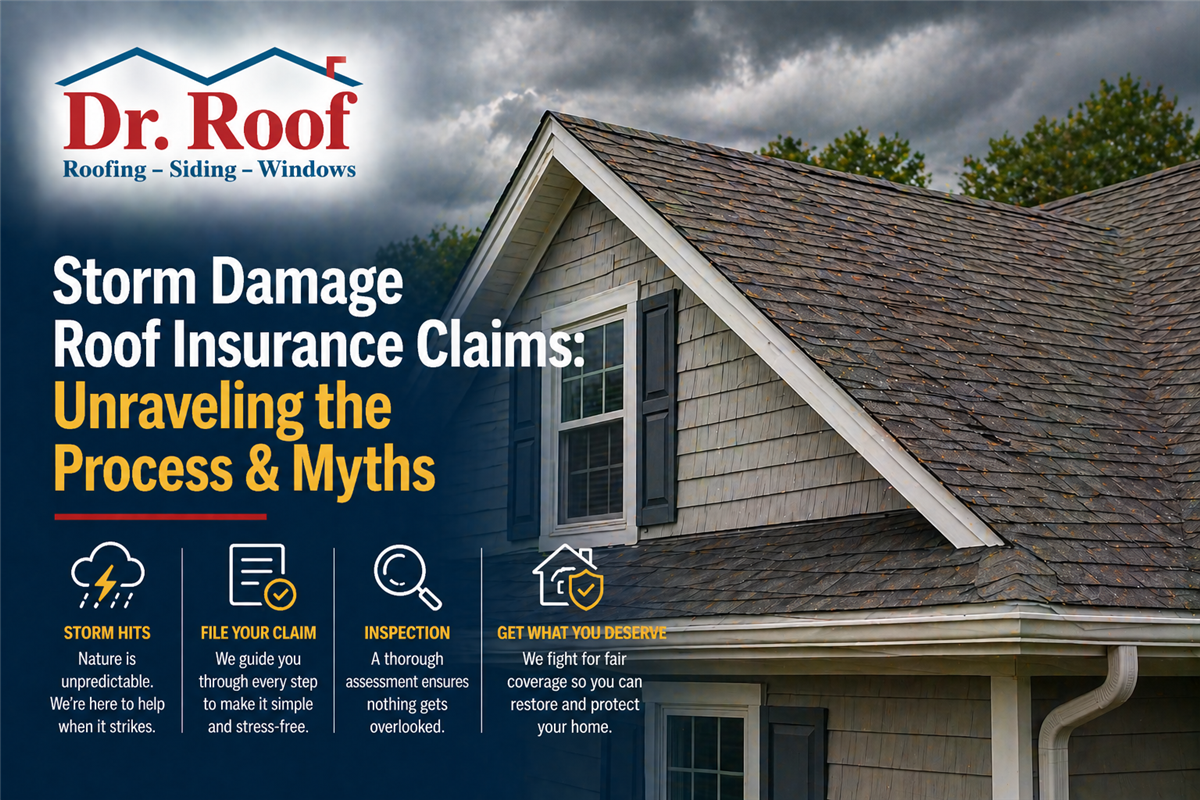
This guide provides a clear understanding of how to manage a storm damage roof insurance claim, offering homeowners practical steps and debunking common myths to help them navigate the complex process, understand their coverage, and work effectively with experts like Dr. Roof for successful resolution. This is crucial for homeowners dealing with storm damage and seeking expert assistance for their roof insurance claim.
Understanding Your Storm Damage Claim
Experiencing a severe storm can be unsettling for any homeowner. Once the weather clears, discovering a damaged roof often leads to questions about the best path forward.
The process of filing a storm damage roof insurance claim can feel overwhelming.
Many believe that resolving roof damage is a straightforward call to the insurer. However, the process typically holds more complexities and potential pitfalls than initially anticipated.
Understanding how a storm damage roof insurance claim truly works is essential for protecting your property and ensuring a fair settlement. It involves a meticulous process of documentation, expert assessment, and informed communication.
We aim to unravel the layers of this process, dispelling common myths that often hinder homeowners from receiving the full coverage they deserve.
Preparing for Your Roof Claim: What You Need to Know
A prevalent myth is that all roof damage from a storm is automatically covered by insurance. In reality, policies vary significantly depending on the provider and your specific plan.
Coverage often depends on the type of damage, the age of your roof, and specific policy clauses. These clauses can relate to events such as hail or wind.
Knowing your policy’s specifics is the first critical step in preparing for a claim. This understanding helps set realistic expectations and guides your initial actions.
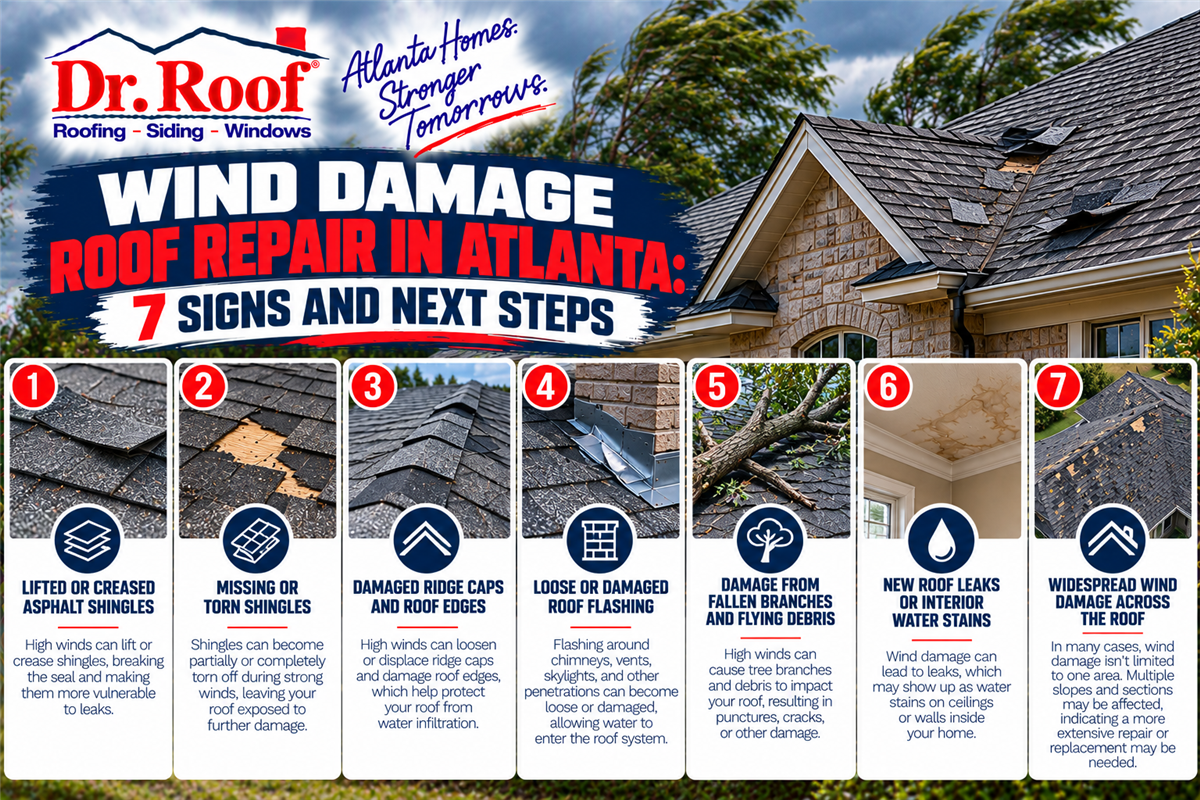
When strong winds hit, asphalt shingles can loosen or tear away, exposing the underlying structure to further damage. Hail, on the other hand, can create impact marks that compromise the shingle’s protective granules, leading to accelerated wear and potential leaks down the line.
These types of storm damage require careful inspection to distinguish them from normal wear and tear, which is typically not covered by insurance. This is where the expertise of a professional, like those at Dr. Roof, becomes invaluable in accurately assessing the true extent of the damage.
Your Step-by-Step Guide to Filing a Claim
Successfully navigating a storm damage roof insurance claim requires a proactive and informed approach. Here’s a detailed, step-by-step process we often guide our clients through:
Document the Damage Safely and Thoroughly. Immediately after a storm, if safe to do so, take photos and videos of any visible roof damage from the ground. Look for missing shingles, dents from hail, or debris, and include photos of the entire house and surrounding property to show the storm's impact. This initial visual evidence is crucial.
Contact a Reputable Local Roofing Contractor for an Inspection. Before calling your insurance company, have a professional inspection. An experienced contractor, especially one with certifications like GAF Master Elite, can provide a comprehensive assessment of the damage and offer an expert opinion. This independent evaluation can be invaluable.
Notify Your Insurance Company Promptly. File your storm damage roof insurance claim as soon as possible after the storm and contractor inspection. Provide them with your initial documentation and the professional assessment, being clear and concise in your communication. Many insurers recommend reporting damage promptly, often within a specific timeframe after the incident.
Schedule the Adjuster’s Visit with Your Contractor Present. When the insurance adjuster comes to inspect your roof, it’s highly beneficial to have your roofing contractor there. Your contractor can point out specific damages the adjuster might overlook and ensure nothing is missed, helping to prevent disputes later on. According to a guide on filing roof insurance claims, having a contractor present ensures a thorough assessment and representation of your interests.
Review the Adjuster's Report. Once the adjuster completes their assessment, you will receive a report detailing their findings and an estimated cost of repairs.
Understand Your Settlement and Begin Repairs. If there are discrepancies, your contractor can help negotiate with the insurance company to ensure all necessary repairs are covered. After agreeing on the scope and cost, the insurance company will issue a settlement; review it carefully, including any depreciation holdbacks, before signing. Work with your contractor to schedule and complete the repairs using the approved materials.
Key Considerations for a Successful Claim
Our experience highlights the importance of thorough documentation and professional assessment during the claims process. For instance, in April 2025, we assisted a homeowner in North Atlanta whose roof suffered significant hail damage.
The homeowner initially thought their policy wouldn't cover the full replacement cost due to the roof's perceived age, anticipating a denial. After our comprehensive assessment, which included detailed photographic and drone documentation, we provided a thorough report to their insurance company.
Our experience allowed us to pinpoint specific areas of impact that the homeowner had missed. Working closely with their adjuster, our detailed documentation helped to clarify the extent of the damage, significantly expediting the claim process.
This meticulous approach reduced the typical back-and-forth by approximately two weeks compared to less documented claims. The client received a full roof replacement, saving them an estimated $18,000 out-of-pocket, which was a significant relief. We ensured their GAF Timberline shingles were replaced with an equivalent system, restoring their home's protection efficiently and effectively.
Debunking Common Claim Myths and Avoiding Pitfalls
Another common misconception is that filing a claim will always drastically increase your premiums. While premiums can indeed be affected by various factors, including the frequency of claims or broad regional increases, a single storm damage roof insurance claim for a legitimate, severe event might not have the devastating impact many homeowners fear.
Often, storm-related damage is considered an 'act of God' by insurers. These types of claims are frequently treated differently than liability claims, which can mitigate the perceived risk of a significant premium hike.
To avoid common pitfalls, never delay reporting the damage, as many policies have strict time limits for filing claims. Also, do not attempt dangerous roof inspections yourself, leaving this to trained professionals.
A critical mistake is accepting the first offer without a professional contractor's detailed estimate or trying to handle complex negotiations with the adjuster alone. It's also crucial not to discard damaged materials before the adjuster's final inspection, as these serve as vital evidence.
Expert Guidance for a Smooth Claim Process
Choosing the right contractor is absolutely paramount throughout this entire process. A company with over 30 years of local industry experience, like Dr. Roof, possesses deep knowledge of local building codes and insurance claim procedures.
This extensive expertise helps streamline the process and ensures high-quality craftsmanship in the repairs, supported by industry-leading warranties. Our commitment to quality craftsmanship and integrity means we act as your dedicated advocate.
We understand the nuances of various insurance policies and work diligently to ensure you receive a fair assessment. Our 'Make-It-Right' guarantee further reinforces our dedication to customer satisfaction, providing invaluable peace of mind during a stressful time.
Furthermore, navigating complex insurance paperwork and understanding different policy types can be challenging for homeowners. An experienced contractor can help clarify critical aspects like actual cash value (ACV) versus replacement cost value (RCV) coverage.
Understanding these differences is crucial, as ACV accounts for depreciation, potentially leaving homeowners to cover a larger portion of replacement costs, while RCV policies typically offer full replacement value via two payments. Financing options can also provide much-needed flexibility.
These options can assist while waiting for claim payouts or covering deductibles, ensuring essential repairs are not delayed due to immediate financial constraints. This service highlights a commitment to reducing homeowner stress during crisis moments.
Your Next Steps to Restoring Your Roof
Successfully managing a storm damage roof insurance claim hinges on being informed and proactive. Seeking expert advice from a reputable contractor specializing in storm damage assistance can significantly ease the burden and lead to a more favorable outcome. For reliable guidance and exceptional service through every step of your claim, consider partnering with Dr. Roof.
Frequently Asked Questions
What is a storm damage roof insurance claim?
A storm damage roof insurance claim is a formal request to your homeowner's insurance provider for financial compensation to repair or replace your roof due to damage caused by weather events such as hail, high winds, heavy rain, or falling debris. It covers sudden and accidental damage, not typical wear and tear.
How long does a typical storm damage roof insurance claim take to resolve?
The duration for a storm damage roof insurance claim varies significantly. It can range from a few weeks to several months, depending on the severity of the damage, the responsiveness of the insurance company, the complexity of negotiations, and whether supplemental claims are needed. Our experience indicates that detailed documentation and professional contractor involvement can reduce this timeline.
What makes working with a GAF Master Elite contractor effective for storm damage claims?
Working with a GAF Master Elite contractor offers significant advantages. These contractors are highly trained, meet stringent quality requirements, and are knowledgeable about GAF products and installation standards. Their expertise, combined with their ability to offer enhanced GAF warranties, provides credibility and a strong advocate during the claims process, helping to ensure proper assessment and quality repairs.
What common mistakes should I avoid when filing a storm damage roof insurance claim?
Avoid delays in reporting the damage, as many policies have time limits for filing claims. Do not attempt dangerous roof inspections yourself. Another mistake is accepting the first offer without a professional contractor's detailed estimate or trying to handle complex negotiations with the adjuster alone. It's also crucial not to discard damaged materials before the adjuster's final inspection.
Does my homeowner's insurance policy cover all types of storm damage to my roof?
While most standard homeowner policies cover damage from perils like wind, hail, and lightning, coverage specifics vary. Some policies may have limitations for older roofs, specific deductible clauses for wind/hail, or exclude certain types of damage like those from floods or earthquakes. Always review your specific policy details or consult with an expert to understand your exact coverage for a storm damage roof insurance claim.
Subscribe to Dr. Roof's Blog



Comments