
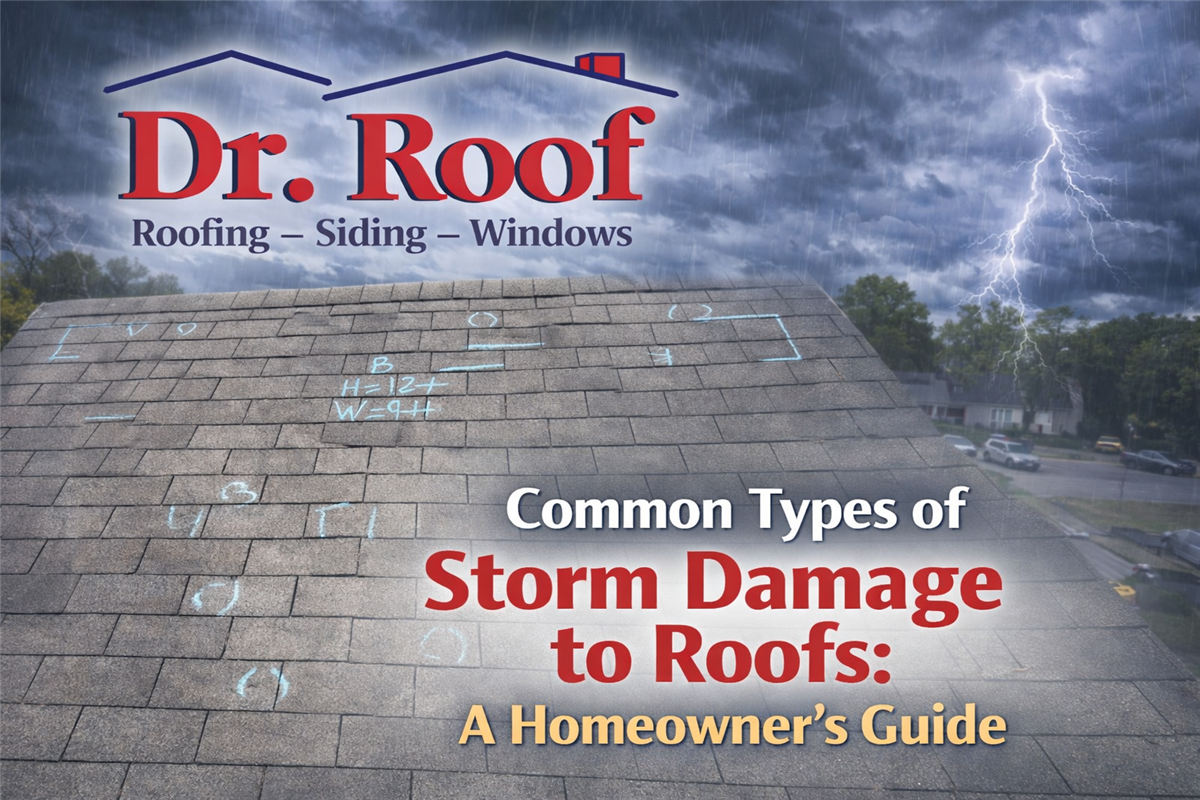
This guide helps homeowners understand common types of storm damage to roofs, enabling them to identify potential issues early and protect their homes. It covers wind, hail, water, and debris damage, offering insights into detection and necessary actions.
Understanding different types of roof storm damage is crucial for timely repairs and preventing further structural problems, especially for Atlanta homeowners concerned about roof maintenance and resilience after storms.
Understanding Common Roof Storm Damage
Living in the Atlanta metropolitan area, we're no strangers to intense weather. From summer thunderstorms to the occasional unexpected winter storm, our roofs take a beating.
As a trusted roofing contractor, Dr. Roof has seen firsthand the various ways storms can damage a roof. Understanding what to look for can save you time, money, and a lot of headaches.
Preparing for Post-Storm Roof Checks
Before diving into specific damage types, remember that regular roof inspections, especially after severe weather, are crucial. Having binoculars handy for ground-level inspection and knowing your roof's general condition prior to a storm can greatly aid detection.
Always prioritize safety and avoid climbing onto a wet or damaged roof yourself. If unsure about assessing damage, professional guidance is always the safest first step.
Identifying Specific Storm Damage Types
One of the most frequent culprits is wind damage. High winds can lift or curl shingles, especially older ones that may already be brittle.
This exposure can lead to leaks and further deterioration of the underlayment. In extreme cases, entire sections of shingles can be torn off, leaving the roof vulnerable. Keep an eye out for missing shingles or those appearing creased or lifted after a windy day.
Hail is another common cause of storm damage to roofs. The size and density of the hail, combined with the angle of impact, determine the extent of the damage.
Hail can crack or dent shingles, and even cause granule loss. Granule loss is particularly concerning because it exposes the asphalt layer of the shingle to direct sunlight, which accelerates its breakdown. After a hailstorm, check your roof for dark spots or areas where granules appear missing.
Water damage is often a secondary consequence of other types of storm damage. If shingles are missing or cracked, water can seep into the underlayment and eventually into your home's interior.
Leaks can cause staining on ceilings and walls, and in severe cases, lead to mold growth and structural damage. Even without visible signs of damage, pooling water can lead to wood rot and decay over time. It’s important to check your attic for any signs of water intrusion after heavy rain.
Debris, such as tree branches and other objects carried by the wind, can also inflict significant storm damage on a roof. Falling branches can puncture shingles, crack tiles, or even create holes in the roof deck.
Smaller debris, like leaves and twigs, can accumulate in gutters and valleys, causing water to back up and potentially seep under the shingles. Regular gutter cleaning is essential to prevent this type of damage.
In February 2025, after a particularly strong ice storm in North Atlanta, one of our clients, Mrs. Johnson, called us with concerns about a leak in her living room.
When Dr. Roof inspected her roof, we found significant granule loss and several cracked shingles caused by the heavy ice and falling branches. The damage wasn't immediately obvious, but water had already started to seep into the attic insulation.
We quickly replaced the damaged shingles and repaired the underlayment, preventing further water damage and saving her an estimated $1,500 in potential interior repairs.
Your Roof Inspection Checklist
Identifying storm damage early is crucial. Regular roof inspections, especially after severe weather events, can help you catch problems before they escalate. Here’s a simple process recommended by Dr. Roof for homeowners:
Use binoculars to scan your roof from the ground for missing, cracked, or curled shingles. Also, look for dark spots indicating granule loss.
Check your gutters and downspouts for excessive shingle granules, a sign of deterioration. Clear any debris to ensure proper water flow.
Inspect your attic for water stains, mold, or any signs of moisture. Pay close attention to areas around vents and chimneys.
If you suspect storm damage, contact a qualified roofing contractor for a thorough inspection and comprehensive assessment.
Common Mistakes to Avoid After a Storm
Ignoring storm damage can lead to more extensive and costly repairs down the line. Addressing issues promptly can prevent leaks, structural damage, and mold growth, ultimately protecting your home and your investment.
A common mistake is delaying repairs, which ultimately compromises your home and investment. Additionally, attempting DIY repairs without proper knowledge can also worsen the problem.
Proactive Roof Maintenance Tips
Beyond immediate post-storm checks, proactive roof maintenance is key to long-term resilience. Regularly cleaning gutters, trimming overhanging branches, and promptly replacing any damaged shingles are crucial steps.
Consider a professional roof assessment by Dr. Roof every few years, even without visible damage. This helps catch subtle issues early and significantly extends your roof's lifespan.
Securing Your Home's Future
Understanding the different types of storm damage empowers you to act quickly. Regular vigilance and prompt professional intervention are vital to protecting your roof and home.
Don't wait until minor issues become major headaches; take the necessary steps to ensure your roof remains a strong shield against the elements.
Frequently Asked Questions
What is storm damage to a roof?
Storm damage to a roof refers to any harm caused by severe weather conditions such as wind, hail, rain, or debris. This can include missing shingles, cracks, leaks, and other structural issues that compromise the roof's integrity.
How long does it take to repair storm damage?
The time to repair storm damage varies depending on the extent of the damage. Minor repairs can take a few hours, while more extensive damage may require several days or even weeks to fully restore the roof.
What makes a roof more vulnerable to storm damage?
Older roofs, those with pre-existing damage, or roofs constructed with less durable materials are more vulnerable to storm damage. Proper maintenance and regular inspections can help mitigate these risks.
What mistakes should I avoid when dealing with storm damage?
Avoid delaying repairs, attempting DIY repairs without proper knowledge, and failing to thoroughly inspect the roof after a storm. It's also crucial to choose a reputable contractor with experience in storm damage repairs.
How can regular maintenance prevent storm damage?
Regular maintenance, such as cleaning gutters, trimming overhanging branches, and replacing damaged shingles, can significantly reduce the risk of storm damage. These proactive measures ensure the roof remains in good condition and better able to withstand severe weather.
Subscribe to Dr. Roof's Blog





Comments