
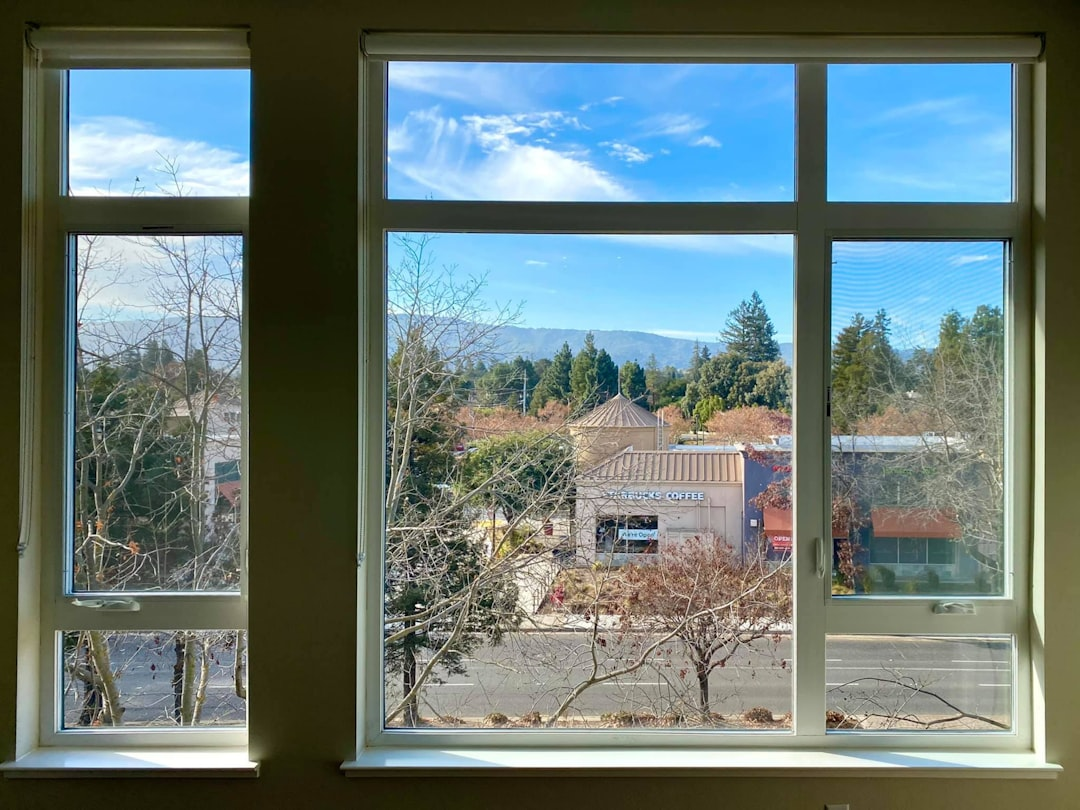
Discovering window air leaks can be a homeowner's nightmare, leading to increased energy bills and discomfort. This guide provides actionable steps to identify window air leaks, assess the extent of the problem, and determine if window replacement is the most effective solution, offering insights for those looking to improve their home's energy efficiency and comfort with cost-effective solutions.
The Silent Threat: Understanding Window Air Leaks
Finding window air leaks in your home is a critical step in maintaining energy efficiency and comfort. These leaks can lead to drafts, higher heating and cooling costs, and even moisture problems.
Fortunately, there are several straightforward methods you can use to detect these issues yourself. Unnoticed gaps allow conditioned air to escape, forcing your HVAC system to work harder and compromising your home's comfort.
Why Addressing Air Leaks Matters for Your Home
Beyond the immediate discomfort of drafts, unchecked air leaks contribute to significant energy waste. They can also lead to moisture problems, potentially compromising your home's structure and indoor air quality over time.
Proactive detection and resolution of these leaks are essential for maintaining a healthy, energy-efficient, and comfortable home environment throughout the year.
Back in January 2025, a client of Dr. Roof discovered significant air leaks around their old, drafty windows. We recommended replacing their windows with energy-efficient models.
Within two weeks, they noticed a considerable improvement in their home's comfort and energy bills. Specifically, their heating costs decreased by approximately 15%, and they no longer experienced drafts in the affected rooms, highlighting the benefits of addressing these issues.
Detecting Leaks: Your Step-by-Step Guide
One of the simplest ways to check for window air leaks is by using your senses. On a cold or windy day, walk around your home and pay attention to any drafts you feel near your windows.
These drafts are a telltale sign that air is escaping or entering through gaps or cracks, indicating an immediate need for attention.
Another effective method involves using a lit candle or incense stick. Carefully hold the flame or smoke near the edges of your windows, paying close attention to the areas where the window meets the frame and where the frame meets the wall.
If the flame flickers or the smoke wavers, it indicates the presence of an air leak. This test is particularly useful for identifying small, hard-to-detect leaks that might otherwise go unnoticed.
The paper test is another easy way to assess the seal of your windows. Open the window and place a sheet of paper between the window and the frame, then close and lock the window.
Try to pull the paper out; if you can do so easily, the window isn't sealing properly, suggesting air could be leaking through. Repeat this at various points to check for inconsistencies.
Visual inspection is also crucial. Examine the caulk and weatherstripping around your windows for cracks, gaps, or signs of deterioration. Damaged or missing caulk and weatherstripping are common sources of window air leaks.
Pay close attention to areas where the caulk has pulled away from the window or wall, as these are clear indicators of potential problems.
Infrared thermometers can be valuable tools for detecting temperature variations around your windows. On a cold day, point the thermometer at the window frame and glass.
If you notice significant temperature differences between different areas, it could indicate window air leaks. This method is particularly useful for identifying leaks that aren't immediately obvious to the naked eye.
Repair or Replace: Implementing Effective Solutions
Sometimes, simple repairs like re-caulking or replacing weatherstripping can effectively address minor window air leaks. These smaller fixes can quickly restore comfort and improve efficiency.
However, if the leaks persist, or if the windows are old, damaged, or inefficient, window replacement might be the best long-term solution. New, energy-efficient windows can provide a much tighter seal, significantly reducing drafts and lowering energy costs.
Beyond the functional benefits, new windows also enhance your home's curb appeal and overall value. This makes replacement a dual investment in both performance and aesthetics.
Choosing and Installing Energy-Efficient Windows
If you decide that window replacement is the right choice for you, it's essential to choose the right type of window. Look for models with high energy efficiency ratings, such as those certified by the Energy Star program.
These windows are specifically designed to minimize heat transfer and reduce energy consumption, ensuring maximum savings. Also, consider the window material, as vinyl, wood, and fiberglass each offer different benefits in insulation, durability, and aesthetics.
Proper installation is just as important as choosing the right windows. Hiring a qualified and experienced contractor ensures your new windows are installed correctly and sealed properly.
A professional installation, such as those performed by Dr. Roof, can prevent future air leaks and ensure that your windows perform optimally for years to come. This guarantees the longevity of your investment.
Investing in Comfort and Savings
Addressing window air leaks, whether through simple repairs or comprehensive window replacement, is a worthwhile investment in your home's comfort and energy efficiency. It not only reduces your utility bills but also creates a more pleasant living environment.
For expert advice on window leak detection, repair, or full-scale replacement services, homeowners consistently turn to Dr. Roof. We are committed to helping you achieve a more energy-efficient and comfortable home.
Frequently Asked Questions
What are window air leaks and why are they a problem?
Window air leaks occur when air escapes or enters your home through gaps or cracks around your windows. They can lead to drafts, increased energy bills, and reduced comfort.
How long does it take to replace windows?
The time it takes to replace windows varies depending on the number of windows and the complexity of the job. Typically, it takes one to two days to replace the windows in an average-sized home.
What makes energy-efficient window replacement effective?
Energy-efficient window replacement is effective because it provides a tighter seal, reducing drafts and minimizing heat transfer. Energy Star certified windows are designed to meet specific energy efficiency standards, ensuring optimal performance.
What mistakes should I avoid when addressing window air leaks?
Avoid ignoring the problem, using low-quality materials for repairs, and hiring inexperienced contractors for window replacement. Addressing window air leaks promptly and using high-quality materials ensures long-lasting results.
What are the potential energy savings from replacing old windows?
Replacing old, drafty windows with energy-efficient models can reduce heating and cooling costs by 10-20%, depending on the climate and the efficiency of the new windows. This leads to measurable savings and improved comfort.
Subscribe to Dr. Roof's Blog




Comments