
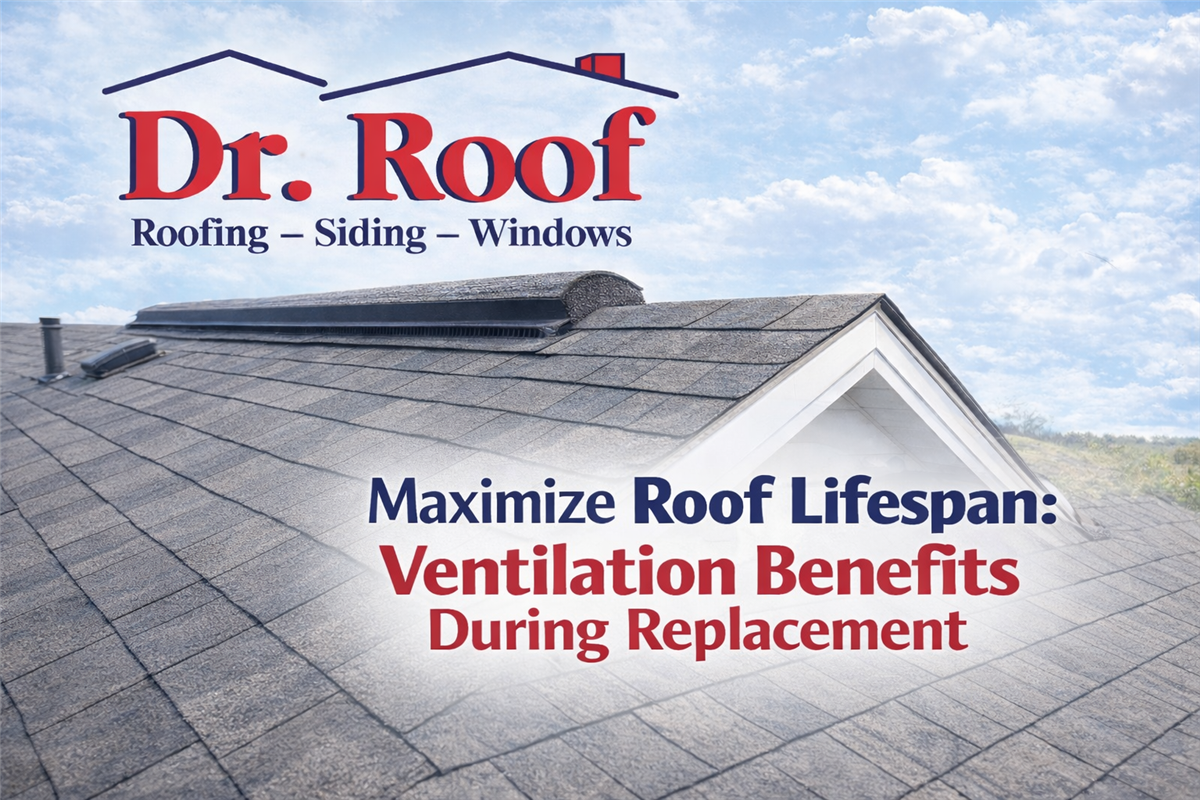
This guide explains the crucial benefits of proper roof ventilation during a roof replacement for Atlanta homeowners. Effective ventilation prevents moisture damage, regulates attic temperature, extends roof lifespan, and improves energy efficiency.
For homeowners seeking long-term protection and a reliable roof system, understanding ventilation during roof replacement is essential for maintaining a healthy and efficient home.
The Day a Sweltering Attic Taught Us a Lesson
A properly ventilated roof performs a critical role in regulating attic temperature, proactively preventing excessive heat buildup during summer and moisture accumulation in winter. This regulation is absolutely crucial for preserving the structural integrity of roofing materials over time.
It also directly prevents costly issues such as premature shingle deterioration, wood rot, and the undesirable growth of mold. We observed a stark example in June 2025 when inspecting a home in Roswell where the attic temperature soared above 150°F.
This extreme heat, a direct result of poor ventilation, caused significant shingle damage and notably impacted the home's energy efficiency. After our team, Dr. Roof, installed a comprehensive, proper ventilation system, the attic temperature consistently dropped by an impressive 40°F.
This improvement led to the homeowner saving approximately 20% on their cooling bills, demonstrating the profound impact of effective ventilation.
Unseen Heroes: Why Roof Ventilation Matters
Proper roof ventilation is frequently an overlooked yet vital aspect of home maintenance, particularly critical during a roof replacement project. Ignoring this element can leave a brand-new roof susceptible to rapid moisture damage, potentially leading to expensive repairs and a significantly shortened lifespan.
The advantages of proactively addressing ventilation during a roof replacement are extensive. These benefits extend beyond the roof itself, positively influencing the overall health and energy efficiency of your entire home environment.
Designing Optimal Airflow for Your Home
Ensuring proper ventilation during a roof replacement begins with a thorough assessment of the existing system. This crucial first step determines if it meets current building codes and specifically suits your home's unique requirements.
The assessment must consider factors such as your attic's size, the specific type of roofing materials planned, and the prevailing local climate conditions. Based on this detailed evaluation, it may become necessary to either add new or upgrade existing ventilation components.
Common components include ridge vents, soffit vents, and gable vents. Ridge vents, strategically positioned along the roof's peak, facilitate the escape of warm, moist air, while soffit vents, located beneath the eaves, efficiently draw in cooler, drier air.
Gable vents, typically found on the attic's sides, contribute additional airflow. The precise combination and strategic placement of these vents require careful planning to guarantee balanced and highly effective ventilation throughout the entire attic space.
In October 2025, when Dr. Roof replaced the roof on a commercial building in Alpharetta, we simultaneously upgraded their ventilation system. This improvement led to a remarkable outcome, with the client reporting a 15% reduction in energy consumption within just five days, directly attributable to the enhanced ventilation.
Navigating Common Pitfalls in Ventilation
During a roof replacement project, several common errors can significantly compromise the efficacy of ventilation efforts. A frequent oversight is failing to adequately seal air leaks present in the attic space.
These unsealed leaks permit conditioned air from your living areas to escape into the attic, which not only drives up energy costs but also contributes to potential moisture problems. Sealing these leaks with caulk or spray foam is a straightforward yet highly effective method to boost overall ventilation performance.
Another critical mistake is inadvertently blocking or covering existing vents with insulation or other materials. Such obstructions severely restrict essential airflow, rendering the entire ventilation system largely ineffective.
It is imperative to confirm that all vents remain clear and unobstructed to facilitate continuous, proper airflow. Additionally, employing the incorrect type or insufficient quantity of ventilation components can lead to various issues.
A truly balanced ventilation system necessitates the precise combination of intake and exhaust vents, all appropriately sized for the specific attic space. Consulting with a reputable roofing professional, such as Dr. Roof, can provide invaluable guidance to ensure your ventilation system is expertly designed and installed.
The robust process for achieving proper ventilation during a roof replacement includes inspecting the current system for any deficiencies. Next, all air leaks in the attic should be sealed to prevent conditioned air from escaping.
After that, the required ventilation area must be accurately calculated based on your attic's size and relevant local building codes. Key ventilation components like ridge, soffit, and gable vents are then installed or upgraded, ensuring correct positioning and sizing.
Finally, it's crucial to verify that all vents are completely clear and unobstructed, allowing for proper airflow. You'll observe its success when the attic temperature closely aligns with outdoor temperatures, with no evidence of moisture buildup or ice dam formation.
Beyond the Surface: The Lasting Benefits
A further crucial advantage of proper roof ventilation is its significant role in preventing ice dams during colder months. Ice dams materialize when heat from the attic causes snow on the roof to melt, which then refreezes at the eaves, forming a formidable barrier.
This barrier impedes proper water drainage, allowing trapped water to seep underneath shingles, potentially leading to damaging leaks in ceilings and walls. Sufficient ventilation helps maintain a consistent roof temperature, effectively diminishing the probability of premature snowmelt and subsequent ice dam formation.
Beyond these crucial structural benefits, correctly implemented roof ventilation also profoundly enhances energy efficiency. By expertly regulating attic temperature, ventilation considerably lessens the strain placed on your home's heating and cooling systems.
This reduction in workload directly translates into noticeably lower energy bills. In the warmer summer months, a well-ventilated attic allows trapped hot air to escape, ensuring your home remains cooler and decreasing the reliance on costly air conditioning.
Conversely, during winter, it actively prevents warm indoor air from escaping through the roof, thereby minimizing heat loss and significantly reducing overall heating expenditures.
Integrating Ventilation into Every Roof Replacement
The stories from Roswell and Alpharetta vividly illustrate that roof ventilation is not merely an accessory but a fundamental component of any successful roof replacement. These real-world experiences underscore the critical link between proper airflow and a home's longevity and performance.
Ensuring adequate ventilation during the replacement process directly safeguards against moisture damage, regulates temperature extremes, and dramatically extends the lifespan of your new roof. It's a strategic investment that pays dividends in comfort and savings.
At Dr. Roof, we emphasize that integrating optimal ventilation during a roof replacement is paramount for long-term home health. It guarantees that the roof system functions as a protective, efficient envelope for years to come.
Securing Your Home's Future with Proper Ventilation
A correctly executed roof replacement, one that prioritizes proper ventilation, significantly enhances your home's structural integrity and boosts its energy efficiency. This proactive approach also contributes to healthier indoor air quality by preventing mold growth and reducing harmful pollutant buildup. By addressing ventilation needs during your roof replacement, you truly invest in a long-lasting, energy-efficient, and comfortable future for your home.
Frequently Asked Questions
What is roof replacement and why is proper ventilation important during the process?
Roof replacement involves removing an old or damaged roof and installing a new one. Proper ventilation during this process is crucial because it helps regulate attic temperature and prevent moisture buildup, extending the life of the new roof and improving energy efficiency.
How long does a roof replacement typically take, and how does ventilation affect the timeline?
A typical roof replacement can take anywhere from a few days to a week, depending on the size and complexity of the roof. Ensuring proper ventilation can add some time to the project, especially if new vents need to be installed or existing ones upgraded, but the long-term benefits are well worth the investment.
What makes proper roof ventilation effective in preventing damage to my home?
Effective roof ventilation creates a balanced airflow that removes hot, moist air from the attic in the summer and prevents condensation in the winter. This reduces the risk of shingle damage, wood rot, mold growth, and ice dam formation, all of which can cause significant damage to your home.
What mistakes should I avoid with roof replacement to ensure optimal ventilation?
Common mistakes to avoid include neglecting to seal air leaks in the attic, blocking or covering vents with insulation, and using the wrong type or amount of ventilation components. A balanced ventilation system requires the right combination of intake and exhaust vents, sized appropriately for the attic space.
How much can proper roof ventilation save me on energy costs after a roof replacement?
Proper roof ventilation can lead to significant energy savings by reducing the strain on your heating and cooling systems. Some homeowners see up to a 20% reduction in their energy bills after implementing effective ventilation strategies during a roof replacement. This also helps to keep your home more comfortable year-round.
Subscribe to Dr. Roof's Blog



Comments