
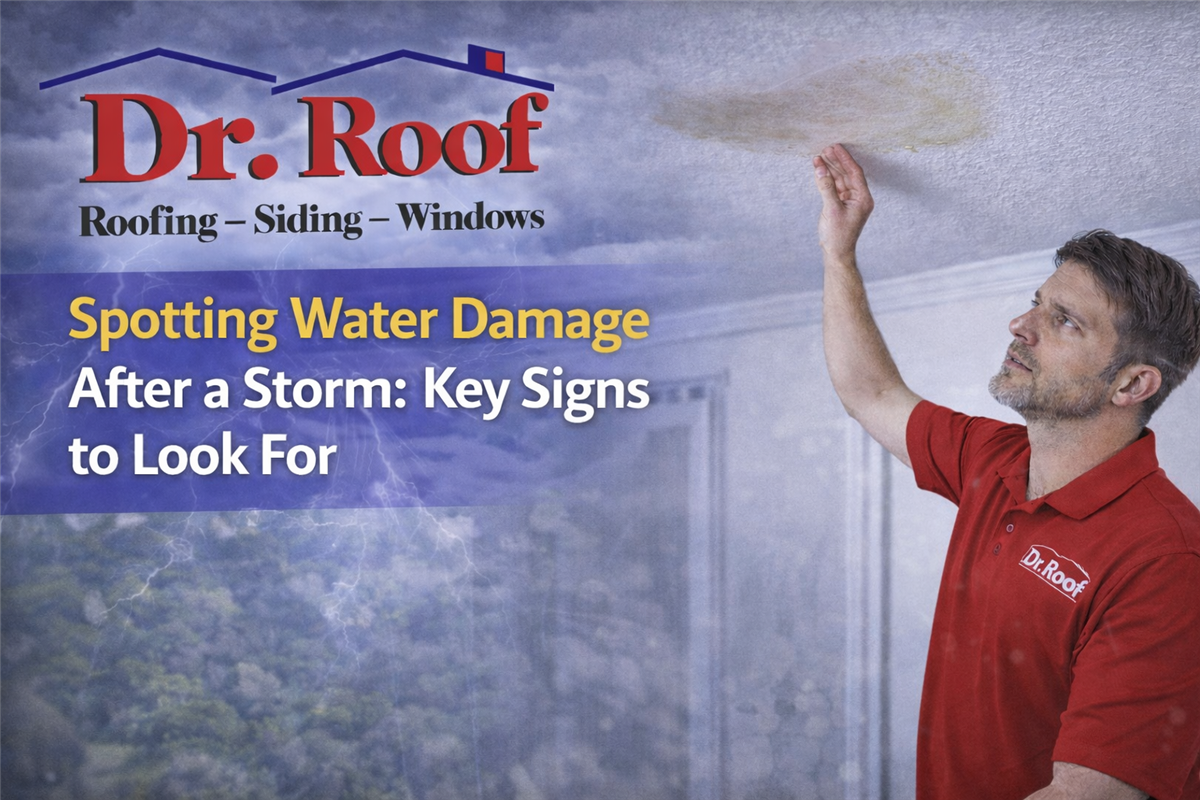
After a storm, identifying potential water damage early is crucial for homeowners to prevent costly repairs and health hazards; this guide highlights key signs of water damage, like ceiling stains and musty smells, enabling quick action to protect your property; uniquely focusing on post-storm inspections, it's a must-read for homeowners seeking proactive home maintenance, featuring practical tips and common indicators, making storm damage assessment straightforward.
A Timely Intervention: Our Client's Story
Severe weather can unleash heavy rain, strong winds, and hail, potentially compromising your home's structure. While some damage is immediately obvious, such as a fallen tree or missing shingles, water damage can often be insidious.
Recognizing the signs of storm damage early can save homeowners from extensive and expensive repairs down the road. This is a crucial lesson one client learned firsthand in June 2025.
After a particularly severe thunderstorm hit the Atlanta area, a client contacted us about potential roof damage. Upon inspection, Dr. Roof discovered several missing shingles and a small leak in their attic.
The homeowner hadn't noticed any immediate signs inside the house, but the attic showed clear evidence of water intrusion. Dr. Roof was able to repair the roof and address the minor water damage within 5 days.
This swift action prevented what could have become a major mold and structural issue. The total cost was approximately $1,800, significantly less than the estimated $10,000+ for extensive remediation if left unaddressed.
Understanding the Hidden Dangers After a Storm
Beyond the immediate aftermath, water damage can often be insidious, hiding behind walls and under floors. It's vital for homeowners to understand these subtle threats after severe weather.
Prompt identification of water damage is essential to prevent it from escalating into more serious structural issues or health hazards. Early detection is your best defense against long-term problems.
Identifying the Subtle Signs of Water Intrusion
One of the most common indicators of water damage is discoloration on walls or ceilings. These stains may appear as brown or yellow spots, often signaling a leak from the roof or a plumbing issue.
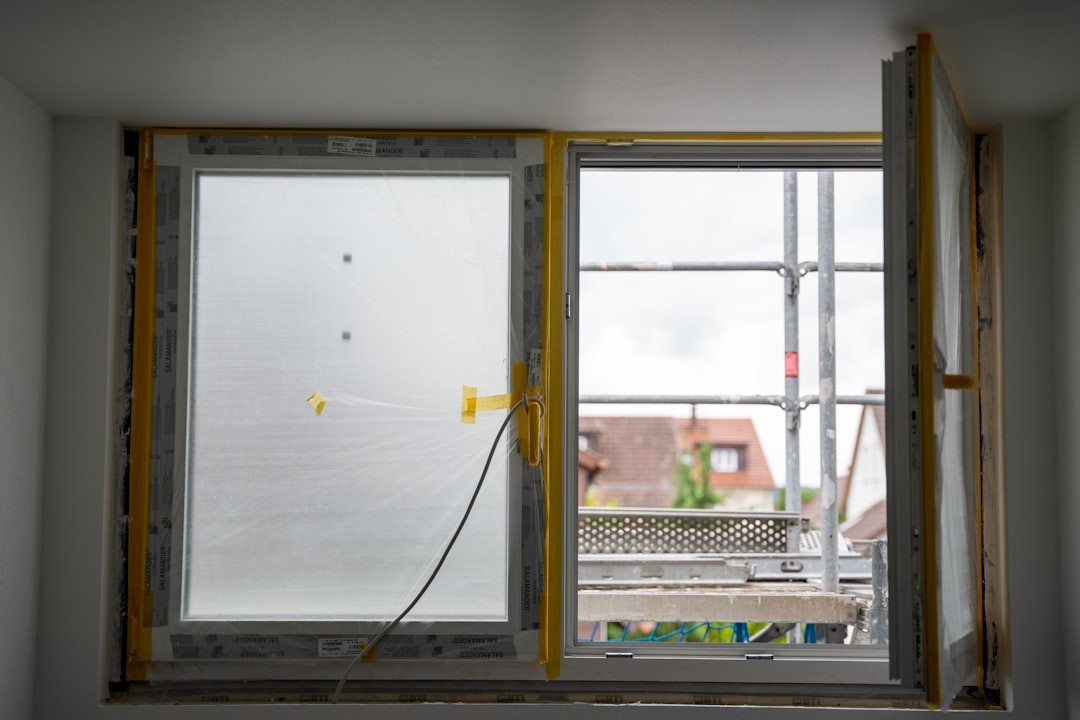
Homeowners should pay close attention to areas around windows and doors, as these are common entry points for water during a storm. Visible dampness or pooling can also be clear indicators.
A musty or moldy odor is another undeniable sign of water damage. If you notice a persistent, unpleasant smell in a particular area of your home, further investigation is crucial.
Mold thrives in damp environments, and its presence often indicates hidden water damage that demands immediate attention. This characteristic smell is frequently most noticeable in basements or crawl spaces.
Changes in the texture of walls or ceilings can also signal underlying water damage. Bubbling, peeling, or cracking paint or wallpaper may indicate moisture is trapped beneath the surface.
Similarly, warped or sagging ceilings are serious indicators of significant water accumulation overhead. These structural changes require prompt evaluation to prevent further deterioration and ensure safety.
Overcoming Obstacles in Damage Detection
During a comprehensive roof inspection after a storm, homeowners should meticulously look for missing, cracked, or damaged shingles. The integrity of your roof is paramount in preventing water entry.
Additionally, check the condition of your gutters and downspouts. Ensure they are clear of debris and properly diverting water away from your home's foundation.
Damaged or clogged gutters can cause water to back up and seep into your home, leading to significant water damage. This often goes unnoticed until visible signs appear indoors.
If you suspect water damage, even without visible signs, consider using a moisture meter to check moisture levels in walls and floors. This tool can identify elevated moisture that is otherwise invisible to the naked eye.
Thermal imaging is another advanced technique that can be employed to detect hidden moisture behind walls and ceilings. These methods provide a more thorough assessment than visual inspection alone.
Basements are particularly vulnerable to water damage after a storm due to their below-grade position. Always check for standing water, damp spots, or water stains on walls and floors.
It's also vital to inspect the foundation for cracks or any signs of water seepage. Such cracks can allow water to enter your basement, leading to significant and costly damage over time.
The Critical Lesson: Act Fast to Prevent Catastrophe
The experience of our Atlanta client vividly illustrates the power of prompt action. Addressing storm damage quickly can drastically reduce overall repair costs and prevent minor issues from becoming major catastrophes.
Had the attic leak gone unnoticed, the $1,800 repair could easily have ballooned to over $10,000 in mold remediation and structural work. Early detection is not just about repair, it's about prevention of greater loss.
Even if you don't see any obvious signs, it's essential to monitor your home closely after a storm. Paying attention to subtle changes in appearance or smell can be a lifesaver for your property.
Regular inspections and maintenance are proactive steps that help prevent severe storm damage and protect your valuable investment. When in doubt, always seek professional guidance.
Your Home, Your Vigilance: Applying Lessons Learned
The checklist below serves as a practical guide for every homeowner to assess potential water damage after a storm. Your vigilance is the first line of defense against costly repairs and further deterioration.
Inspect the Roof: Look for missing, cracked, or damaged shingles.
Check Gutters and Downspouts: Ensure they are clear and functioning correctly.
Examine Walls and Ceilings: Look for discoloration, stains, or changes in texture.
Sniff for Musty Odors: Pay attention to any unpleasant smells in your home.
Inspect the Basement: Check for standing water, damp spots, or foundation cracks.
Remember, addressing storm damage and any resulting water issues promptly is crucial for the longevity and safety of your home. Don't underestimate small indicators of potential problems.
Protecting Your Investment: A Final Reflection
The journey from a storm's impact to a fully recovered home underscores the importance of being prepared and proactive. While the immediate aftermath can be daunting, knowing what to look for empowers homeowners. For expert guidance and timely repairs, partnering with a trusted professional like Dr. Roof is always a wise decision.
Frequently Asked Questions
What is storm damage and why is it important to identify quickly?
Storm damage refers to any harm inflicted on a property by severe weather events, such as hurricanes, thunderstorms, or hailstorms. Identifying it quickly is crucial because unaddressed damage, especially water intrusion, can lead to structural problems, mold growth, and costly repairs.
How long does water damage take to manifest after a storm?
Water damage can manifest within 24-48 hours after a storm. Visible signs like discoloration and dampness may appear quickly, while hidden damage, such as mold growth, can take longer to become apparent, typically within a few days to a week.
What makes a professional storm damage inspection effective?
A professional storm damage inspection is effective because it involves trained experts who know where to look for hidden signs of damage. They use specialized equipment like moisture meters and thermal cameras to detect water intrusion that may not be visible to the naked eye, ensuring a comprehensive assessment.
What mistakes should I avoid when assessing water damage after a storm?
Avoid neglecting to inspect less obvious areas like the attic, basement, and crawl spaces. Also, don't ignore small signs of damage, such as minor discoloration or musty odors, as these can indicate larger underlying problems. Delaying professional assessment can also lead to more extensive and costly repairs.
What are some common signs of water damage after a storm?
Common signs of water damage include water stains on ceilings and walls, peeling paint or wallpaper, musty odors, and visible mold growth. Sagging ceilings or warped flooring are also indicators of significant water accumulation.
Subscribe to Dr. Roof's Blog






Comments