
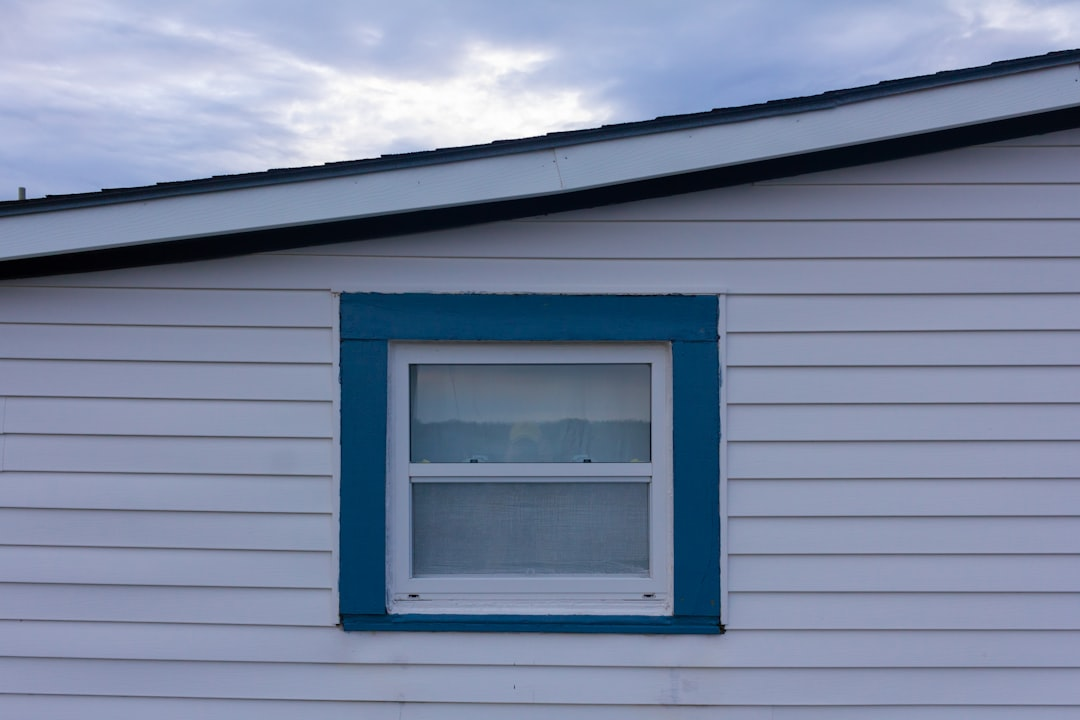
This guide provides homeowners in the Atlanta area with essential information on the lifespan of house siding, helping them understand when siding replacement becomes necessary and how to extend the life of their current siding, focusing on materials, maintenance, and the factors that impact durability. It’s valuable for those noticing wear or damage and considering an upgrade, offering insights into enhancing their home's value and protection, with ‘siding replacement’ as a key search term.
Unlocking Your Siding's Lifespan: A Homeowner's Guide
Understanding the lifespan of your house siding is crucial for maintaining your home's value and structural integrity. Knowing when it's time for siding replacement is essential to prevent further damage.
The average lifespan of siding can vary considerably. It largely depends on the material used, the local climate conditions, and the level of maintenance it receives over time.
Key Factors Influencing Siding Durability
Several key factors directly influence how long your siding will effectively protect your home. Material type is arguably the most significant determinant of longevity for your exterior.
Vinyl siding, known for its durability, can last 20-40 years with proper care. Wood siding typically lasts 10-30 years, but it requires more consistent maintenance.
Fiber cement siding offers an excellent balance of durability and aesthetics. It often performs well for 25-50 years, making it a popular choice for many homeowners.
Your home's climate plays another crucial role in siding longevity. In the Atlanta area, humid summers and occasional severe weather can place significant stress on exterior materials.
Prolonged moisture exposure can lead to rot and decay, especially in wood siding. Additionally, strong winds and hail often cause physical damage, necessitating prompt repairs or replacement.
Consistent maintenance is a critical factor in extending your siding's life. Regular cleaning helps remove dirt, mold, and mildew, preventing long-term material degradation.
Addressing cracks, holes, or any damage promptly is also vital. This prevents water intrusion, which can lead to structural problems and significantly shorten your siding’s effective lifespan.
Understanding the Siding Replacement Process
Recognizing the right time for siding replacement is crucial for your home's protection. Visible signs like rot, warping, or cracking indicate it's time for a closer inspection.
Another indicator is an unexpected increase in energy bills, which suggests your siding may be failing to provide adequate insulation. Interior signs, such as peeling paint or loose wallpaper, can also point to moisture intrusion from failing siding.
Beyond material choice, proper installation is equally vital for your siding's longevity. It is crucial to ensure your new siding is installed correctly by a qualified contractor.
A poor installation can inevitably lead to significant water damage, mold growth, and other issues that dramatically shorten your siding's lifespan. Professional installation ensures proper sealing and robust protection from the elements.
For expert siding replacement services in the Atlanta area, consider partnering with Dr. Roof. Their experienced team ensures precise and durable installations that stand the test of time.
Maximizing Siding Longevity and Home Value
From practical experience, proper preparation is paramount for a successful siding replacement. A client in Marietta, GA, faced significant wood rot in March 2025 due to years of neglect.
After evaluating various options, they chose fiber cement siding and new materials. The three-week project not only enhanced curb appeal but also reduced their energy bills by a remarkable 15% through improved insulation.
This case demonstrates how a strategic siding upgrade, expertly executed by professionals like Dr. Roof, can significantly increase both home value and efficiency.
Pro Tips for Siding Maintenance and Material Selection
To significantly extend your siding's lifespan, consistent and proactive maintenance is essential. This involves washing your siding annually to remove accumulated dirt and debris.
Regularly inspect your siding for any signs of damage, addressing issues promptly to prevent escalation. Additionally, keep trees and shrubs trimmed away from your home to avoid friction and wear.
Always ensure your gutters are clean and functioning correctly. Properly flowing gutters prevent water overflow, which can otherwise lead to siding damage.
Selecting the appropriate material for your siding replacement is a critical decision. Consider its durability, long-term maintenance needs, and overall aesthetic appeal.
Vinyl siding remains a popular choice due to its low maintenance and cost-effectiveness. Fiber cement offers exceptional durability and versatility, often replicating the appearance of natural wood.
While wood siding provides a classic charm, it demands more upkeep.
Ready for Your Siding Project?
Understanding your siding's lifespan and the factors influencing it empowers you to make informed decisions for your home. For comprehensive siding solutions and expert guidance, trust the experienced team at Dr. Roof.
Investing in quality materials and professional installation ensures your home remains protected and beautiful for many years to come.
Frequently Asked Questions
What is Siding Replacement, and why is it important for my home?
Siding replacement involves removing your home's existing siding and installing new material. It’s important because it protects your home from the elements, improves its energy efficiency, and enhances its curb appeal.
How long does a typical Siding Replacement project take?
The duration of a siding replacement project depends on the size of your home and the type of siding being installed. Typically, it takes between one to three weeks to complete a siding replacement project.
What makes fiber cement siding an effective choice for Siding Replacement?
Fiber cement siding is an effective choice due to its durability, resistance to pests and fire, and ability to mimic the look of natural wood. It also requires less maintenance than wood siding.
What mistakes should I avoid with Siding Replacement to maximize longevity?
To maximize longevity, avoid choosing low-quality materials and neglecting proper installation. These common mistakes significantly shorten the lifespan of your siding.
Furthermore, failing to perform regular maintenance can lead to premature wear and costly repairs over time.
What factors influence the average lifespan of house siding?
The lifespan of house siding is influenced by material type, climate conditions, quality of installation, and level of maintenance. Proper care and quality materials can significantly extend its life.
Subscribe to Dr. Roof's Blog





Comments