
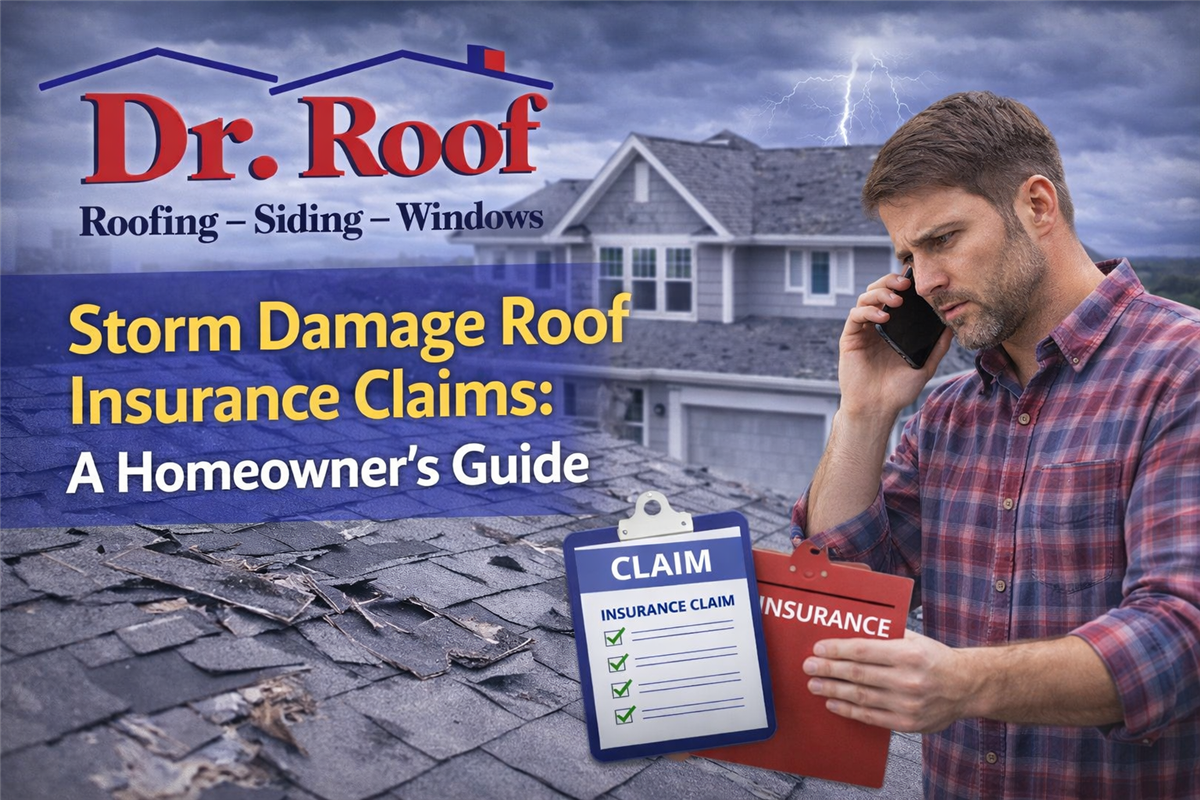
This guide explains how insurance claims work for storm-damaged roofs, providing homeowners with a clear understanding of the process. From documenting the damage to negotiating with your insurance company, learn how to navigate the complexities of filing a claim and understand policy coverage. Receive the compensation needed for repairs, especially helpful for homeowners dealing with severe weather aftermath.
Your Guide to Navigating Storm Damage Roof Claims
Storms can wreak havoc on your roof, leading to leaks, structural damage, and significant stress for homeowners. Filing an insurance claim might seem overwhelming, but understanding the process can ease your worries.
This guide aims to help you get your roof repaired or replaced efficiently. We'll walk you through the complexities of filing a claim, understanding policy coverage, and receiving fair compensation for necessary repairs.
Preparing for Your Roof Claim
The initial step after any storm is always ensuring safety, confirming no one is at risk due to the damage. After confirming safety, begin documenting everything meticulously.
This documentation is vital for a smooth claim process. Start by taking detailed photos and videos of all storm damage to your roof. Capture both interior and exterior damage, including water stains on ceilings or displaced shingles.
The Storm Damage Insurance Claim Process Explained
Next, contact your insurance company as soon as possible to report the storm damage. Most policies have specific timeframes for reporting claims, so prompt action is essential.
Your insurance company will typically assign an adjuster to assess the storm damage. This adjuster will determine the extent of the damage covered by your policy. Be prepared to provide them with all your documentation, including photos, videos, and any repair estimates you've obtained.
It's also a good idea to get estimates from reputable roofing contractors. Dr. Roof, for example, provides thorough inspections and detailed repair estimates that can be submitted to your insurance company.
Having this information upfront can significantly help expedite the claims process. This ensures you receive a fair settlement. Understand what your specific insurance policy covers; policies vary greatly.
Some policies cover the full replacement cost of the roof, while others only cover the actual cash value (ACV), which factors in depreciation. Knowing your coverage limits and deductibles will help you anticipate any potential out-of-pocket expenses.
The insurance adjuster will meticulously inspect your roof, often using specialized tools and knowledge to assess the full extent of the damage. They will then prepare a comprehensive report outlining their findings and recommendations for repairs.
Review the adjuster's report carefully, comparing it to your own assessment and the estimates you've obtained. If you disagree with the adjuster's findings, you have the right to appeal their decision. Provide additional documentation, such as expert opinions from roofing professionals, to support your case.
Once your claim is approved, your insurance company will issue payment for the covered repairs or replacement. Remember that most policies include a deductible, which is the amount you are responsible for paying before the insurance coverage begins.
If your policy covers the full replacement cost, the insurance company typically issues an initial payment for the ACV of the roof. A second payment for the remaining balance is then released once the repairs or replacement are fully completed.
Essential Tips for a Smooth Claim
Selecting the right roofing contractor is crucial for successful repairs. Choose a licensed and insured contractor with a proven track record of quality workmanship.
A GAF Master Elite Certified Contractor like Dr. Roof offers enhanced warranties and guarantees on both labor and materials, providing valuable peace of mind. After the repairs are completed, carefully review the work to ensure it meets your expectations.
Always keep all documentation related to your claim, including repair estimates, invoices, and insurance correspondence. Maintaining organized records will be beneficial for future reference.
Maximizing Your Claim: Advanced Strategies
Navigating insurance claims for storm damage can be challenging, but working with experienced professionals can lead to a successful outcome. Consider all available resources to strengthen your position.
For instance, in March 2025, a client experienced significant hail damage. The insurance company initially offered a settlement far below the actual repair cost. After we provided a detailed estimate from Dr. Roof and appealed the adjuster's decision, the settlement increased by 40%, allowing for full restoration with quality materials.
This process took approximately three weeks but resulted in a structurally sound and aesthetically pleasing roof. Exploring financing options can also help manage expenses and ease financial burdens during the restoration process.
Avoiding Common Claim Mistakes
When filing a storm damage insurance claim, several common pitfalls can hinder your process. One major mistake is failing to thoroughly document the storm damage with photos and videos.
Another error is delaying reporting the claim to your insurance company, as policies often have strict timelines. Accepting the initial settlement offer without careful review is also a common mistake, potentially leaving you undercompensated. Finally, avoid hiring an unlicensed or uninsured roofing contractor, as this can lead to further issues.
Restoring Your Roof: Next Steps
By understanding the insurance claim process and collaborating with experienced professionals, you can ensure a smooth and successful outcome. Always remember to document everything, communicate effectively with your insurance company, and choose a reputable roofing contractor to restore your home to its pre-storm condition.
Frequently Asked Questions
What is storm damage and what types of damage are typically covered by insurance?
Storm damage refers to any damage caused by severe weather events such as hail, wind, heavy rain, or lightning. Insurance policies typically cover damage such as missing or broken shingles, leaks, structural damage, and damage caused by fallen trees or debris.
How long does the insurance claim process for storm-damaged roofs typically take?
The duration of the insurance claim process can vary depending on the complexity of the damage, the responsiveness of the insurance company, and the availability of roofing contractors. In our experience, the process can take anywhere from a few weeks to several months. Documenting everything meticulously and working with an experienced contractor like Dr. Roof can expedite the process.
What makes choosing a GAF Master Elite Certified Contractor beneficial for storm damage repairs?
Choosing a GAF Master Elite Certified Contractor ensures that you are working with a highly qualified and reputable roofing professional. These contractors have undergone extensive training and have a proven track record of quality workmanship. They also offer enhanced warranties on both labor and materials, providing added protection and peace of mind.
What mistakes should I avoid when filing a storm damage insurance claim?
Common mistakes to avoid include failing to document the storm damage thoroughly, delaying reporting the claim to your insurance company, accepting the initial settlement offer without careful review, and hiring an unlicensed or uninsured roofing contractor. Doing your research and documenting is key.
What steps can I take to ensure I receive a fair settlement for my storm damage claim?
To ensure a fair settlement, document the storm damage thoroughly with photos and videos, obtain multiple repair estimates from reputable roofing contractors, carefully review the insurance adjuster's report, and be prepared to appeal their decision if necessary. Providing detailed documentation and expert opinions can strengthen your case.
Subscribe to Dr. Roof's Blog





Comments