
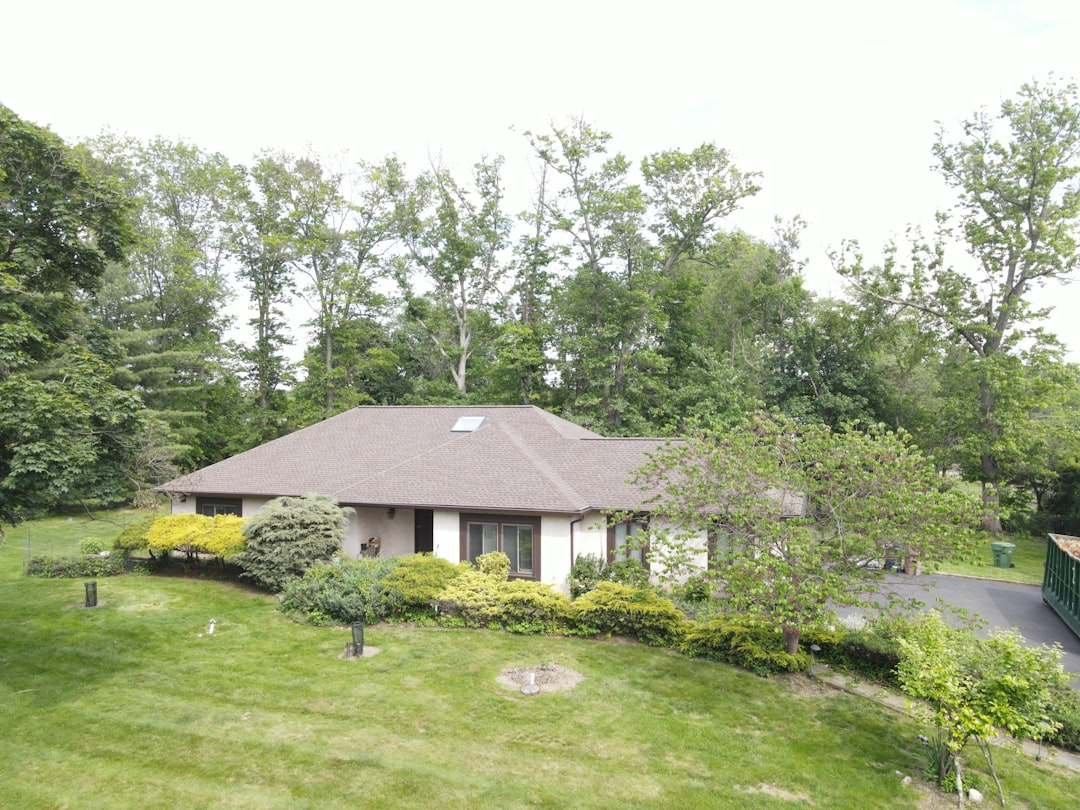
Is your roof showing its age? This guide helps homeowners identify the common signs it's time for a roof replacement, covering everything from missing shingles to sagging. We explain how to spot these issues early and the importance of addressing them to protect your home's value and safety. Key points include material lifespan and storm damage, making it essential for homeowners seeking to maintain their property. Consider this your go-to resource for understanding roof replacement.
Understanding When Your Roof Needs Replacing
Many homeowners wonder when it’s time for a roof replacement. It's a significant investment, so it's crucial to recognize the warning signs before leaks and serious damage occur.
A well-maintained roof protects your home from the elements, preserves its structural integrity, and enhances curb appeal. Ignoring these signs can lead to costly repairs down the line.
Key Factors to Consider Before a Roof Replacement
The age of your roof is a primary factor. Most roofs have a lifespan of 20-25 years, though this can vary depending on the materials used.
If your roof is nearing this age, it's wise to start planning for a roof replacement, even if you don't see any visible damage yet. Regular inspections can help determine the extent of wear and tear.
For expert guidance on assessing your roof's age and condition, consider a consultation with Dr. Roof. Their team can provide a comprehensive evaluation tailored to your home.
Identifying Common Signs of Roof Deterioration
One of the most obvious signs is damaged or missing shingles. Check for shingles that are cracked, curled, or buckling. These issues can compromise your roof's integrity.
After a particularly severe storm in April 2025, a client's roof was inspected where nearly 30% of the shingles had lifted or were missing entirely. This exposed the underlayment and made the home vulnerable to water damage.
A simple roof replacement, which took 3 days, saved them from potentially thousands of dollars in interior repairs. Addressing shingle damage promptly is key to preventing further issues.
Granules in your gutters are another red flag. As shingles age, they lose granules, which end up in the gutters source.
While some granule loss is normal, excessive amounts indicate that your shingles are deteriorating and that a roof replacement may be needed. This signal should not be ignored.
Leaks in your attic are a major warning sign. Water stains on your ceiling or walls, or musty odors in the attic, can indicate a compromised roof.
These leaks can cause significant damage to insulation, drywall, and other structural components. Addressing leaks promptly is essential to prevent further problems and protect your home.
Sagging is another critical indicator that the roof is failing. A sagging roof is a sign of structural problems, such as water damage or rot, and could indicate that a roof replacement is urgent.
This issue often requires immediate attention to prevent collapse and ensure the safety of your property. Ignoring a sagging roof can have severe consequences.
Moss or algae growth, especially in shaded areas, can trap moisture and damage your shingles. While they may seem harmless, they can shorten the lifespan of your roof and lead to deterioration.
During a consultation in June 2025, a client with heavy moss growth was advised to get a roof replacement. After the replacement, they reported a noticeable improvement in their home’s energy efficiency.
This improvement reduced their cooling costs by approximately 15%, demonstrating the hidden benefits of a new roof. Keeping your roof clear of growth is important.
Consider the 25% rule of roofing, which states that if more than 25% of your roof is damaged, it is time to replace it. This rule provides a practical threshold for replacement.
The Importance of Timely Roof Action
Finally, if your neighbors are getting new roofs, it might be time to consider one yourself. Houses in the same neighborhood are often built around the same time, using similar materials.
So, if other homeowners are investing in roof replacements, it could be a sign that your roof is nearing the end of its lifespan as well. This can be a useful community indicator.
Ignoring these signs can lead to extensive damage and costly repairs, making a roof replacement a necessary investment. Proactive measures save money in the long run.
For example, water damage can lead to mold growth, which poses health risks and requires professional remediation. Structural damage can compromise the safety of your home, putting your family at risk.
Mistakes to Avoid During Roof Replacement
One common mistake is choosing the cheapest contractor without verifying their credentials or insurance. This can lead to subpar work and future problems.
Another is neglecting to address underlying structural issues before installing the new roof. Always ensure the contractor is certified and experienced, and that any necessary repairs are made to the roof deck.
Working with a reputable company like Dr. Roof ensures these critical steps are never overlooked, providing peace of mind throughout the process.
Proactive Measures and Professional Inspections
Sometimes, the damage is not visible from the ground. Therefore, it is best to have a professional come out to do a roof replacement inspection.
This will allow you to be aware of the situation and potential outcomes, providing peace of mind. A thorough inspection can uncover hidden issues before they escalate.
A comprehensive inspection from Dr. Roof can provide a clear picture of your roof's health and recommend appropriate solutions, ensuring your home's longevity.
Ready for Your Next Steps?
Understanding the signs of a deteriorating roof is crucial for protecting your home and investment. Don't wait for major damage; regular checks and professional insights can save you significant time and money. If you suspect your roof needs attention, contact Dr. Roof for a professional assessment and guidance on your next steps.
Frequently Asked Questions
What is roof replacement and why is it important?
Roof replacement is the process of removing an existing roof and installing a new one. It's important because a damaged or deteriorating roof can lead to leaks, structural damage, and decreased energy efficiency. A new roof protects your home and enhances its value.
How long does a typical roof replacement take?
The duration of a roof replacement can vary depending on the size and complexity of the roof, as well as weather conditions. However, most residential roof replacements can be completed in 1-3 days.
What makes a professional roof replacement effective?
An effective roof replacement involves thorough preparation, high-quality materials, and skilled installation. Proper ventilation, adequate insulation, and correct shingle alignment are essential for a long-lasting, weather-resistant roof. A professional ensures all these elements are correctly addressed.
How does a roof replacement impact home value and energy efficiency?
A new roof can significantly increase your home's value, with estimates of return on investment ranging from 60% to 70% source. It also improves energy efficiency by providing better insulation and ventilation, reducing heating and cooling costs. In my experience, I have seen homes raise in value and have more buyers when the roof has been recently replaced.
Why should I consider a roof replacement if my neighbors are getting one?
Houses in the same neighborhood are often built around the same time, using similar materials and construction methods. If your neighbors are replacing their roofs, it’s a strong indicator that roofs in your area are nearing the end of their lifespan due to age or common environmental factors. It's wise to consider an inspection for your own home.
Subscribe to Dr. Roof's Blog





Comments