
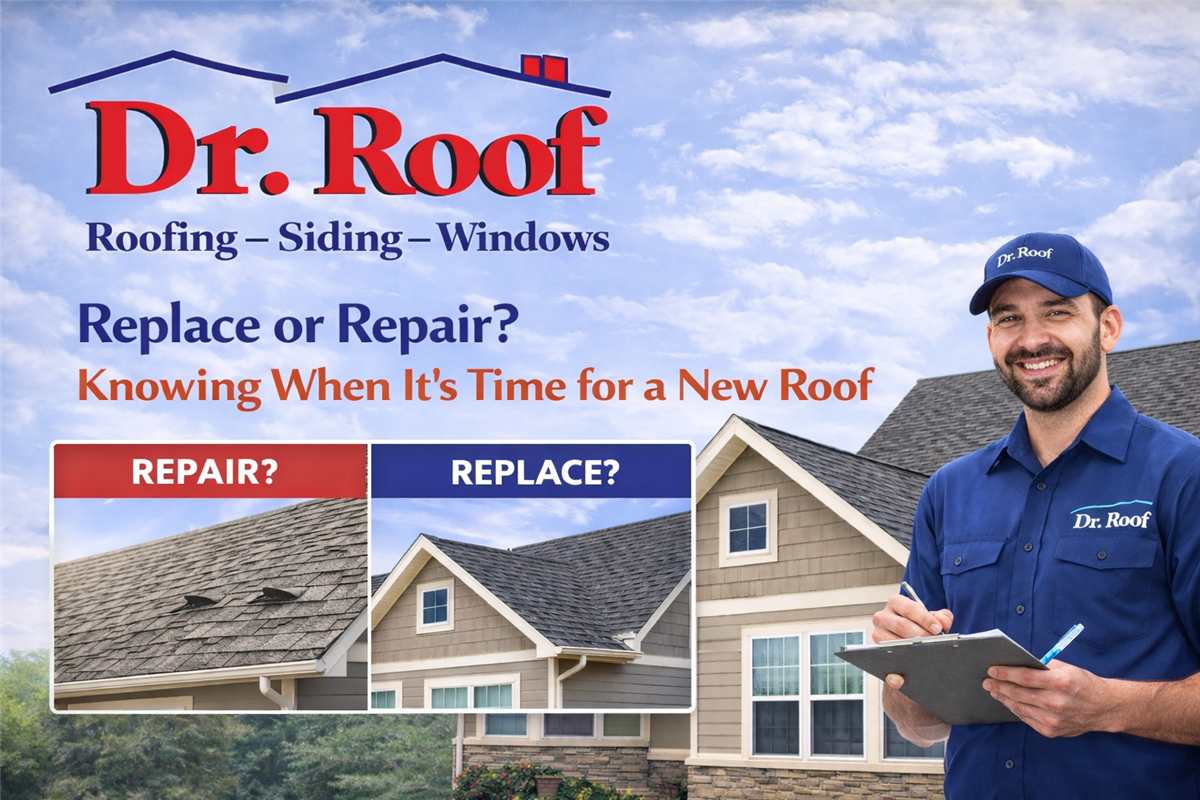
This guide helps Atlanta homeowners decide when to pursue roof replacement versus roof repair. It focuses on factors like roof age, extent of damage, and long-term costs for a long-lasting roofing solution.
Aimed at ensuring home safety and value, you'll learn to assess your roof's condition and make informed decisions. Gain key insights on material lifespans and professional evaluations for a secure future. Key search phrases: roof replacement, roof repair.
When to Repair, When to Replace Your Roof
Deciding whether to repair or replace your roof is a critical decision every homeowner faces. It's a balance between immediate cost savings and long-term investment for your home.
With decades of experience in the Atlanta area, Dr. Roof has seen countless roofs and helped homeowners navigate this dilemma. Understanding the key factors influencing this decision can save you money and prevent future headaches.
Initial Steps: Assessing Your Roof's Condition
Before making any decisions, begin by understanding your roof's current state. The age of your roof is a primary consideration, as most have a lifespan of 20-25 years depending on the material.
If your roof is nearing the end of its life expectancy, frequent repairs may only be a temporary fix. In such cases, a full roof replacement might be the more sensible and cost-effective long-term option.
Another crucial factor is the extent of any existing damage. Minor leaks, a few missing shingles, or localized issues can often be effectively repaired to extend your roof's life.
However, widespread damage from storms, rot, or significant structural issues often indicates that a complete roof replacement is necessary for your home's safety and integrity.
Making an Informed Decision: The Evaluation Process
Properly evaluating your roof's condition is essential for making the right decision. Begin by checking for visible damage like missing, cracked, or curling shingles on your roof's surface.
Also, inspect the flashing around chimneys, vents, and skylights for any signs of deterioration or damage. These small details can often be critical indicators of underlying issues.
Next, inspect your attic for water stains, mold, or rot on the underside of the roof decking. These are clear signs of leaks and potential structural problems that require attention.
Even without obvious visible damage, if your roof is over 20 years old, its materials may be deteriorating. This makes it more susceptible to leaks and other issues, signaling a need for careful consideration.
Finally, a qualified roofing contractor can provide a thorough assessment of your roof’s condition. They offer expert advice on the best course of action, identifying hidden issues and providing accurate estimates for repairs or replacement.
In September 2025, for example, a homeowner contacted us regarding a leak in their relatively new, 10-year-old roof. Our inspection revealed the leak was caused by faulty vent flashing.
We quickly and inexpensively repaired the flashing, saving the homeowner the cost of a full roof replacement. This illustrates how targeted repairs can be the right solution for specific issues.
However, if the damage had been more extensive or the roof significantly older, a complete roof replacement would have been the more appropriate and beneficial option for long-term protection.
Long-Term Value Versus Short-Term Fixes
Always consider the long-term costs associated with roof repair versus replacement. While repairs may seem cheaper initially, recurring issues can quickly accumulate.
These cumulative repair costs can potentially exceed the expense of a new roof over time. A new roof, conversely, provides a fresh start with a comprehensive warranty, offering peace of mind.
Ignoring seemingly minor problems can lead to more significant and costly repairs down the road, compromising your home's integrity. Addressing the root cause ensures a long-lasting solution and prevents future damage.
Avoiding Costly Roofing Missteps
One common and easily avoidable mistake is neglecting to check the warranty on your existing roof. Many quality roofing materials come with a warranty that covers defects or premature failure.
If your roof is still under warranty, you might be able to get necessary repairs or even a full roof replacement covered by the manufacturer. Always review your documentation before proceeding with any work.
Optimizing Your Roof's Longevity: The Ventilation Factor
Homeowners often underestimate the critical importance of proper attic ventilation for their roof's health. A poorly ventilated attic can trap heat and moisture, leading to premature roof deterioration.
This can also cause ice dam formation in winter and significantly increased energy costs year-round. Ensuring adequate airflow is vital for the longevity and efficiency of your roofing system.
For instance, in March 2025, Dr. Roof worked with a client in Roswell whose 15-year-old roof showed significant wear. We discovered their attic ventilation system was operating at only 40% efficiency.
We recommended installing additional vents to drastically improve airflow. Within two months, the client reported noticeably decreased energy bills and signs of their roof drying out.
This experience underscored the importance of addressing underlying systemic issues rather than simply patching up visible symptoms. A holistic approach leads to more lasting and effective solutions.
Your Next Steps Towards a Secure Roof
Making the right decision for your roof involves evaluating its age, damage, and your budget. For expert advice and a clear path forward, seeking a professional assessment is crucial. Dr. Roof offers complimentary inspections and estimates to help you make an informed choice that protects your home and investment.
Frequently Asked Questions
What is Roof Replacement and when is it necessary?
Roof Replacement involves removing your old roofing materials and installing new ones. It's necessary when your roof is old, extensively damaged, or beyond repair, ensuring your home is protected from the elements.
How long does Roof Replacement take?
The duration of a roof replacement project varies depending on the size and complexity of the roof, as well as weather conditions. Typically, a residential roof replacement takes 3-5 days to complete.
What makes a quality Roof Replacement effective?
A quality roof replacement involves using high-quality materials, following proper installation techniques, and ensuring adequate ventilation. Proper flashing and sealing around vents and chimneys are also essential for preventing leaks.
What mistakes should I avoid with Roof Replacement?
Avoid cutting corners on materials, hiring unlicensed contractors, and neglecting to address underlying issues such as inadequate ventilation or damaged decking. These mistakes can compromise the integrity of your new roof and lead to costly repairs down the road.
What are the benefits of choosing Dr. Roof for my roof replacement?
Dr. Roof offers industry-leading warranties on both labor and materials, ensuring peace of mind and long-term protection for your investment. Our GAF Master Elite certification reflects our commitment to quality craftsmanship and customer satisfaction. With over 30 years of local industry experience, we have the expertise to handle any roof replacement project with precision and care.
Subscribe to Dr. Roof's Blog



Comments