
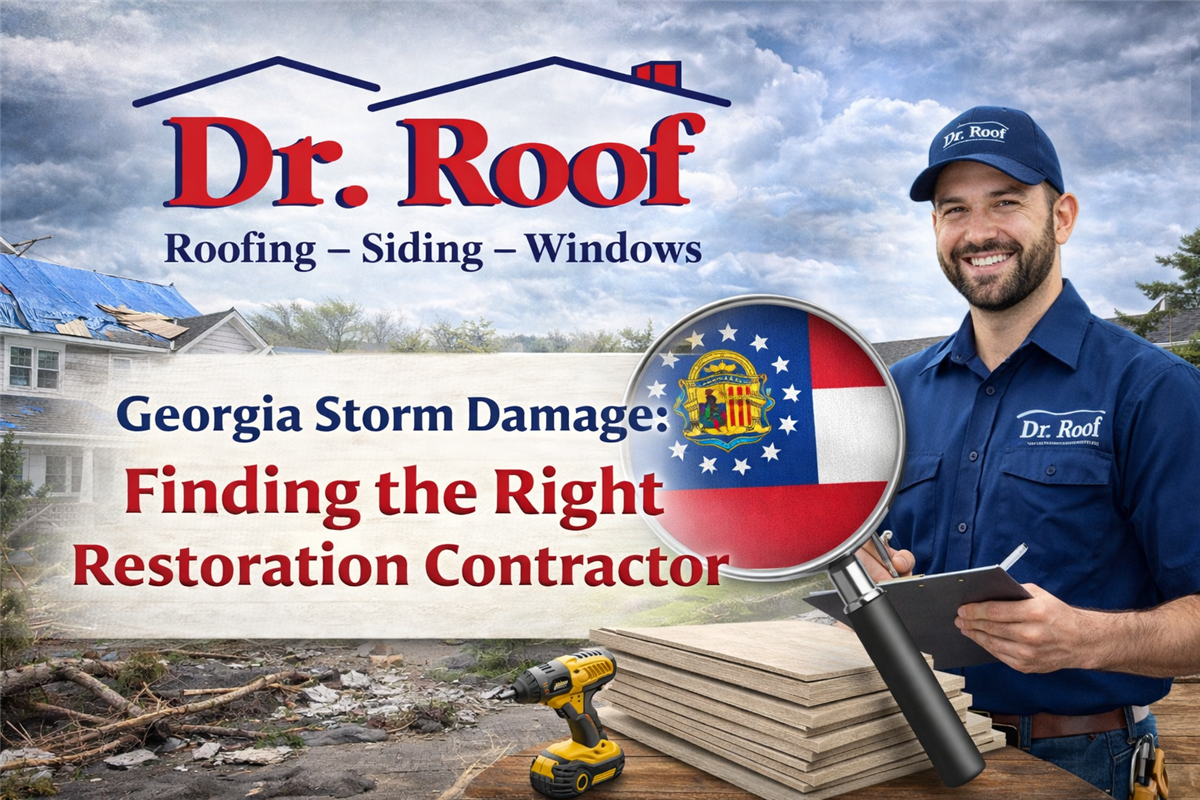
Finding the right storm damage restoration contractors in Georgia is crucial for homeowners facing the aftermath of severe weather. This ensures proper repairs and efficient navigation of insurance claims.
This guide offers key considerations for Georgia residents seeking reliable professionals to restore their homes after a storm. It emphasizes quality craftsmanship and comprehensive service for peace of mind, helping readers understand important aspects of storm damage.
A Homeowner's Journey Through Storm Damage
Dealing with storm damage to your home in Georgia can be a stressful and overwhelming experience. From high winds and heavy rains to hailstorms and tornadoes, the elements can wreak havoc on your property, leaving you with damaged roofs, siding, and more.
Finding reliable storm damage restoration contractors is essential to ensure your home is repaired quickly, efficiently, and to the highest standards. This guide will walk you through the process, providing valuable insights and tips to help you make an informed decision.
Setting the Scene: The Impact of Georgia Weather
Georgia’s unique weather patterns often bring severe storms, posing significant challenges for homeowners. These events can lead to extensive damage, requiring expert intervention to restore properties safely and effectively.
Understanding the common types of storm damage and the urgent need for professional restoration sets the stage for a successful recovery process. Navigating the aftermath requires diligent planning and execution.
The Restoration Process: Key Steps and Considerations
Your journey to recovery begins by evaluating potential contractors. First, consider their credentials, ensuring they are licensed and insured to operate in Georgia, and possess certifications from reputable industry organizations.
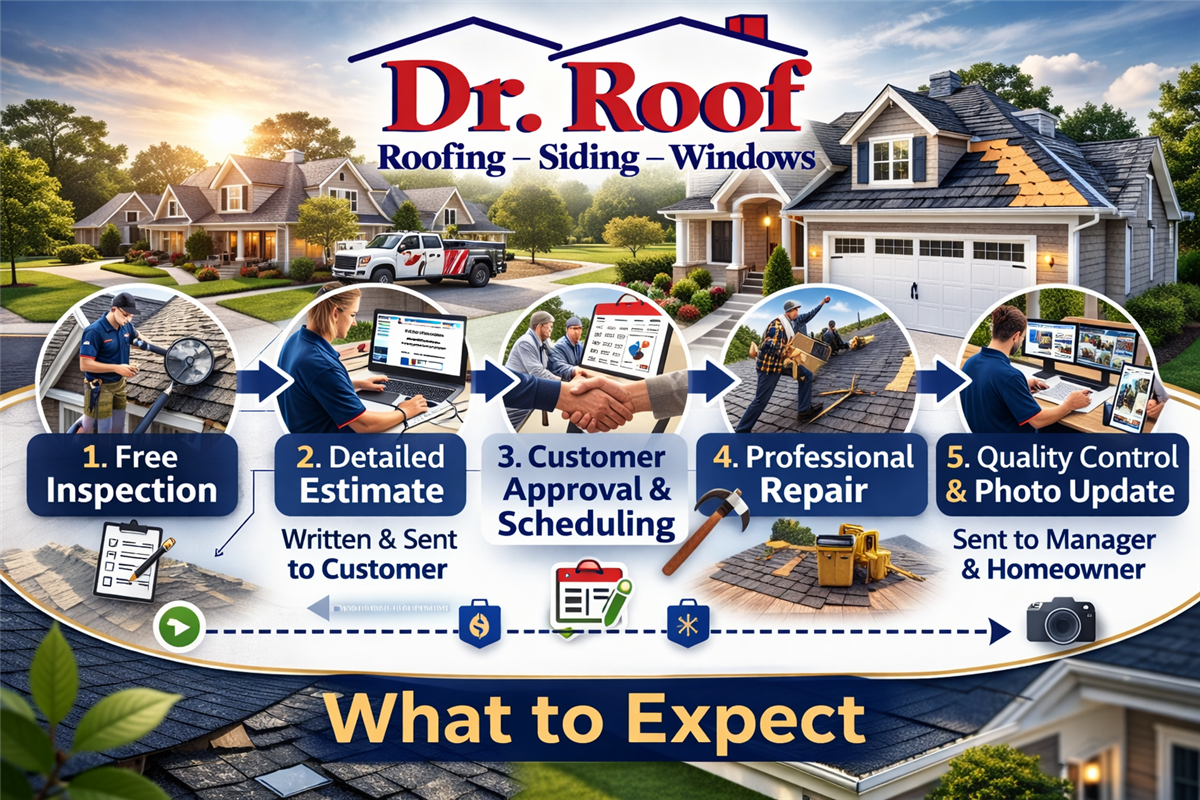
For example, Dr. Roof holds the GAF Master Elite certification, a testament to their commitment to quality and expertise. This certification also allows them to offer superior warranties on both labor and materials, providing you with added peace of mind.
Experience also matters significantly when selecting a contractor. A company with a long track record in the Georgia area is more likely to understand the specific challenges posed by local weather patterns.
Dr. Roof, for instance, has been serving the Atlanta metropolitan area since 1988, giving them over 30 years of experience in dealing with storm damage and other home improvement needs. This longevity speaks to their stability and commitment to the community.
Navigating insurance claims can be a headache, so look for storm damage restoration contractors who offer comprehensive insurance assistance. They should help you document damage, file claims, and work with your insurance company for fair compensation.
A reputable contractor should also offer a comprehensive warranty on their work. Compare the warranties offered by different contractors to ensure you're getting the best possible coverage for your investment.
Financing options can also be an important factor for larger repair projects. Some contractors offer plans to help you manage the cost of repairs. Explore these options and compare terms to find a plan that fits your budget.
Overcoming Challenges: Communication and Quality
In our experience, clear communication is absolutely key during the restoration process. Back in June 2025, we worked with a homeowner in Marietta, Georgia, whose roof was severely damaged by a hailstorm.
We spent considerable time clearly explaining the damage assessment, repair options, and insurance claim process to them. After we completed the roof replacement in just under 3 weeks, they told us our clear, proactive communication reduced their stress level by at least 50% compared to their past experiences with contractors.
When selecting storm damage restoration contractors, don't be afraid to ask detailed questions. Inquire about their experience with similar projects, their process for handling insurance claims, and their warranty coverage. Always get everything in writing to avoid misunderstandings down the road.
A detailed contract should outline the scope of work, payment terms, and timeline for completion. It is always better to be over-prepared than under-prepared when dealing with significant home repairs.
Key Insights: The Value of Trust and Durability
This experience highlighted the profound value of transparency and open dialogue in building trust with clients. Effective communication is not just a courtesy; it's a critical component of stress reduction during a difficult time for homeowners.
Finally, consider the long-term value over just the initial cost. Choose storm damage restoration contractors who use high-quality materials and employ skilled craftsmen, ensuring your repairs are durable and long-lasting.
Investing in quality upfront can save you money and headaches in the long run, protecting your home for years to come. Prioritizing expertise and durable solutions offers the best outcome.
Connecting the Story: Your Path to a Restored Home
Choosing the right storm damage restoration contractors involves a systematic approach, ensuring you select a partner who will restore your home effectively. Here is a step-by-step guide for evaluating and comparing contractors:
- Verify Licensing and Insurance: Ensure the contractor is properly licensed and insured to operate in Georgia, with proof of current licenses and insurance certificates.
- Check Certifications: Look for certifications from reputable industry organizations, such as GAF Master Elite, confirming their status on the organization's website.
- Review Experience and Reputation: Research the contractor's experience with storm damage and read online reviews, seeking consistent positive feedback from previous customers.
- Assess Insurance Assistance: Inquire about their experience with insurance claims and their ability to assist, expecting a clear outline of the process and examples of successful claims.
- Compare Warranties: Carefully compare the warranties offered, ensuring comprehensive coverage for both labor and materials for an extended period.
Conclusion: Restoring Peace of Mind
Navigating storm damage requires informed decisions and reliable partners. By prioritizing credentials, experience, clear communication, and quality workmanship, homeowners can ensure their property is restored to the highest standards. Choosing the right storm damage restoration contractors ultimately brings peace of mind and lasting protection for your home.
Frequently Asked Questions
What is storm damage restoration?
Storm damage restoration involves repairing and restoring properties that have been damaged by severe weather events such as hurricanes, tornadoes, hailstorms, and floods. It includes services like roof repair, siding replacement, water damage mitigation, and structural repairs.
How much does storm damage repair cost in Georgia?
The cost of storm damage repair varies widely depending on the extent of the damage, the type of materials used, and the contractor you choose. Minor repairs might cost a few hundred dollars, while major repairs could range from several thousand to tens of thousands of dollars.
What are the best questions to ask storm damage restoration contractors?
Key questions to ask include: Are you licensed and insured? Do you have experience with storm damage claims? What type of warranty do you offer? Can you provide references from previous clients? What is your estimated timeline for completion?
What should I consider when choosing storm damage restoration contractors?
Consider their credentials, experience, reputation, insurance assistance, warranty coverage, and financing options. Also, prioritize clear communication and customer satisfaction to ensure a smooth and successful restoration process.
Does Dr. Roof offer storm damage insurance assistance?
Yes, Dr. Roof offers comprehensive storm damage insurance assistance, helping homeowners document damage, file claims, and work with their insurance companies to ensure fair compensation for repairs.
Subscribe to Dr. Roof's Blog



Comments