
TL;DR
This guide provides a clear understanding of James Hardie siding warranties, outlining what's covered, the duration of the protection, and important factors to consider when planning a siding replacement project, specifically for Atlanta homeowners seeking long-term value and peace of mind, including details about product defects and installation issues. Learn more about the benefits of quality siding and the importance of warranty coverage; key words: Siding Replacement, James Hardie.
The Complexity of Siding Warranties
Choosing new siding for your home is a significant investment, and understanding the warranty behind that investment is crucial. James Hardie siding is a popular choice known for its durability and aesthetic appeal, but what does their warranty really cover? Let's delve into the details to help you make an informed decision about your siding replacement project.
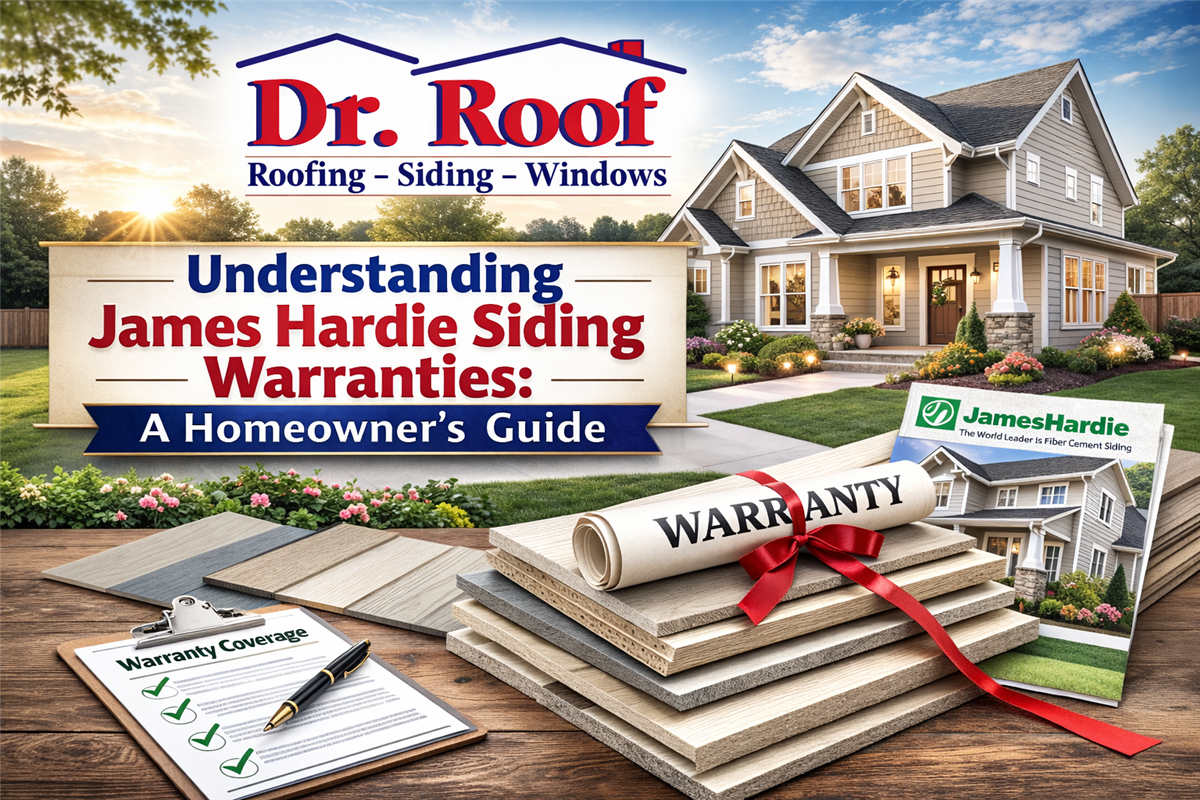
The James Hardie siding warranty generally covers defects in manufacturing that result in the product failing to perform as it should. This includes issues like cracking, chipping, or rotting of the siding material itself. It's important to note that the warranty has specific terms and conditions, so reading the fine print is essential.
The Critical Value of Warranty Protection
When considering siding replacement, homeowners often weigh the upfront cost against the long-term benefits. A strong warranty provides peace of mind, knowing that you’re protected against potential material defects. However, warranties don't typically cover damage caused by external factors like weather events, fire, or impact from objects. It's also worth noting that the paint finish on pre-painted James Hardie siding usually has a separate warranty, often covering peeling, flaking, or cracking for a specified period. Financing options can make even premium siding like James Hardie more accessible, especially when considering the long-term cost savings from a robust warranty.
Understanding Warranty Limitations and Voiding Factors
One crucial aspect of the James Hardie warranty is the requirement for proper installation. The company provides detailed installation guidelines that must be followed to maintain warranty coverage. This includes using the correct fasteners, maintaining proper clearances, and ensuring adequate ventilation behind the siding. Improper installation is a leading cause of warranty claims being denied. That’s why choosing a certified installer like Dr. Roof is crucial to protect your investment.
A Systematic Approach to Warranty Evaluation
One of the most important considerations is comparing warranty coverage with other siding options. While other materials may have lower upfront costs, their warranties might be less comprehensive than James Hardie’s. Assessing the duration and scope of coverage helps you determine the overall value and potential long-term expenses associated with each siding choice.
To confidently evaluate your options, consider this simple process: Review the warranty documents. Obtain and carefully read the complete warranty documents for James Hardie siding. Check for installation requirements. Pay close attention to the installation requirements outlined in the warranty. Compare warranty coverage. Compare the warranty coverage with other siding options you're considering. You'll know it's working when you can confidently explain the warranty terms to a friend and understand how they apply to your home. These steps will guide you in selecting the siding that provides the best combination of durability, aesthetics, and warranty protection.
Implementing Your Warranty Protection Strategy
In our experience, helping homeowners navigate these decisions has been incredibly rewarding. In June 2025, we worked with a client who was initially hesitant about investing in James Hardie siding due to the higher upfront cost compared to vinyl. After explaining the comprehensive warranty and potential savings on future repairs, they decided to proceed. After 18 months, a minor installation issue arose due to a slight error by a subcontractor; however, because we are a GAF Master Elite certified contractor, we handled the repair and submitted a successful warranty claim with James Hardie. The client saved approximately $1,500 in repair costs, reaffirming the value of the warranty and proper installation.
Core Principles for Maximizing Your Warranty
There are generally two types of siding warranties: material warranties and workmanship warranties. Material warranties cover defects in the siding products themselves, while workmanship warranties cover errors or issues caused by the installation process. James Hardie offers a material warranty, and Dr. Roof provides a workmanship warranty to further protect your investment. The James Hardie warranty is also transferable, though restrictions apply. Transferring the warranty to a new homeowner can add value to your property if you decide to sell. However, the transfer process must be completed according to James Hardie’s guidelines, and certain limitations may apply to the coverage for subsequent owners.
Preventing Future Siding Warranty Issues
The best way to ensure a successful siding replacement project and protect your investment is to work with a certified James Hardie installer like Dr. Roof. A certified installer has the training, experience, and expertise to properly install the siding according to James Hardie’s guidelines, maximizing the chances of a successful installation and minimizing the risk of warranty issues. This underscores the importance of hiring a qualified and experienced contractor for your siding replacement.
Securing Your Home's Future
Choosing the right siding is a significant decision, and the James Hardie warranty provides homeowners with valuable protection against material defects. Understanding its terms, ensuring proper installation, and partnering with experienced professionals are key to securing your investment. By carefully evaluating your options and considering the long-term benefits, you can make an informed decision that enhances your home’s durability, aesthetics, and overall value for years to come. Contact Dr. Roof today for a free consultation and let us help you choose the perfect siding for your home!
Frequently Asked Questions
What is Siding Replacement and why is it important?
Siding replacement involves removing your old or damaged siding and installing new material. It's important because it protects your home from the elements, improves energy efficiency, and enhances curb appeal, ultimately increasing your home's value.
How much does Siding Replacement cost?
The cost of siding replacement varies depending on the type of siding material chosen, the size of your home, and the complexity of the installation. On average, homeowners can expect to invest between $8,000 and $20,000 for a complete siding replacement project, but the increase in home value and energy savings often justify the expense.
What are the best siding options to buy?
The best siding options include James Hardie fiber cement siding, vinyl siding, wood siding, and metal siding. James Hardie is known for its durability and resistance to pests and fire, while vinyl is a cost-effective and low-maintenance choice.
What should I consider when buying siding?
When buying siding, consider factors like durability, aesthetics, maintenance requirements, energy efficiency, and cost. You should also evaluate the warranty coverage and the reputation of the siding manufacturer to ensure a long-lasting and reliable investment.
What are the benefits of choosing James Hardie Siding?
James Hardie siding offers numerous benefits, including exceptional durability, resistance to pests and fire, a wide range of styles and colors, and a comprehensive warranty. Many of our clients report that, after switching to James Hardie siding, they have experienced a noticeable reduction in maintenance costs and improved energy efficiency.
Subscribe to Dr. Roof's Blog



Comments