
TL;DR
This guide highlights common problems after a roof replacement, focusing on issues like leaks, improper shingle installation, and ventilation concerns, providing homeowners with the knowledge to identify these issues and ensure their new roof functions correctly, crucial for maintaining home value and preventing future damage, with keywords including roof replacement and home maintenance.
Understanding Post-Replacement Roof Issues
After a roof replacement, homeowners expect a secure and reliable roof over their heads. However, sometimes issues arise even after the project is completed. Identifying these problems early can prevent costly repairs and ensure the longevity of your new roof. Several factors can contribute to problems following a roof replacement, ranging from installation errors to material defects.
Common Underlying Causes of Roof Problems
One of the most common issues homeowners face is leaks. Leaks can occur due to improperly installed flashing around chimneys, vents, and skylights. Flashing is designed to create a waterproof barrier, and if it's not correctly installed, water can seep into the attic or ceilings. Another potential source of leaks is incorrect shingle overlap or fastening. Shingles need to be installed with the proper overlap to ensure water runs off the roof effectively. If they're not nailed or stapled correctly, they can lift or slide, exposing the underlayment to the elements.
Inadequate ventilation is another frequent problem. A properly ventilated roof allows for airflow, which helps regulate the temperature in the attic and prevents moisture buildup. Without proper ventilation, heat and moisture can damage the shingles and lead to mold growth. This can also cause ice dams in colder climates, which can further damage the roof. Ridge vents, soffit vents, and gable vents all play a role in ensuring adequate airflow. Material defects can also contribute to post-roof replacement problems. While reputable roofing contractors use high-quality materials, defects can occasionally occur. Shingles may have manufacturing flaws that cause them to crack or deteriorate prematurely. Underlayment may not be as waterproof as it should be, leading to leaks.
Sometimes, aesthetic issues can arise. Uneven shingle alignment or color variations can detract from the appearance of the roof. While these issues may not affect the roof's functionality, they can be a concern for homeowners who want their home to look its best. Clear communication with the contractor throughout the roof replacement process can help prevent these aesthetic issues from the outset.
The Cost of Neglect: Why Prompt Action Matters
Addressing these problems promptly is crucial. Ignoring minor issues can lead to more significant damage over time, potentially escalating repair costs and compromising your home's structural integrity. Regular inspections can help identify potential problems early, preventing them from becoming major headaches. It's also essential to keep records of all work done on the roof, including warranties and contracts. This information can be invaluable if you need to file a claim or seek recourse for defective materials or workmanship.
Homeowners should also be aware of rules like the "25% rule" in some areas. This rule, sometimes part of local building codes like the Florida Building Code, dictates that if 25% or more of a roof is damaged, the entire roof must be brought up to current code standards during repair or roof replacement source. This can significantly impact the scope and cost of the project. Understanding this rule helps homeowners plan and budget accordingly. Furthermore, according to Windermere Real Estate, the statute of limitations for construction defects varies by state source. Being informed about these legal aspects can help homeowners avoid potential entanglements and protect their investment.
Building a Strong Foundation: Choosing the Right Contractor
Choosing the right roofing contractor is paramount to avoiding post-roof replacement problems. A reliable contractor ensures quality materials and expert installation. Dr. Roof has been serving the Atlanta metropolitan area since 1988, holding the GAF Master Elite certification, which reflects our commitment to high standards. We offer industry-leading warranties on both labor and materials and emphasize customer satisfaction through our "Make-It-Right" guarantee.
A Systematic Approach to Addressing Issues
When the Dr. Roof team worked on a residential roof replacement project in Alpharetta, Georgia, in March 2025, we encountered a situation where the original roof had significant ventilation issues. The attic was trapping moisture, which had caused some of the old shingles to deteriorate prematurely. After we completed the roof replacement, the homeowner reported that their energy bills had decreased by approximately 15% and the indoor temperature was more consistent. This outcome highlighted the importance of proper ventilation in maintaining roof health and energy efficiency.
Here is a systematic process for addressing post-roof replacement issues:
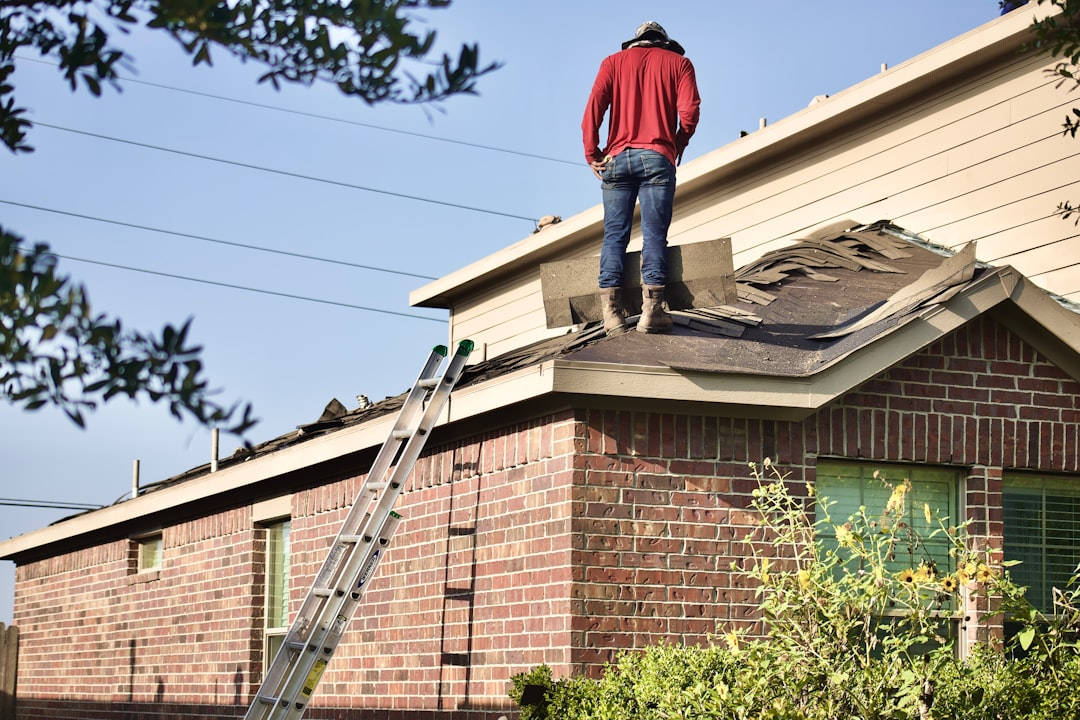
Conduct a thorough inspection of the roof, looking for signs of leaks, such as water stains or drips in the attic.
Check the flashing around chimneys, vents, and skylights to ensure it is properly sealed and in good condition.
Inspect the shingles for proper alignment, overlap, and fastening. Look for any shingles that are lifted, cracked, or missing.
Verify that the roof has adequate ventilation. Check the soffit vents, ridge vents, and gable vents to ensure they are not blocked or obstructed.
Contact your roofing contractor immediately if you notice any issues. Provide them with detailed information about the problem and schedule a follow-up inspection.
Proactive Steps for Long-Term Roof Health
By taking these preventative steps and addressing issues promptly, homeowners can proactively identify and mitigate post-roof replacement problems, ensuring the long-term performance and value of their new roof. Regular maintenance and prompt repairs are key to protecting your investment and maintaining a safe and comfortable home. Dr. Roof advocates for homeowners to be vigilant and informed, and we stand ready to assist with expert inspections and solutions.
Securing Your Investment: Lasting Roof Performance
A roof replacement is a significant investment that safeguards your home and comfort. By understanding potential post-replacement problems, recognizing their underlying causes, and employing a systematic approach to solutions, homeowners can ensure their new roof delivers lasting performance. Choosing a reputable contractor and committing to proactive maintenance are fundamental to securing this crucial home asset for years to come.
Frequently Asked Questions
What is roof replacement and when is it necessary?
Roof replacement involves removing the existing roofing materials and installing new ones. It's typically necessary when the roof is old, extensively damaged, or showing signs of significant wear and tear, ensuring the structural integrity and protection of the home.
How long does roof replacement typically take?
The duration of a roof replacement project can vary depending on factors such as the size and complexity of the roof, weather conditions, and the availability of materials. Generally, a residential roof replacement takes 2-5 days to complete.
What makes a roof replacement effective?
An effective roof replacement involves using high-quality materials, proper installation techniques, and ensuring adequate ventilation. It also includes addressing any underlying structural issues and adhering to local building codes for long-term performance.
What mistakes should I avoid with roof replacement?
Common mistakes to avoid include hiring an unlicensed or inexperienced contractor, using cheap or substandard materials, neglecting proper ventilation, and failing to address underlying structural problems. Proper planning and due diligence are critical.
What is the "25% rule" in roofing and how does it impact roof replacement costs?
The "25% rule" in roofing, present in some building codes, stipulates that if 25% or more of the roof is damaged, the entire roof must be replaced to meet current code standards source. This can increase the project's overall cost and scope, requiring homeowners to budget for a full roof replacement rather than a partial repair.
Photo by boris misevic (@borisview) via Unsplash
Subscribe to Dr. Roof's Blog



Comments