
TL;DR
This guide helps Georgia homeowners find reliable storm damage restoration contractors specializing in residential properties. It covers assessing damage, selecting a contractor, dealing with insurance, and understanding warranties for peace of mind and a restored home. Ideal for homeowners facing roof, siding, or gutter damage after a severe weather event looking for reliable professionals who understand the specifics of storm damage repair. Focus will be on finding contractors that are local and GAF Master Elite certified.
Navigating Storm Damage Restoration in Georgia
Dealing with the aftermath of a storm can be incredibly stressful, especially when your home has suffered damage. In Georgia, where severe weather is common, knowing how to find reliable storm damage restoration contractors is crucial for protecting your property and ensuring a smooth recovery process. This guide provides Georgia homeowners with the information they need to navigate the complexities of storm damage repair and choose the right professionals for the job.
Preparing for Your Restoration Project
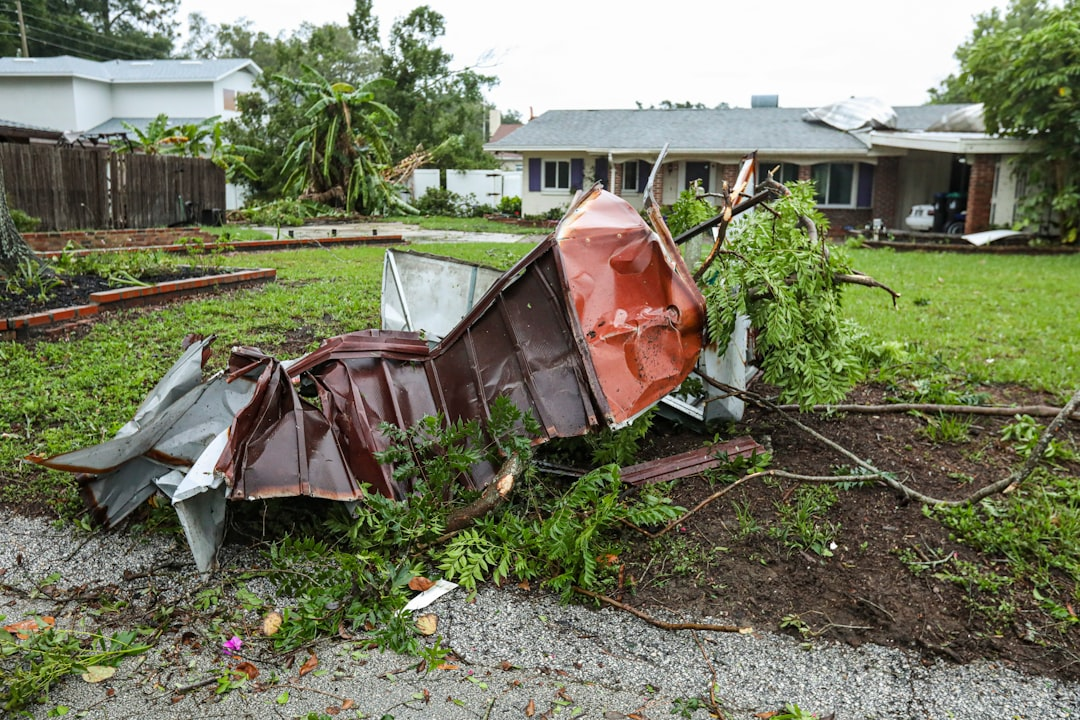
Before initiating any repairs, it's essential to assess the damage thoroughly. After a storm, carefully inspect your roof, siding, windows, and gutters for any signs of damage. Look for missing shingles, cracks, leaks, or dents. Document everything with photos and videos to provide a clear record for your insurance company and potential contractors. This initial documentation is a prerequisite for a smooth restoration process and ensures you have all the necessary evidence for claims.
Key Steps in Contractor Selection
Choosing the right contractor is paramount, as quality and experience significantly impact the longevity of repairs. Focus on finding licensed, insured contractors with a strong track record. A GAF Master Elite certification, for instance, is a robust indicator of quality and professionalism. Dr. Roof, for example, is a GAF Master Elite Certified Contractor, demonstrating adherence to stringent requirements and a commitment to ongoing excellence. Furthermore, a reputable contractor will offer comprehensive warranties on both labor and materials, protecting your investment. Dr. Roof provides industry-leading lifetime warranties, covering workmanship and materials for long-term peace of mind.
Navigating Insurance and Financing
The insurance claim process can be daunting, but an experienced contractor can provide invaluable assistance. They can help document damage, prepare necessary paperwork, and negotiate with your insurance company for a fair settlement. Many reputable contractors, including Dr. Roof, offer comprehensive storm damage insurance assistance, working directly with your insurer to streamline claims and reduce homeowner stress. Additionally, consider contractors who offer flexible financing options, such as "Same-As-Cash" plans, to help manage the costs of large-scale repairs without immediate financial strain.
A Proactive Restoration Approach: A Case Study
In my experience, dealing with a hailstorm that caused significant roof damage to a client’s home in Roswell, GA in July 2025 highlighted the importance of a proactive approach. When I stepped in to help with the claim and restoration process, the homeowner was completely overwhelmed. Within 5 days, we had a detailed inspection report and estimates ready for the insurance adjuster. Because of our detailed documentation and negotiation, the insurance company approved the full replacement of the roof. The project, from initial assessment to final inspection, took 3 weeks. We coordinated directly with the insurer, saving the client considerable time and frustration. The new roof not only restored the home's protection but also increased its market value, and it gave the family peace of mind as well.
Essential Steps for Evaluating Contractors
When evaluating contractors for storm damage restoration, following a structured process can significantly improve your decision-making. Here are the steps to ensure you choose the best professional:
Schedule initial consultations with at least three different contractors to compare their approaches and estimates.
Verify credentials, confirming that each contractor is licensed, insured, and has a good reputation. Check online reviews and ask for references.
Ensure the contractor conducts a thorough inspection and provides a detailed written estimate outlining the scope of work, materials, and costs.
Inquire about their experience with insurance claims and their ability to assist you in navigating the process effectively.
Review the warranty terms and conditions carefully to understand the coverage and duration on both labor and materials.
Maximizing Protection and Avoiding Pitfalls
To ensure long-term resilience, look for contractors offering comprehensive services beyond basic repairs, including roofing, siding, window replacement, painting, and gutter systems. This allows you to address all aspects of storm damage with a single contractor, ensuring consistency and coordination. Also, make sure they have experience with a variety of roofing materials, as different options offer varying levels of protection against future storm damage. Investing in high-quality materials and a robust gutter system is paramount to avoid future water damage and costly repairs. Over 30 years of local experience can be a key differentiator for a contractor, demonstrating a long-term commitment to the community and a proven ability to handle a wide range of storm damage situations effectively.
Your Next Steps to a Fully Restored Home
To ensure a smooth and successful restoration experience, begin by thoroughly assessing your damage and documenting it meticulously. Prioritize selecting a reputable contractor based on their licensing, insurance, GAF Master Elite certification, and robust warranty offerings. Actively engage with their insurance claim assistance and explore available financing options. By following these steps and prioritizing quality craftsmanship and customer satisfaction, you can effectively navigate the complexities of storm damage repair and restore your home with confidence. You'll know you're on the right track when you receive clear, transparent communication, a detailed estimate, and a comprehensive warranty from your chosen contractor. It is important to get documentation from both your insurance company and your contractor.
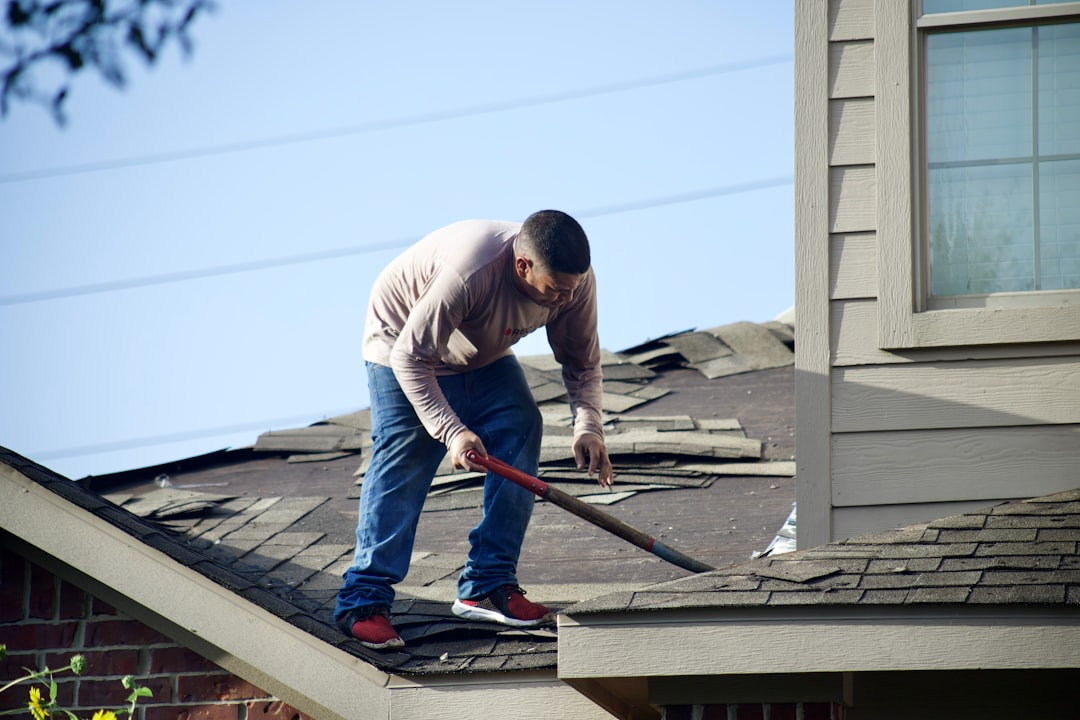
Photo by Mick Haupt (@rocinante_11) via Unsplash
Frequently Asked Questions
What is storm damage restoration?
Storm damage restoration involves repairing and rebuilding parts of your home that have been damaged by severe weather events like hurricanes, tornadoes, heavy rain, or hail. This often includes roofing repairs, siding replacement, and window or gutter system fixes to restore your home to its pre-storm condition.
How much does storm damage restoration cost?
The cost of storm damage restoration varies depending on the extent of the damage, the materials used, and the contractor you choose. Small repairs might cost a few hundred dollars, while major restoration projects could range from several thousand to tens of thousands of dollars. Obtain multiple estimates to compare pricing.
What are the best options to buy when dealing with storm damage?
When dealing with storm damage, consider investing in high-quality roofing materials, impact-resistant windows, and durable siding to better protect your home from future storms. Also, a comprehensive gutter system is paramount to avoid water damage and costly repairs down the road.
What should I consider when buying storm damage restoration services?
Consider the contractor's experience, certifications (like GAF Master Elite), warranties offered on labor and materials, and their ability to assist with insurance claims. Also, ensure they are licensed and insured to protect yourself from liability.
What is the typical timeline for storm damage restoration projects?
The timeline for storm damage restoration can vary. Minor repairs might take a few days, while larger projects can take several weeks or even months, depending on the availability of materials and the contractor's workload. In my experience, a full roof replacement in 2025 typically took around 3 weeks from initial inspection to final sign-off.
Subscribe to Dr. Roof's Blog





Comments