
Although winters in Atlanta are usually mild, ice storms pose a serious risk to residential roofs across North Georgia. Freezing rain, ice accumulation, and repeated freeze–thaw cycles can damage roofing systems in ways that are not always visible right away.
Understanding how ice storms affect your roof can help you spot early warning signs and avoid costly repairs later.
Why Ice Storms Are Hard on Atlanta Roofs
Atlanta homes are generally not designed for prolonged ice accumulation. When freezing rain coats shingles, gutters, and roof edges, it creates weight and moisture issues that roofing systems here don’t routinely experience.
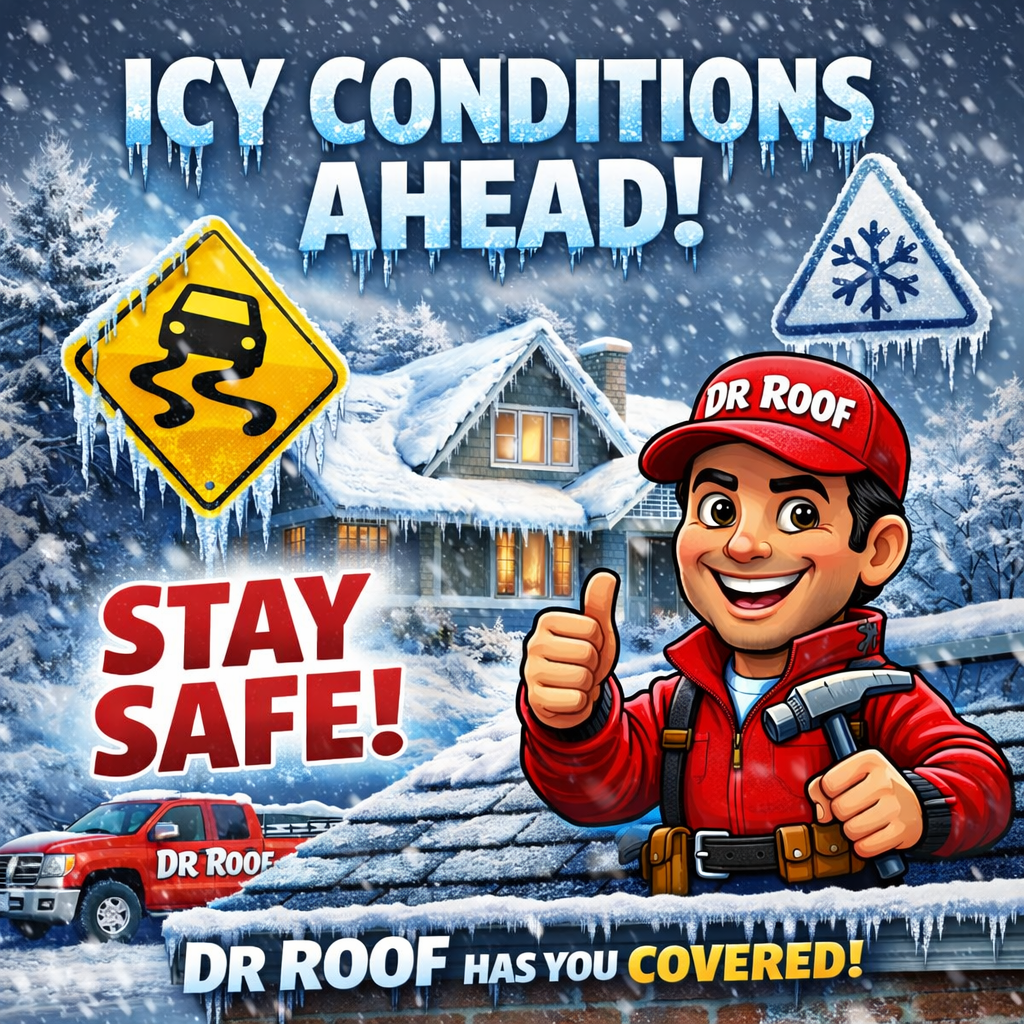
Ice Adds Dangerous Weight
Ice is significantly heavier than snow. When it accumulates on a roof:
Structural components can be stressed
Older roofs are more vulnerable
Low-slope and complex roof designs common in metro Atlanta face higher risk
Damage may occur even if the roof looks normal from the ground.
Ice Dams and Water Intrusion
Ice dams form when heat from the home melts ice higher on the roof and water refreezes at the eaves. This blocks proper drainage and can force water under shingles and into the attic or walls.
This is one of the leading causes of winter roof leaks in Atlanta.
Shingle and Flashing Damage
Cold temperatures can make shingles brittle. Ice expansion and wind can:
Crack or lift shingles
Break adhesive seals
Loosen flashing around chimneys, vents, and valleys
These issues often lead to delayed leaks, appearing weeks or months later.
Freeze–Thaw Cycles Accelerate Roof Wear
Atlanta’s frequent temperature swings cause ice to melt and refreeze repeatedly. Over time, this:
Worsens small cracks
Degrades sealants
Shortens roof lifespan
Signs of Ice Storm Roof Damage
Homeowners should watch for:
Ceiling or wall stains
Bubbling paint or drywall
Sagging or detached gutters
Icicles along roof edges
Musty attic odors
Why a Post-Storm Roof Inspection Matters
Many ice-related roof problems aren’t visible without a professional inspection. Identifying damage early can prevent structural repairs, mold growth, and interior damage.
Subscribe to Dr. Roof's Blog




Comments