This guide explains window energy ratings for homeowners planning a window installation project. It clarifies key terms like U-factor, SHGC, and VT, helping you select...
Continue ReadingFrequently Asked Questions
Roof Leaks
Builder grade roofs are sometimes installed without the best attention to detail in areas where leaks may occur most often. The places where pipes or walls penetrate through the roof are often the first to leak because the builders contractor may not have installed the flashing appropriately. The shingles themselves may fail prematurely without proper attic ventilation. Many roofs installed on new homes in the Atlanta area experience leaks within the first ten years. Its unfortunately quite common.
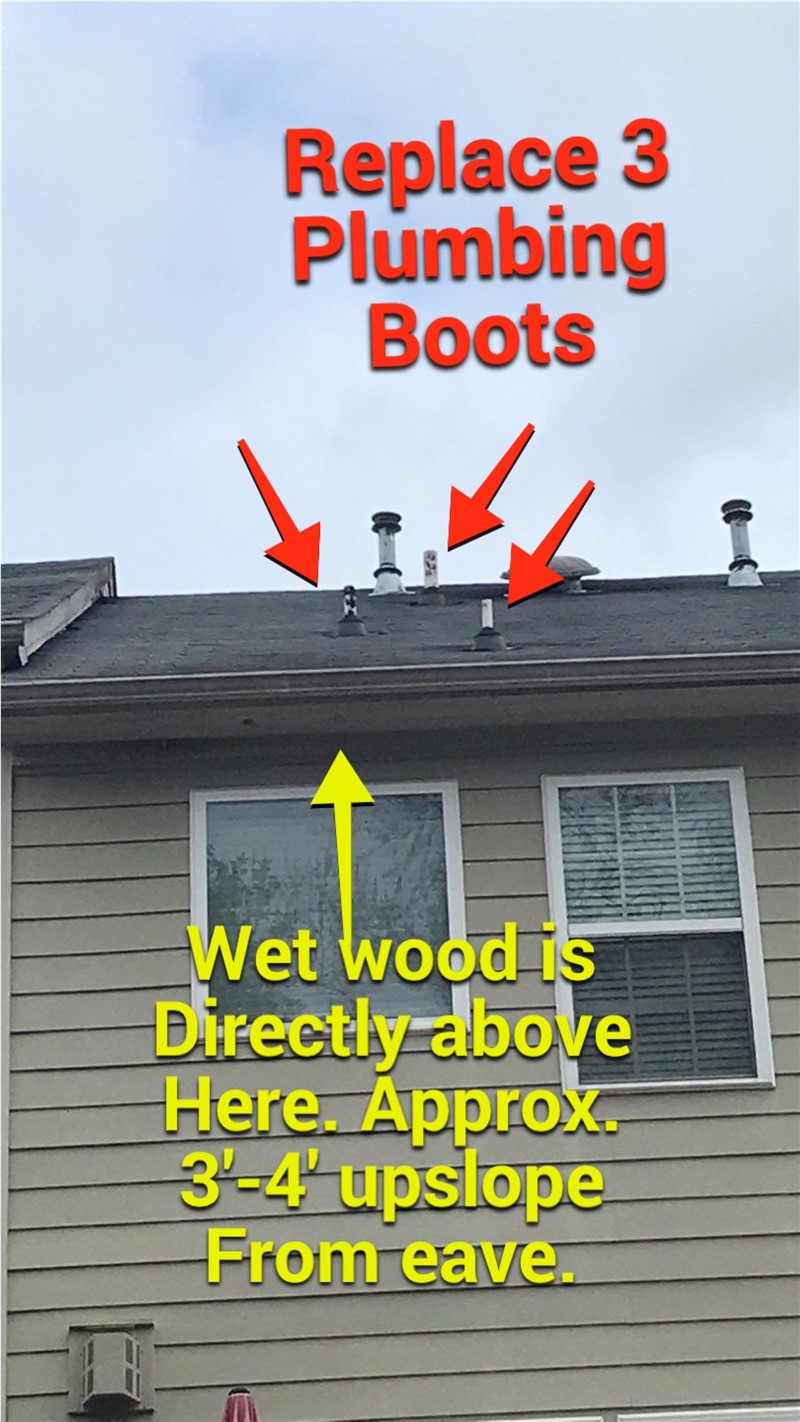
Roof leaks often take months or even years to slowly seep in. First they rot the wood in the immediate vicinity of the roof, in the attic, and then the water may eventually find its way all of the way into the interior of the house in heavy rain conditions. Roof leaks are often detected long after they began, and may not be close to the area of initial water penetration due to the way water runs and travels along the various surfaces in the attic, walls and ceilings of the house.
Deciding if its worth repairing vs replacing a roof depends largely on two factors.
1. The age of the roof.
2. The quality of the installation of the roof.
If the roof is approaching 20 years of age, it may be time to consider replacing it rather than fixing leaks as they start to spring up.
If the roof is leaking frequently and it is less than 10 years old, a roofer should examine the quality of the installation. If it is installed well, and the the leak is isolated, it may be ok to repair only as needed. If it is discovered that there are major flaws built into the way to roof was put on, then leaks may become a recurring issue. This is a major consideration to go ahead with replacement sooner than later.
Yes, sometimes the roof leak may allow water into the house along the edge, and then the water may travel down along vertical walls, rather that hitting a ceiling directly. Sometimes the leaks on walls however can also be caused by problems with the brick, siding or stucco façade on the home. A thorough inspection and process of elimination may be necessary to solve the roof leak.
A roofer should provide a comprehensive quote. However, there are some items which are unknown until the work begins and the underside of the roof can be exposed. If the wood under the roof shingles and felt has begun to rot, it will need to be replaced before the new materials can be installed. This wood repair is usually an additional charge, unless the quote included a set number of wood repairs.
A roof is a lot more than shingles. And usually a roof leak is not caused because of a direct failure of the shingles themselves (unless they were literally blow off the roof or became dislodged). A roof leak us usually caused by an issue where something (like a vent pipe, wall, or chimney) penetrates through the roof line, and the flashing meant to bridge the gap between the protrusion and the roof line fails. That's why its common to have roof leaks around chimneys, vent pipes, antennas installed on the roof, and any other item that comes up through the roof. If not installed correctly, a leak can happen fairly quickly, but it may take time for the stains to appear inside the home. This means the leak may occur for a long period of time before you become aware of it.
First, you are not alone! We receive a call like this every so often. There can be a long period of dry weather, and then we receive a call from a client who thinks they've just spotted a roof leak in their house. So what's going on when this happens? There are several possibilities.
1. There is a plumbing pipe which may be leaking in the ceiling.
2. There is condensation happening somewhere above the ceiling, perhaps in the attic, which is collecting and then leaking into the house. This can happen at the change of a season when the temperature differentials are most pronounced between the inside and outside of a home.
3. There really was a roof leak (at some point in the past), and you only noticed it now. Its what we call an in-active leak because there is no water flowing into the home at that moment, but you are noticing the damage caused from when it rained and leaked previously.
4. A bathtub of shower could have flooded and leaked to the floor below.
5. An air conditioner condensation pipe is blocked and is backing up into the house and leaking somewhere.
This is why Dr Roof's experts diagnosticians are so important. They start by eliminating the possible causes to try and solve the problem for you - even if its nothing to do with the roof!
Roof leaks are commonly caused by damaged or missing shingles, cracked or loose flashing, worn sealant around roof penetrations (vents, skylights, chimneys), clogged gutters, or storm damage. Over time, normal wear and tear can also lead to leaks if roof repairs are not addressed promptly.
Signs of a roof leak include water stains on ceilings or walls, bubbling or peeling paint, damp insulation, mold or mildew smells, and dripping water during rainstorms. If you notice any of these issues, it’s important to schedule a professional roof inspection.
A roof leak is a serious issue and should be repaired as soon as possible. Even a small roof leak can cause structural damage, wood rot, insulation damage, and mold growth if left untreated. Early roof repair can prevent more expensive damage.
Yes, many roof leaks can be repaired without a full roof replacement. If the damage is localized, roof repair such as replacing shingles or fixing flashing may be sufficient. A full replacement is usually only recommended if the roof is old or has widespread damage.
Most roof leak repairs can be completed in a few hours, depending on the severity of the damage and roof type. Emergency roof repairs are often handled the same day, weather permitting.
The cost of roof leak repair depends on the cause of the leak, roof material, and extent of damage. Minor repairs are typically more affordable, while extensive damage may cost more. A professional roof inspection is the best way to get an accurate estimate.
Homeowner’s insurance often covers roof damage caused by sudden events such as storms, wind, or fallen debris. Roof leaks caused by normal wear and tear or lack of maintenance are usually not covered. It’s best to review your policy or speak with your insurance provider.
Yes, emergency roof repair is available for active or severe leaks. Temporary measures such as tarping may be used to prevent further damage until permanent repairs can be completed safely.
DIY roof leak repairs are not recommended. Roof work can be dangerous, and temporary fixes often fail to address the root cause of the leak. Hiring a professional roofing contractor ensures the repair is done safely and correctly.
Regular roof inspections, timely roof repairs, keeping gutters clean, and addressing minor issues early can help prevent roof leaks. Routine maintenance extends the life of your roof and reduces the risk of costly repairs.
The best way to find reliable roof repair near you is to choose a local roofing company that services Metro Atlanta, GA or Huntsville, AL, has strong reviews, proper licensing, and experience with local weather-related roof damage. Local roofers respond faster and understand regional roofing needs. Dr Roof has over 38 years of experience making roof repairs, and serves the Metro Atlanta and Huntsville, AL areas.
We provide roof repair services throughout Metro Atlanta—including surrounding suburbs—and across Huntsville and nearby North Alabama communities. If you’re searching for “roof repair near me,” chances are we serve your area.
If you’re searching for “roof repair near me” in Metro Atlanta or Huntsville, contact us to schedule a professional roof inspection. Early roof repair helps prevent costly damage and extends the life of your roof.
New Roofs and Roof Replacements
Great question! The answer is that a roof is a complex system of very detailed parts, that if installed too fast can result in mistakes and roof leaks down the road. So, it should take some time to install a roof with the attention to detail it needs. That said, if a large crew is completing the work, it can be completed in a relatively short period of time - many hands make light work. If a crew of a smaller size is installing the roof it may take a bit longer. Of course, the size of the roof matters too. A roof of 20 square or less typically takes 1 to 2 days. Anything over 20 square in size can take 2 to 5 days depending on the maximum size of the roof and complexity. Sometimes if we double to crew size we can manage to install more in less time, but our independent inspectors will ensure the roof is installed to the highest standards. Watch this video to learn more.
It is certainly in the thousands, if not tens of thousands - depending on the size of the roof. Not to mention that when the old roof is removed, all those nails are removed too! None are reused. Roofers have to work hard to ensure when disposing of the old roof that all the nails that come off are properly cleaned up from the yard and disposed of. Its a tedious but necessary step and magnets are a roofers best friend. It certainly helps to have the lawn cut before removing an old roof, so the magnets can better reach any nails that may fall in the yard.
Luckily, in Georgia, we don't have very many days where the temperature becomes a challenge for installing a new roof. Therefore it is one of several states where roofing happens all year round, and it is common for roofs to be replaced any time of year.
The cost to replace a roof on a home is highly variable. It depends on the size of the roof (how many square feet), the pitch of the roof (the angle of the steepness), how high up the roof is (one, two, or three story home, and what type of shingle is being installed. Each estimate is custom to the house and the desired products. That said, the average roof replacement is between $8,000 and $15,000. It is a big range of course, and some roofs are less ($5,000 for example) and some very large roofs can be much more ($25,000 to $80,000 ). Because the cost is highly variable, Dr Roof offers free estimates for new roof installs.
The difference between a roof with three tab shingles and architectural shingles is more that just aesthetic. Yes, they do look different - and your choice can be made based on this alone - but is it important to understand they are physically different in thickness to each other. What does the difference in thickness mean to you practically when choosing what roof to install? The thicker the shingle, the longer the manufacturer will warranty the shingle for. A three tab shingle is warrantied for 25 years typically (some shingle manufacturers make a version that goes to 30 years). While an architectural shingle is warrantied for "life" - which is 50 years or so practically speaking. It is something to consider when speaking with your roofer.
Both are important, but one should not be sacrificed for the other. Dr. Roof offers fair pricing that affords above average quality when replacing roofs in Atlanta. There is no substitute for quality, and the repair costs down the road after a cheap sub-par roof install more than off set the initial investment in a quality roof. Trust Dale explains more in this video:
Installing a new roof after removing the old seems like a simple situation. But did you know, some roofers go out of their way to save money by reusing old roofing parts when installing the new roof. This sometimes can lead to roof leaks being built into the new roof from day one. Its a good idea to ensure the contract specifies new materials will be used when installing a new roof. Who wants old tires on a new car?
A roof should be inspected by a qualified roofer after a hail or wind storm. The shingles may have been damaged, but the damage will not be noticeable from the ground - especially to the untrained eye. Check out this video to learn more.
Yes! A roof replacement can be financed and paid off monthly of over a period of time (subject to lender approval and terms and conditions). Just like any other large purchase, a roof replacement is also many people don't plan for and the need for financing is perfectly normal.
Dr Roof offers a variety of financing programs through Wells Fargo which can help people have their roof replacement taken care of today and paid off over a period of time.
There is no reason to break the bank on a new roof. A roof should last a lifetime, so spreading payments over a period of time only makes sense.
You may be surprised to know, homeowners insurance companies can decide to change coverage based on how a house is being maintained. This is especially true for the roof. As a roof becomes older, the granules tend to come loose and the roof performs less efficiently in hail and wind storms. This makes the insurance company nervous to insure an home with an older roof which is already showing signs of wear and tear.
If you receive a letter asking you to have your roof checked by a roofer, Dr Roof is happy to provide an assessment of your roof which you can provide to your insurance company.
Lowering the cost of a roof replacement requires careful planning and consideration of several factors. Here are some tips to help you reduce the overall cost:
1. Obtain Multiple Quotes: Reach out to several reputable roofing contractors to get quotes for the replacement. Compare the estimates carefully, considering factors such as materials, labor, warranties, and any additional services offered. Be sure you are comparing apples to apples. Don't get burnt by a contractor cutting corners to slash pricing!
2. Choose Cost-Effective Materials: While high-end roofing materials may offer durability and aesthetics, they often come with a higher price tag. Opting for more budget-friendly materials that still offer adequate protection can help lower costs. Asphalt shingles are a popular and cost-effective option for many homeowners.
3. Schedule Off-Peak Times: Roofing companies may offer lower rates during their off-peak seasons or times when demand is lower. Consider scheduling the replacement during these times to potentially secure better pricing.
4. Explore Financing Options: Some roofing companies offer financing options (https://www.drroof.com/offers/financing/) or payment plans that can help spread out the cost of the replacement over time. Additionally, look into any available rebates, tax incentives, or financing programs for energy-efficient roofing materials that could lower your overall expenses.
5. Maintain Good Communication: Clearly communicate your budget constraints and preferences with the roofing contractor. They may be able to suggest alternative solutions or adjustments to the project scope to help meet your financial goals without compromising quality or safety.
Remember that while cost-saving measures are important, it's crucial not to compromise on the quality of materials or workmanship, as this could lead to future issues and higher costs down the line. Always work with reputable contractors who prioritize quality and customer satisfaction.
There are several reasons why you might need to replace a roof:
Age: Roofs have a limited lifespan. If your roof is nearing the end of its expected lifespan, replacement might be necessary to maintain structural integrity and prevent leaks.
Damage: Damage from severe weather events like storms, hail, or hurricanes can compromise the integrity of your roof. If you notice missing shingles, cracked tiles, or significant wear and tear, it's essential to address these issues promptly to prevent further damage to your home.
Leaks: Persistent leaks, even after repairs, could indicate underlying issues with your roof's materials or installation. In such cases, replacing the roof might be a more cost-effective solution in the long run compared to ongoing repairs.
Energy Efficiency: An old or damaged roof can contribute to energy inefficiency by allowing heat or cool air to escape, leading to higher energy bills. Upgrading to a new, energy-efficient roof can help improve insulation and reduce energy costs.
Increase Property Value: A new roof can significantly enhance the curb appeal and value of your property. If you're planning to sell your home, investing in a new roof can attract more buyers and potentially increase your selling price.
Mold and Mildew: Roof leaks can lead to moisture buildup, which can promote the growth of mold and mildew inside your home. Replacing the roof can eliminate these moisture issues and improve indoor air quality.
Insurance Requirements: In some cases, insurance companies may require roof replacement if your current roof is deemed too old or damaged to provide adequate protection. Upgrading to a new roof can ensure compliance with insurance policies and may even lead to lower premiums.
Before deciding to replace your roof, it's essential to have it inspected by a qualified roofing contractor to assess its condition and determine the best course of action.
Make sure debris is cleaned, especially Gutters. Have a roof inspection after a storm to ensure no hidden damage has impacted your roof. Even when we do roof repairs, we still provide a thorough inspection to make sure there is no other damage that could cause bigger problems down the road.
To find a trusted roof replacement near you, look for a local roofing company serving Metro Atlanta, GA or Huntsville, AL with proper licensing, strong reviews, and experience installing new roofs in the region’s climate. Local roofers understand area building codes and weather challenges.
You should consider a new roof if your roof is over 15–20 years old, has widespread shingle damage, frequent leaks, or storm-related issues. In Metro Atlanta and Huntsville, heavy storms and heat can shorten a roof’s lifespan, making roof replacement a better long-term solution.
Yes, we provide roof replacement near you for storm-damaged roofs in Metro Atlanta and Huntsville. If wind or hail damage is extensive, a full roof replacement may be recommended and may be eligible for insurance coverage.
Popular roofing materials in these areas include architectural asphalt shingles, metal roofing, and impact-resistant shingles. The best material depends on your home, budget, and local weather conditions in Metro Atlanta or Huntsville.
Most roof replacements can be completed in one to two days, depending on roof size, materials, and weather. Local roof replacement contractors near you work efficiently to minimize disruption to your home.
Insurance may cover roof replacement if damage is caused by storms, hail, or wind—common in both Metro Atlanta and Huntsville. Roof replacements due to age or wear and tear are usually not covered. Always confirm coverage with your insurance provider.
Short answer: sometimes—but not always, and not automatically.
Here’s how it really works, in plain English.
When insurance does pay for a roof
Insurance usually covers a roof only if the damage is caused by a sudden, covered event, such as:
Hail
Wind or storm damage
Fallen tree or debris
Fire
In these cases, insurance typically pays to repair or replace the damaged portions of the roof (sometimes the full roof, depending on damage and local code).
When insurance does NOT pay
Insurance almost never pays for a roof when the issue is:
Normal wear and tear
Old age / deterioration
Poor installation or workmanship
Lack of maintenance (rotted decking, long-term leaks, debris buildup)
The age of your roof matters (a lot)
Many policies now have limitations such as:
Actual Cash Value (ACV) instead of Replacement Cost for older roofs
→ meaning depreciation is deductedSpecial roof schedules that reduce payouts after 10–15 years
Higher wind/hail deductibles (often 1–5% of home value)
A 15–20 year-old roof may still be covered—but not like a newer one.
What insurance typically will pay for
If approved, insurance usually covers:
Tear-off and replacement of damaged roofing
Matching required by code (in some states)
Code upgrades (if you have ordinance & law coverage)
Labor and materials
What they usually won’t cover:
Rotten wood unless caused by a covered event
Pre-existing issues
Cosmetic-only damage (depending on policy)
The claim process (realistically)
Inspection – identify storm-related damage
Claim filed – you or your contractor
Adjuster visit – insurance inspects
Scope & estimate – often conservative
Supplementing – contractor documents what was missed
Final settlement – after work is done
This is where experienced contractors matter—many valid costs are missed without proper documentation.
Important truth most agents won’t say
Insurance companies don’t look for reasons to replace roofs.
They look for reasons not to.
That doesn’t mean they’re wrong—but it does mean the outcome often depends on:
Documentation
Knowledge of code and policy language
How the damage is presented
Bottom line
Yes, insurance can pay for your roof
No, it’s not guaranteed
The cause of damage, roof age, and your policy details are what decide—not hope
Short answer: your out-of-pocket cost is usually your deductible + anything insurance doesn’t cover.
Here’s how that actually plays out in real numbers.
1. Your deductible (this part is guaranteed)
Most homeowners have one of two types of deductibles:
A. Flat deductible
Example: $1,000 or $2,500
You pay that amount no matter what.
B. Percentage deductible (very common for wind/hail)
Usually 1%–5% of your home’s insured value
Example:
Home insured for $400,000
2% wind/hail deductible = $8,000 out-of-pocket
This is often the largest surprise cost for homeowners.
2. Depreciation (if your policy is ACV or roof is older)
If your policy pays Actual Cash Value (ACV) on the roof:
Insurance deducts depreciation based on roof age/condition
You may never get that money back
Example:
Roof replacement cost: $18,000
Depreciation withheld: $6,000
Deductible: $2,500
Out-of-pocket = $8,500
With Replacement Cost Value (RCV) policies, depreciation is often recoverable after the job is completed—but only if approved and documented correctly.
3. Items insurance often does NOT cover
These can add to your out-of-pocket cost:
Rotten or deteriorated decking
Pre-existing leaks
Upgrades you choose (better shingles, ventilation, etc.)
Work outside the approved scope
Code upgrades if you don’t have ordinance & law coverage
Typical extra costs:
Decking replacement: $75–$125 per sheet
Upgrades: varies by choice
4. Common real-world scenarios
Best-case scenario
RCV policy
Clear storm damage
Reasonable deductible
Out-of-pocket: just your deductible
Middle-of-the-road (most common)
Deductible + some decking or uncovered items
$2,000–$6,000
Worst-case scenario
High % deductible
ACV policy
Older roof
$8,000–$15,000+
5. Important warning
Be cautious of anyone who says:
“We’ll cover your deductible.”
That is illegal in many states and often leads to:
Cut corners
Warranty issues
Insurance problems later
A reputable contractor will help maximize what insurance legitimately owes, not game the system.
Bottom line
Your true out-of-pocket cost depends on four things:
Your deductible
Whether depreciation applies
What’s excluded from your policy
Wood repairs which are a result of wear and tear, and any upgrades you choose to make
If a claim gets denied, it does not automatically mean you’re stuck or that the roof truly isn’t covered—but it does change your options. Here’s exactly what happens and what you can do next.
First: what a denial actually means
A denial usually says one of these things:
Damage is wear & tear / age-related
No evidence of a covered storm event
Damage pre-dated the policy
Damage isn’t sufficient to justify replacement
Policy excludes cosmetic damage
Important:
A denial is not a judgment on your honesty—it’s an insurance coverage decision.
Your options after a denial
1. Ask for the written denial (always do this)
You are entitled to a formal denial letter stating:
The exact policy language used
The specific reason(s) for denial
This matters because vague denials can often be challenged.
2. Get a contractor’s independent inspection
A qualified roofing contractor can:
Document storm-related damage the adjuster may have missed
Identify code issues or collateral damage
Provide photos, measurements, and reports
Many denials are overturned after proper documentation and supplements.
3. Request a reinspection
You (or your contractor) can ask for:
A second adjuster
A desk review
A field reinspection
This is common and does not hurt your standing with the insurer.
4. Invoke appraisal (policy-based option)
If the dispute is about amount or scope, not coverage:
Each side hires an appraiser
An umpire breaks ties
Decision is binding
This works best when damage is acknowledged but underpaid.
5. Hire a Public Adjuster (when appropriate)
A Public Adjuster:
Works for you, not the insurance company
Charges ~8–12% of the settlement
Can be useful for complex or high-dollar claims
This is usually a later-stage option, not the first move.
6. Pay out of pocket (and plan smartly)
If the denial stands:
You can still replace the roof privately
You may choose a repair instead of full replacement
Some contractors offer financing options
A good contractor will be upfront about whether a claim is worth fighting or not.
What NOT to do
Don’t ignore the denial and hope it goes away
Don’t file repeated claims without new evidence
Don’t assume “denied” means the adjuster was right
One important truth
Many valid claims are denied the first time.
Insurance companies expect policyholders to push back—professionally and with evidence.
Bottom line
A denial closes one door, not all of them.
Roof Storm Damage and Insurance - Roof Restoration Questions
Insurance companies are obligated to replace your roof for you if it sustains hail damage which causes enough damage to the shingles. Hail knocks off granules from the shingles resulting in exposing the roof to possible leaks. Dr Roof can inspect the roof and let you know if there is enough damage to warrant contacting your insurance company to come and inspect the roof. The insurance company ultimately is the final decider on whether or not they consider it enough hail damage to warrant replacing your roof, but Dr Roof will advocate for you if we believe in our expert opinion that enough damage exists.
Generally, your homeowners insurance policy will provided you with an initial settlement amount to replace your roof. This initial amount and scope provided by insurance usually does not meet requirements according to building code and manufacturer guidelines.
To correct the initial insurance settlement which is missing items, Dr. Roof requests a supplement for the specific items Dr. Roof has determined are missing from the initial insurance settlement.
This is in order to ensure a roof is installed with ALL required components.
After all, if your car was totaled in an accident, would you accept the insurance company putting your old car's tires on your new car? Never! A new roof has many pieces and components, such as flashings and starter shingles, which often get neglected. Your new roof from day one is only as good as the oldest component. Dr Roof goes to bat for you and files a supplement to make sure ALL of the roof's key components are updated when the roof is replaced.
The risk is that you will have a substandard roof installed, missing vital components; all because the roofer did not take the time to identify missing items and supplement the insurance company for them.
The roofer who does not file a supplement is usually not a quality roofer and is in the business for a quick buck.
Cutting corners in roofing almost inevitably will result in roof leaks within a couple of years after the roof is replaced. That's not what should happen with a new roof!
Usually, both before and after the roof is replaced according to code and manufacturer guidelines, Dr. Roof will send photos as proof of the missing items from the initial insurance settlement to the insurance company.
The insurance company will review the request and approve supplemented for items.
The insurance company will revise its Roof Replacement settlement and send you a payment reflecting the updated amount.
After you receive the checks from your insurance company, you will forward the amount to Dr. Roof.
You receive the best quality roof possible and only pay your deductible, upgrade options and plywood repairs out of your pocket, while insurance covers the rest according to your policy.
Many people have heard about hail damage and how insurance companies help out with replacing a roof after a hail storm. But wind storms also damage roofs and insurance companies also assist homeowners with replacing roofs after a wind storm.
If winds exceed 45 miles per hour, then roof shingles may have been lifted and then the seal between the overlapping shingles is broken. When the seal is broken, the shingles may not be able to protect the roof from leaks. This is not obvious damage that you can see from the ground. But wind damage needs to be identified and repaired as soon as possible or else the house is at risk for leaks and interior damage.
Usually a roofer will need to climb the roof to inspect for storm damage and test the shingles in several spots to check if the seal was broken or not. Dr Roof's expert roofers know what the requirements are of insurance carriers and can best advise you on the value of filing a claim or not.
When hail or wind comes through and damages roofs, its not long before roofers start knocking on doors trying to solicit your business. While Dr Roof does this as well, we are there to ensure your best interests are protected - we give a free damage assessment and and honest review of the damage.
Many times we will find there is not enough damage to move forward with replacing the roof. How many roofers will say that? If the roof has enough damage to move forward with an insurance claim, we work with the insurance carrier to ensure that you receive the best roof, not just the cheapest roof they are willing to pay for.
Dr Roof Atlanta reviews your policy, building codes and requirements, and roofing manufacturer guidelines to ensure your new roof is a roof to last you a life time and not just 3 to 10 years. Watch this video to learn more about how to protect yourself from less honest roofing contractors during these storm restoration times:
Insurance companies in Georgia have started sending out letters to homeowners asking them to ensure their roofs are in good condition in order to remain insured. The insurance companies are working hard to prevent claims from storm damage that are in reality a result of normal wear and tear do to age and poor roof ventilation.
If your roof is over 10 years old and is in good condition, some insurance companies will allow you to continue coverage. They may condition the roof coverage based on an inspection by a roofer and you pay a small premium to extend coverage on the roof against storm damage for an additional five years.
If your carrier is demanding you replace your roof due to age and condition, Dr Roof can provide a free quote and financing options which can make the surprise expense a more affordable monthly payment.
Dr Roof is here to help with however you need. Our clients are our number one priority. Whether you need a new roof or just an inspection to determine the condition of your roof. Dr Roof is here for you!
Most insurance policies require storm damage claims to be filed within a specific timeframe—often one year from the date of the storm. Filing promptly helps ensure your claim is not delayed or denied.
In most cases, yes—except for emergency roof repairs needed to prevent further damage. Temporary measures like tarping can protect your home while waiting for insurance approval.
A local roofing contractor near you understands regional storm patterns, local building codes, and insurance requirements. Hiring a Metro Atlanta or Huntsville-based roofer also ensures faster response times and ongoing support throughout the restoration process.
If you’re searching for “roof storm damage near me” or “insurance roof repair near me” in Metro Atlanta or Huntsville, contact us to schedule a professional roof inspection. Early action can help protect your home and maximize insurance coverage.
Insurance claims may be approved for wind damage, hail damage, impact damage from debris, and sudden leaks caused by storms. These issues are common in both Metro Atlanta and Huntsville due to severe weather events.
How does a roofer know?
There is no school or college in Atlanta which trains or teaches roofers on how to be roofers. It is a learned skill, either from an "internship" or learned on the fly. At Dr Roof, we developed a system to ensure that all our roofers understand how to use the correct and best methods to repair roofs. Believe it or not, there is a right or wrong and better or worse way to fix a roof. Dr Roof has the people with the skills necessary to do the job right the first time.
There is NO roofer license or certification requirement by any government body in the Atlanta area. Roofers become certified voluntarily via shingle manufacturer certification programs if they want, but many do not. It is also optional to become a licensed General Contractor in the state of Georgia, but 95% of roofing companies choose not to do this. Dr Roof goes above and beyond and is a certified roofer with GAF, CertainTeed, and Tamko. Dr. Roof also has a General Contractors license in Georgia.
About Dr Roof
Dr Roof Atlanta has worked to earn a solid reputation over the past 38 years for quality roofing workmanship and excellent customer service. But you don't have to just take their word for it. Few other roofers in Atlanta can claim to be the recipients of the Consumer's Choice Award for 21 years running!
Watch this video to learn about how Dr Roof Atlanta works hard to ensure its new roofs are the best in Atlanta!
With over 37 years of providing quality roofing services, our Dr. Roof team has been built on the foundation of quality service. We are one of the few contractors in the US certified through GAf and a 3-star President's Club winner. This is awarded based on customer reviews, quality of service, and direct customer feedback through GAF.
Let’s Get You A Free Quote


Alway a wonderful experience!
The relationship begins with the initial contact, which in my case was Andrew Crumley. Andrew was an outstanding representative for the company. He explained things very thoroughly and was honest with me about the condition of my roof. We chose to...